THE ADVENTURE COLLECTIVE® · Independent discovery and booking for outdoor travel

Head from Victoria Falls into Hwange National Park for a long day of morning and afternoon game drives focused on waterhole viewing. This guided full-day trip covers transport, a park lunch and the best chance to see elephants, lions and plains game in one of Zimbabwe’s largest reserves.
Head from Victoria Falls into Hwange National Park for a long day of morning and afternoon game drives focused on waterhole viewing. This guided full-day trip covers transport, a park lunch and the best chance to see elephants, lions and plains game in one of Zimbabwe’s largest reserves.
Dawn breaks over the Zambezi as the vehicle pulls out of Victoria Falls, headlights cutting through cooling air on a two-hour run toward Hwange National Park.
Verified experiences and guided adventures in the surrounding area.
Operated by Zambezi Expedition · Victoria Falls, Matabeleland North
Dawn breaks over the Zambezi as the vehicle pulls out of Victoria Falls, headlights cutting through cooling air on a two-hour run toward Hwange National Park.
By the time the sun clears the mopane trees the safari begins in earnest: low-slung silhouettes of kudu and zebra slip across the track, while distant dust marks the slow, steady approach of elephants toward permanent pans. Hwange’s landscape—ancient Kalahari sands draped in mopane and miombo—frames wildlife the way a stage frames players.
Hwange was set aside in the early 20th century and now protects one of Africa’s largest elephant populations; geology here is largely sandy terraces and seasonal pans that dictate where animals concentrate, especially in the lean season. Local communities have long ties to the land through cattle grazing and small-scale agriculture; conservation efforts increasingly balance those needs with anti-poaching and water-management projects.
Practical details matter: expect a long day (10–13 hours), two drives (morning and afternoon) and a picnic-style lunch inside the park. Game viewing focuses on waterhole action—bring a telephoto, binoculars and patience. Wear breathable layers for chilly morning starts and hot midday sun; a dry-season visit (May–Oct) gives the best animal visibility when herds condense around water. Guides steer vehicles to known pans, but sightings are never guaranteed; the rhythm of the day is driven by animal movement, not a rigid schedule.
For travelers based in Victoria Falls, this is a straightforward way to trade a town’s bustle for wide horizons and close encounters with iconic African species, returning at dusk with a clearer sense of Hwange’s scale and the practicalities of protected-area wildlife viewing.
The tour runs about 10–13 hours with hotel pickup around 05:30 and a return at approximately 17:30–18:30 depending on road and wildlife conditions.
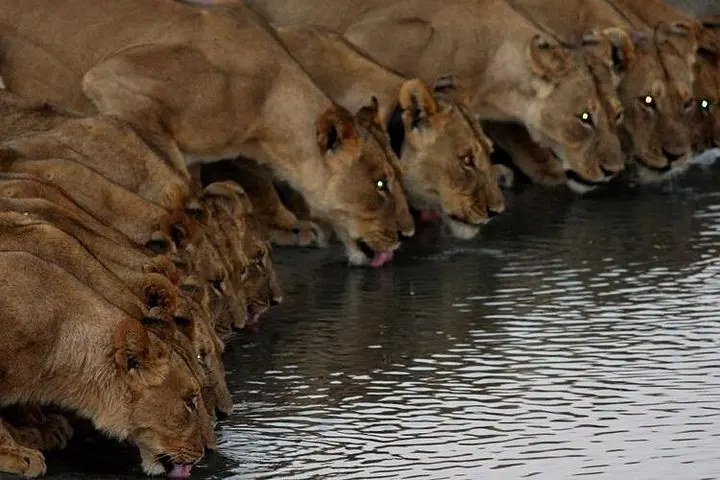
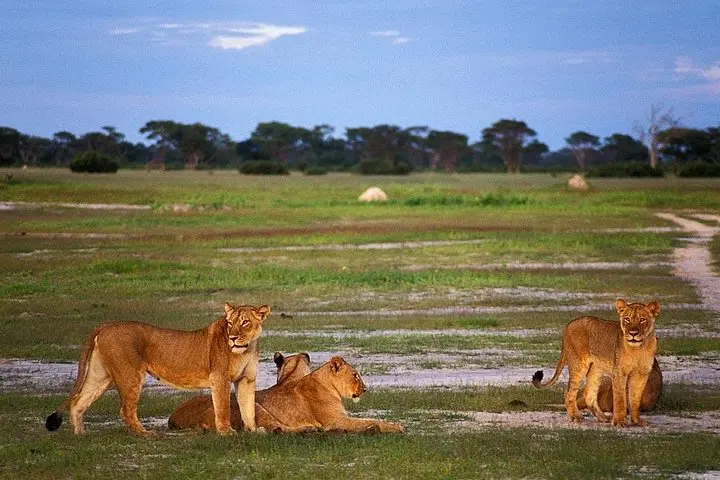
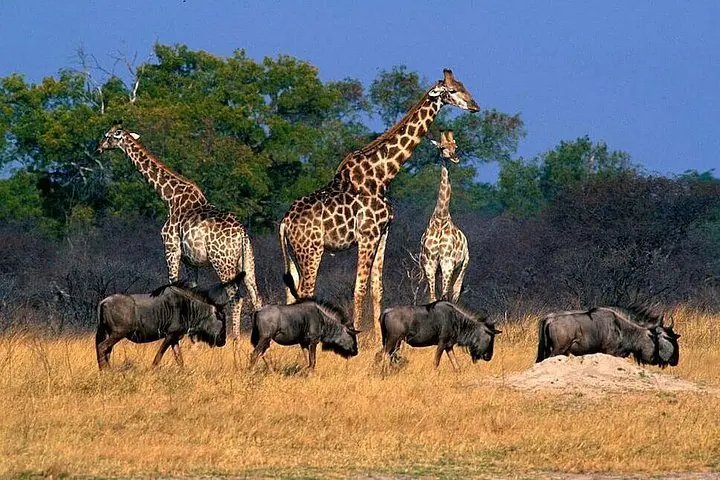
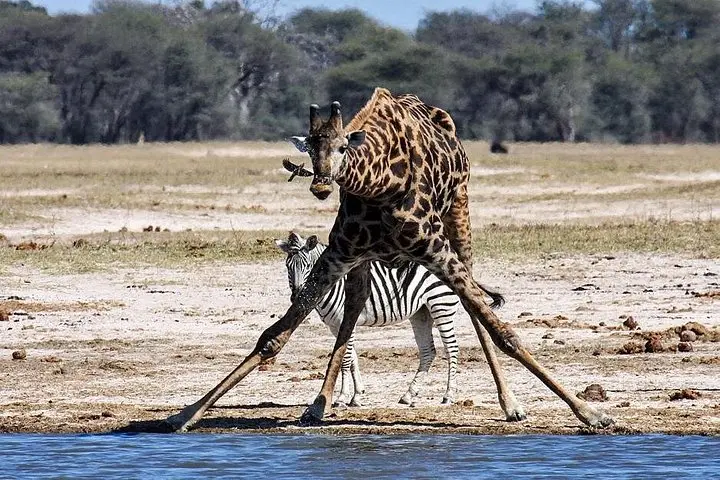
Common sightings include elephants, buffalo, zebra, giraffe, kudu and often lions; concentrations occur around permanent waterholes, especially in the dry season.
The tour is stroller and wheelchair accessible in parts, but involves long vehicle drives and sometimes uneven surfaces; discuss needs at booking and expect that infants must sit on laps.
The tour description indicates lunch is provided and admission is included in the itinerary; confirm with the operator at booking for any extra park levies.
Zambezi Expedition operates guided outdoor trips and adventures with an emphasis on safety, stewardship, and memorable experiences.
Dawn breaks over the Zambezi as the vehicle pulls out of Victoria Falls, headlights cutting through cooling air on a two-hour run toward Hwange National Park.
Dawn breaks over the Zambezi as the vehicle pulls out of Victoria Falls, headlights cutting through cooling air on a two-hour run toward Hwange National Park.
By the time the sun clears the mopane trees the safari begins in earnest: low-slung silhouettes of kudu and zebra slip across the track, while distant dust marks the slow, steady approach of elephants toward permanent pans. Hwange’s landscape—ancient Kalahari sands draped in mopane and miombo—frames wildlife the way a stage frames players.
Hwange was set aside in the early 20th century and now protects one of Africa’s largest elephant populations; geology here is largely sandy terraces and seasonal pans that dictate where animals concentrate, especially in the lean season. Local communities have long ties to the land through cattle grazing and small-scale agriculture; conservation efforts increasingly balance those needs with anti-poaching and water-management projects.
Practical details matter: expect a long day (10–13 hours), two drives (morning and afternoon) and a picnic-style lunch inside the park. Game viewing focuses on waterhole action—bring a telephoto, binoculars and patience. Wear breathable layers for chilly morning starts and hot midday sun; a dry-season visit (May–Oct) gives the best animal visibility when herds condense around water. Guides steer vehicles to known pans, but sightings are never guaranteed; the rhythm of the day is driven by animal movement, not a rigid schedule.
For travelers based in Victoria Falls, this is a straightforward way to trade a town’s bustle for wide horizons and close encounters with iconic African species, returning at dusk with a clearer sense of Hwange’s scale and the practicalities of protected-area wildlife viewing.