THE ADVENTURE COLLECTIVE® · Independent discovery and booking for outdoor travel

Spend a full day crossing borders to see Iguassu/Iguazú from both Brazilian and Argentine viewpoints. This small-group tour combines air-conditioned transfers with boardwalks that bring you face-to-face with Devil’s Throat.
Spend a full day crossing borders to see Iguassu/Iguazú from both Brazilian and Argentine viewpoints. This small-group tour combines air-conditioned transfers with boardwalks that bring you face-to-face with Devil’s Throat.
You step from an air-conditioned minibus into a wall of spray and sound — Iguassu announces itself before you see it. Walkways lead you closer until water hurls itself over basalt steps and the Devil’s Throat thunders below, a living curtain that dares you to stand at the rail and take it in.
Verified experiences and guided adventures in the surrounding area.
Operated by Hakim Allaki · Foz do Iguaçu, Paraná
You step from an air-conditioned minibus into a wall of spray and sound — Iguassu announces itself before you see it. Walkways lead you closer until water hurls itself over basalt steps and the Devil’s Throat thunders below, a living curtain that dares you to stand at the rail and take it in.
The falls sit where the Iguazu River cuts across the Paraná Plateau, spilling through basalt formed by ancient lava flows. Indigenous Guarani people have long stories of the river; European visitors catalogued the spectacle in the 19th century and both national parks were later protected and recognized internationally. Today Brazil’s Foz do Iguaçu and Argentina’s Puerto Iguazú frame a cross-border landscape that mixes rural culture, Jesuit mission history nearby, and ecotourism infrastructure.
On this full-day tour you’ll cover both national parks with a small, multilingual group — mornings on board a climate-controlled minibus, afternoons on boardwalks and observation decks. Expect up-close views at Garganta del Diablo (Devil’s Throat) and the panoramic circuits that showcase spray, rainbows, and rainforest edge habitat. Practicalities matter: bring a waterproof layer and good walking shoes, carry ID for the international border crossing, and plan for slippery surfaces and lots of mist. Guides typically include park admission and handle logistics, but timing matters — mornings are cooler and less congested; late afternoon light is better for photos.
Moderate fitness and mobility are useful: several viewpoints are accessible, but some routes use stairs. Hydrate, protect electronics from spray, respect wildlife (don’t feed the coatis), and leave time to breathe in the scale — the falls move you forward, and the trail guides the pace.
Yes — crossing the border between Brazil and Argentina requires a valid passport (or appropriate ID depending on nationality). Bring any visa documents you may need.
Typically this small-group tour includes park admissions and air-conditioned transfers between hotels and park entrances; confirm at booking.
Many main viewpoints and some boardwalks are wheelchair accessible, but certain sections like parts of the Devil’s Throat viewpoint have stairs; check with the operator for detailed accessibility options.
Yes — close viewpoints and lower circuits produce heavy mist; waterproof jackets and protective cases for electronics are recommended.
Hakim Allaki operates guided outdoor trips and adventures with an emphasis on safety, stewardship, and memorable experiences.
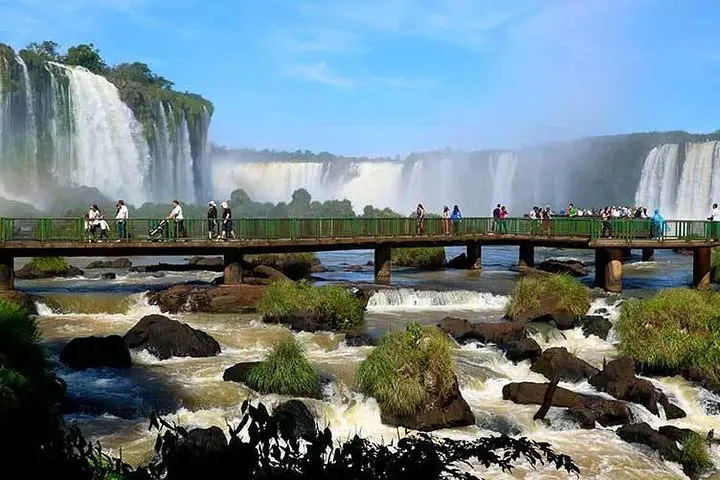
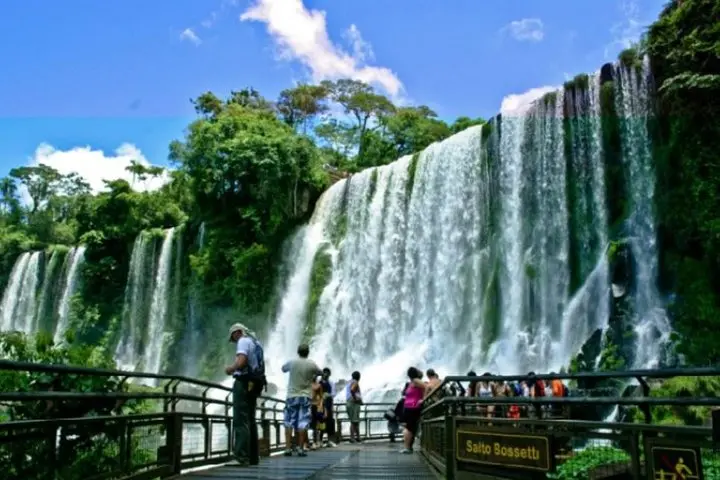
You step from an air-conditioned minibus into a wall of spray and sound — Iguassu announces itself before you see it. Walkways lead you closer until water hurls itself over basalt steps and the Devil’s Throat thunders below, a living curtain that dares you to stand at the rail and take it in.
You step from an air-conditioned minibus into a wall of spray and sound — Iguassu announces itself before you see it. Walkways lead you closer until water hurls itself over basalt steps and the Devil’s Throat thunders below, a living curtain that dares you to stand at the rail and take it in.
The falls sit where the Iguazu River cuts across the Paraná Plateau, spilling through basalt formed by ancient lava flows. Indigenous Guarani people have long stories of the river; European visitors catalogued the spectacle in the 19th century and both national parks were later protected and recognized internationally. Today Brazil’s Foz do Iguaçu and Argentina’s Puerto Iguazú frame a cross-border landscape that mixes rural culture, Jesuit mission history nearby, and ecotourism infrastructure.
On this full-day tour you’ll cover both national parks with a small, multilingual group — mornings on board a climate-controlled minibus, afternoons on boardwalks and observation decks. Expect up-close views at Garganta del Diablo (Devil’s Throat) and the panoramic circuits that showcase spray, rainbows, and rainforest edge habitat. Practicalities matter: bring a waterproof layer and good walking shoes, carry ID for the international border crossing, and plan for slippery surfaces and lots of mist. Guides typically include park admission and handle logistics, but timing matters — mornings are cooler and less congested; late afternoon light is better for photos.
Moderate fitness and mobility are useful: several viewpoints are accessible, but some routes use stairs. Hydrate, protect electronics from spray, respect wildlife (don’t feed the coatis), and leave time to breathe in the scale — the falls move you forward, and the trail guides the pace.