THE ADVENTURE COLLECTIVE® · Independent discovery and booking for outdoor travel

See both the Brazilian and Argentine viewpoints of Iguazu Falls in a single long day with a private guide and transport. This full-day experience combines dramatic panoramas, close-up boardwalks, and practical logistics handled for you.
See both the Brazilian and Argentine viewpoints of Iguazu Falls in a single long day with a private guide and transport. This full-day experience combines dramatic panoramas, close-up boardwalks, and practical logistics handled for you.
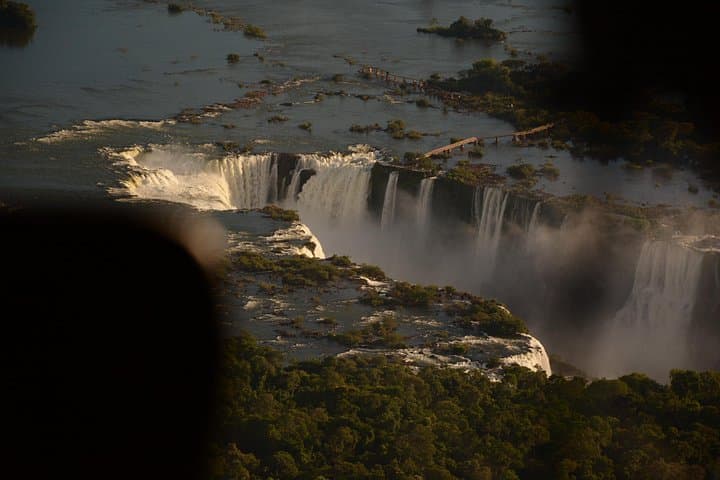
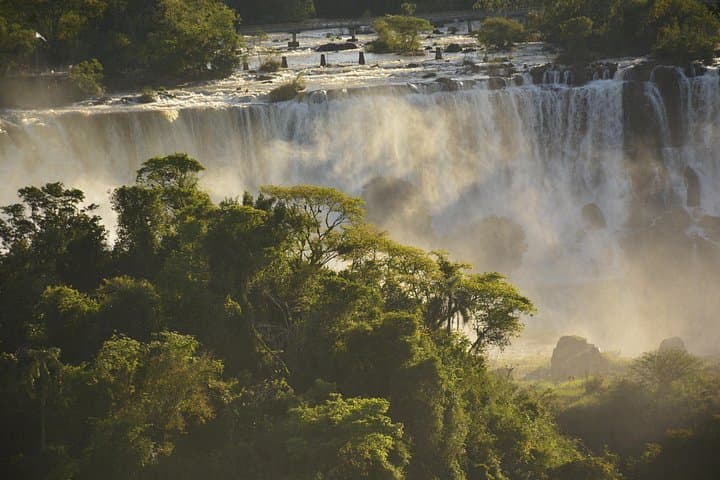
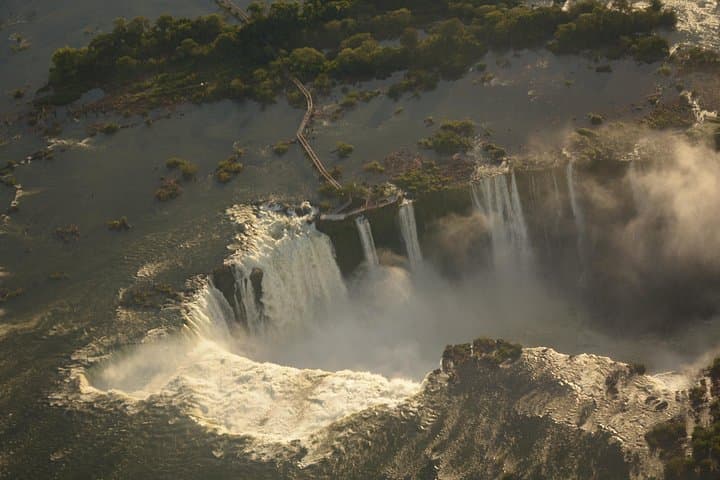
You step from the air-conditioned vehicle into a wall of spray and roar — the Iguazu River daring you closer as the falls push skyward in white columns. A private guide from Foz do Iguaçu folds logistics into the background: timing, tickets, and the short border hop become parts of the narrative rather than headaches.
Verified experiences and guided adventures in the surrounding area.
Operated by Passeio Tur · Foz do Iguaçu, Paraná
You step from the air-conditioned vehicle into a wall of spray and roar — the Iguazu River daring you closer as the falls push skyward in white columns. A private guide from Foz do Iguaçu folds logistics into the background: timing, tickets, and the short border hop become parts of the narrative rather than headaches.
Geology here is blunt and recent in human terms: basalt flows split by tectonic shifts created the jagged lip over which the river charges, carving dozens of cataracts across the plateau. The falls sit where cultures meet — Guarani heritage threads the forest and modern tourism infrastructure channels visitors from Brazil and Argentina. Both sides were recognized as UNESCO World Heritage sites in the 1980s, protecting rainforest and rare species.
Expect a long, active day — 6–8 hours — mixing smooth boardwalks, short stair sections and panoramic viewing platforms. On the Brazilian side you get sweeping, cinematic panoramas; on the Argentine side the paths wind you into the mist, closer to the thunder. Wildlife is bold at dawn and dusk: coatis snuffle for scraps, toucans flash from canopy to canopy.
Practical guide: bring passport for the border crossing, waterproof layers and a quick-dry change, and comfortable walking shoes with grip — many viewpoints are wet. Start early for cooler light and quieter trails; mid-afternoon often brings heavier crowds and higher humidity. Hydrate frequently; kiosks and restrooms exist at main visitor centers but carry small cash for snacks. With a private guide and vehicle, you trade itinerary hassles for flexibility — use it to linger at a favorite viewpoint or duck into Parque das Aves after the falls.
Yes — crossing into Argentina from Brazil requires a valid passport or allowable national ID depending on your nationality; check visa requirements before travel.
Expect several kilometers of easy-to-moderate walking on boardwalks and short stairs across viewpoints; the day totals are moderate but continuous over 6–8 hours.
Main visitor centers on both sides have restrooms and snack kiosks or cafeterias, though offerings are limited; cash or card availability varies.
Many paths and transport options are stroller- and wheelchair-accessible on the Brazilian side; ask the operator about specific pickup and accessibility needs in advance.
Passeio Tur operates guided outdoor trips and adventures with an emphasis on safety, stewardship, and memorable experiences.
You step from the air-conditioned vehicle into a wall of spray and roar — the Iguazu River daring you closer as the falls push skyward in white columns. A private guide from Foz do Iguaçu folds logistics into the background: timing, tickets, and the short border hop become parts of the narrative rather than headaches.
You step from the air-conditioned vehicle into a wall of spray and roar — the Iguazu River daring you closer as the falls push skyward in white columns. A private guide from Foz do Iguaçu folds logistics into the background: timing, tickets, and the short border hop become parts of the narrative rather than headaches.
Geology here is blunt and recent in human terms: basalt flows split by tectonic shifts created the jagged lip over which the river charges, carving dozens of cataracts across the plateau. The falls sit where cultures meet — Guarani heritage threads the forest and modern tourism infrastructure channels visitors from Brazil and Argentina. Both sides were recognized as UNESCO World Heritage sites in the 1980s, protecting rainforest and rare species.
Expect a long, active day — 6–8 hours — mixing smooth boardwalks, short stair sections and panoramic viewing platforms. On the Brazilian side you get sweeping, cinematic panoramas; on the Argentine side the paths wind you into the mist, closer to the thunder. Wildlife is bold at dawn and dusk: coatis snuffle for scraps, toucans flash from canopy to canopy.
Practical guide: bring passport for the border crossing, waterproof layers and a quick-dry change, and comfortable walking shoes with grip — many viewpoints are wet. Start early for cooler light and quieter trails; mid-afternoon often brings heavier crowds and higher humidity. Hydrate frequently; kiosks and restrooms exist at main visitor centers but carry small cash for snacks. With a private guide and vehicle, you trade itinerary hassles for flexibility — use it to linger at a favorite viewpoint or duck into Parque das Aves after the falls.