THE ADVENTURE COLLECTIVE® · Independent discovery and booking for outdoor travel

Spend a full day off Cartagena exploring Isla Barú’s white-sand beaches, mangrove channels and shallow reefs, then watch the sea come alive with bioluminescent plankton after dark. This accessible, guide-led trip combines snorkeling, nature interpretation and beach-club comforts.
Spend a full day off Cartagena exploring Isla Barú’s white-sand beaches, mangrove channels and shallow reefs, then watch the sea come alive with bioluminescent plankton after dark. This accessible, guide-led trip combines snorkeling, nature interpretation and beach-club comforts.
You step off the boat and the Caribbean opens like a bright room — white sand underfoot, turquoise water stretching to the horizon, and the hum of island life at the edges. The day moves in clear stages: sunlit snorkeling in shallow reef gardens, a slow native-boat ride through tangled mangroves, and a nighttime rendezvous with plankton that flare like scattered embers when the sea is disturbed.
Verified experiences and guided adventures in the surrounding area.
Operated by Nexxt Tours · Cartagena, Bolívar
You step off the boat and the Caribbean opens like a bright room — white sand underfoot, turquoise water stretching to the horizon, and the hum of island life at the edges. The day moves in clear stages: sunlit snorkeling in shallow reef gardens, a slow native-boat ride through tangled mangroves, and a nighttime rendezvous with plankton that flare like scattered embers when the sea is disturbed.
Barú’s landscape is recent in geological terms: sediment deposited by the Canal del Dique and coastal currents created the peninsula a century ago and shaped the coral flats that now support fish and mangroves. Culturally, the island is linked to Cartagena’s port history and islander communities whose livelihoods mix fishing, tourism and stewardship of fragile coastal habitats.
Expect easy, low-impact activity: short beach walks, shallow-water snorkeling over seagrass and patchy reef, and an after-dark boat trip to observe bioluminescence. Guides explain mangrove ecology—how the roots slow tides and trap nutrients—and point out the small, colorful reef fish you’ll likely see.
Practical notes: bring reef-safe sunscreen and a dry bag, arrive with a light jacket for the evening boat, and prepare for a long full-day schedule with hotel pickup early morning. Snorkel equipment and beach-club facilities are provided; lunch is via a voucher. Night visibility for plankton depends on moon phase and calm seas, so darker nights improve the show. This is a hands-on, accessible Caribbean day that mixes wildlife, coastal systems, and a rare nocturnal natural phenomenon.
Yes—shared air-conditioned transport picks up participants in Cartagena between early morning times; exact pickup windows are provided upon booking.
Yes—basic snorkel equipment (goggles) and access to Mambo Beach Club amenities (chairs, lockers, bathrooms) are included.
Sightings depend on moon phase, weather and water conditions; guides choose the best night-time spots, but visibility cannot be absolutely guaranteed.
The tour is listed as easy but involves boat boarding and uneven sand; infants must sit on laps and travelers with serious mobility or heart issues should consult the operator.
Nexxt Tours operates guided outdoor trips and adventures with an emphasis on safety, stewardship, and memorable experiences.
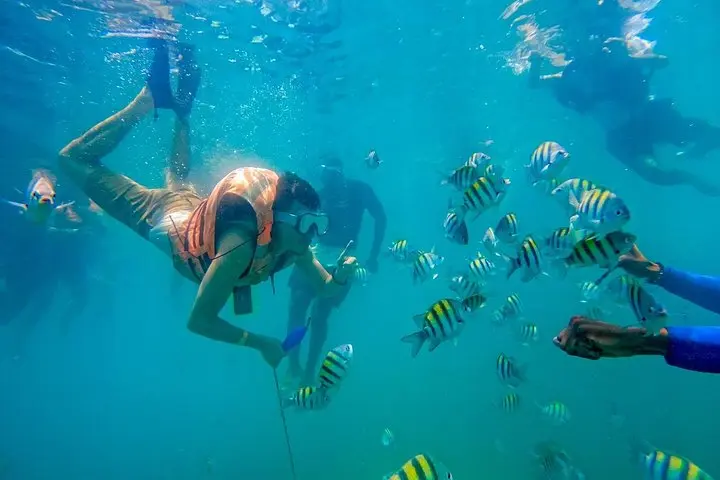
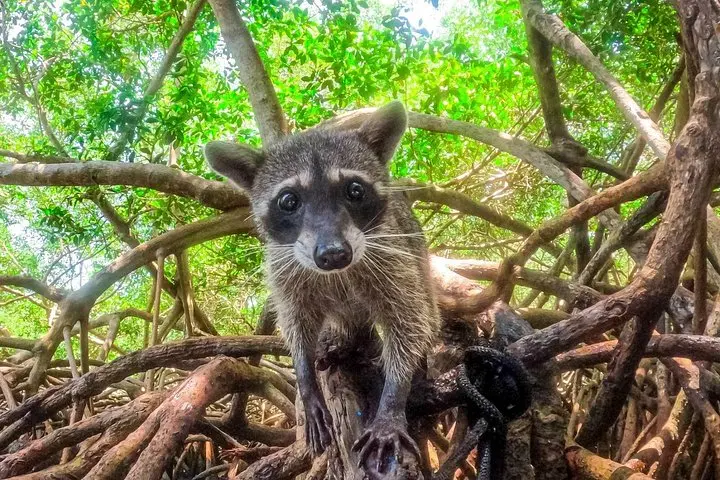
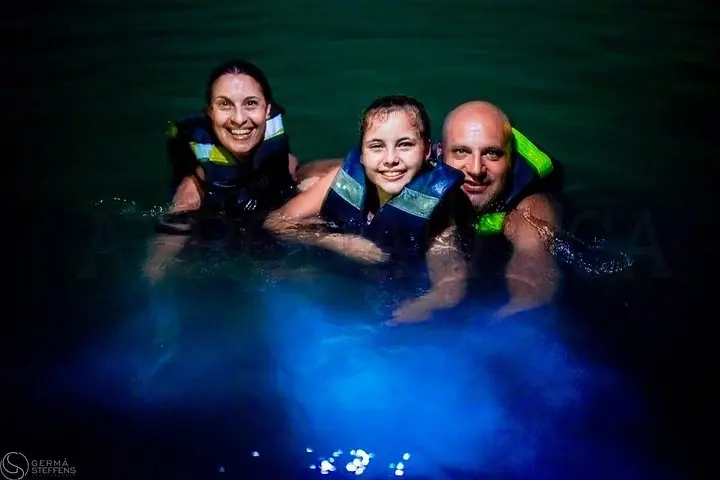
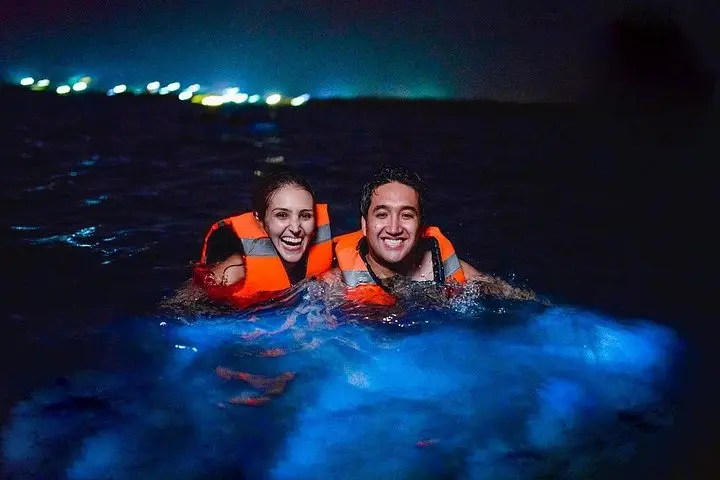
You step off the boat and the Caribbean opens like a bright room — white sand underfoot, turquoise water stretching to the horizon, and the hum of island life at the edges. The day moves in clear stages: sunlit snorkeling in shallow reef gardens, a slow native-boat ride through tangled mangroves, and a nighttime rendezvous with plankton that flare like scattered embers when the sea is disturbed.
You step off the boat and the Caribbean opens like a bright room — white sand underfoot, turquoise water stretching to the horizon, and the hum of island life at the edges. The day moves in clear stages: sunlit snorkeling in shallow reef gardens, a slow native-boat ride through tangled mangroves, and a nighttime rendezvous with plankton that flare like scattered embers when the sea is disturbed.
Barú’s landscape is recent in geological terms: sediment deposited by the Canal del Dique and coastal currents created the peninsula a century ago and shaped the coral flats that now support fish and mangroves. Culturally, the island is linked to Cartagena’s port history and islander communities whose livelihoods mix fishing, tourism and stewardship of fragile coastal habitats.
Expect easy, low-impact activity: short beach walks, shallow-water snorkeling over seagrass and patchy reef, and an after-dark boat trip to observe bioluminescence. Guides explain mangrove ecology—how the roots slow tides and trap nutrients—and point out the small, colorful reef fish you’ll likely see.
Practical notes: bring reef-safe sunscreen and a dry bag, arrive with a light jacket for the evening boat, and prepare for a long full-day schedule with hotel pickup early morning. Snorkel equipment and beach-club facilities are provided; lunch is via a voucher. Night visibility for plankton depends on moon phase and calm seas, so darker nights improve the show. This is a hands-on, accessible Caribbean day that mixes wildlife, coastal systems, and a rare nocturnal natural phenomenon.