THE ADVENTURE COLLECTIVE® · Independent discovery and booking for outdoor travel

See Jordan’s cultural high points in one long, efficient day: Byzantine mosaics in Madaba, the panoramic ridge at Mount Nebo, a float in the mineral-rich Dead Sea, and a brisk tour of Amman’s highlights. Ideal for travelers who want maximum value from a single outing.
See Jordan’s cultural high points in one long, efficient day: Byzantine mosaics in Madaba, the panoramic ridge at Mount Nebo, a float in the mineral-rich Dead Sea, and a brisk tour of Amman’s highlights. Ideal for travelers who want maximum value from a single outing.
You step out of the air-conditioned vehicle into a landscape that shifts from dusty olive groves to blue-black salt flats in the space of an hour. Morning light spills across the tessellated streets of Madaba as mosaics—small, patient tiles—chart ancient routes and scriptural scenes beneath your feet. By midday Mount Nebo rises like a lookout post; the ridge holds stories older than borders, and the wind seems to insist you turn and look over the Jordan Valley.
Verified experiences and guided adventures in the surrounding area.
Operated by R&H VIP Transportation Services · Amman, Amman Governorate
You step out of the air-conditioned vehicle into a landscape that shifts from dusty olive groves to blue-black salt flats in the space of an hour. Morning light spills across the tessellated streets of Madaba as mosaics—small, patient tiles—chart ancient routes and scriptural scenes beneath your feet. By midday Mount Nebo rises like a lookout post; the ridge holds stories older than borders, and the wind seems to insist you turn and look over the Jordan Valley.
This loop stitches together Byzantine mosaics, early Christian pilgrimage sites and the geological oddity of the Dead Sea. Madaba’s 6th-century mosaic map is the most detailed early cartographic view of the Holy Land, while Mount Nebo’s memorial church preserves fifth-century mosaic fragments and panoramic viewpoints that once guided pilgrims. The Dead Sea itself is the product of a closed basin and relentless evaporation; minerals crowd the water until it refuses to let you sink and the shoreline becomes a mineral spa.
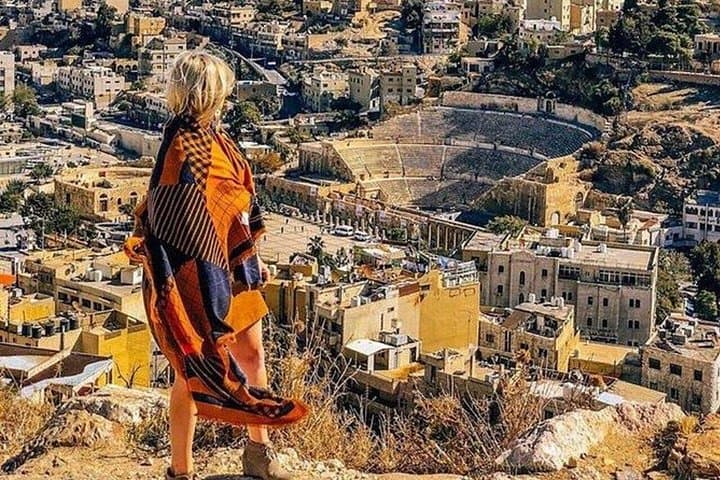
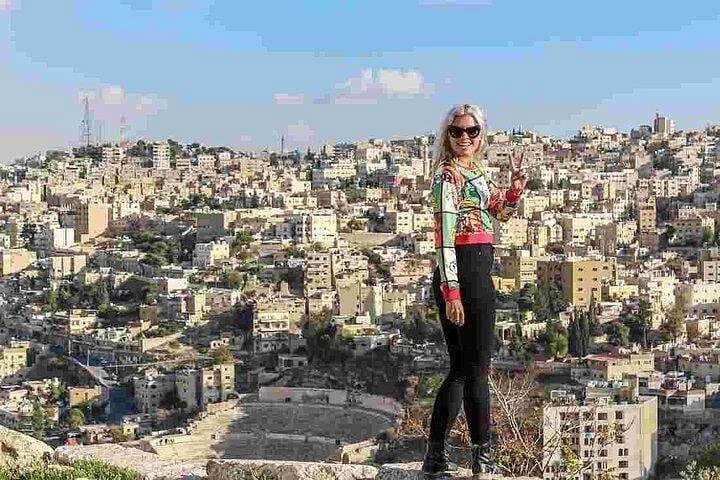
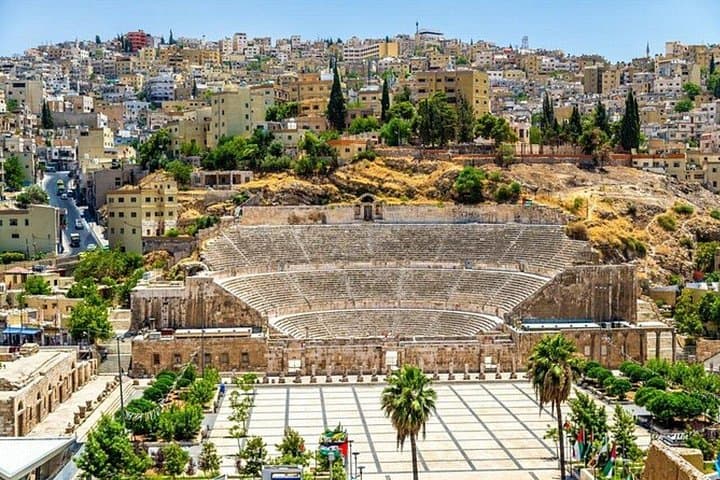
Culturally, the route moves from small-town artisans in Madaba to Amman’s layered urban life—Roman theaters and coffeehouses rubbing shoulders. Local guides often point out Bedouin influences in food, and the landscape’s role in biblical narratives.
Practical guidance: this is a long day—expect 7–10 hours. Wear sturdy walking shoes, sun protection and bring a change of clothes if you plan to float. Respect local dress norms in towns and religious sites. If you have mobility needs, note the tour is advertised as wheelchair accessible, but some historic sites have uneven surfaces. Bring cash for small purchases and confirmations for any admissions not included in your package.
Some booking options include all admissions and lunch; check your selected fare—if not included, you can pay on site for access to facilities.
Yes—buoyancy is high due to salinity, but avoid getting water in your eyes or open cuts, move slowly and rinse with fresh water afterward.
The tour lists wheelchair accessibility and vehicle door-to-door service, but some historical sites have uneven ground; notify the operator when booking to confirm accommodations.
A licensed English-speaking driver is provided; ask about additional language support when booking if needed.
R&H VIP Transportation Services operates guided outdoor trips and adventures with an emphasis on safety, stewardship, and memorable experiences.

You step out of the air-conditioned vehicle into a landscape that shifts from dusty olive groves to blue-black salt flats in the space of an hour. Morning light spills across the tessellated streets of Madaba as mosaics—small, patient tiles—chart ancient routes and scriptural scenes beneath your feet. By midday Mount Nebo rises like a lookout post; the ridge holds stories older than borders, and the wind seems to insist you turn and look over the Jordan Valley.
You step out of the air-conditioned vehicle into a landscape that shifts from dusty olive groves to blue-black salt flats in the space of an hour. Morning light spills across the tessellated streets of Madaba as mosaics—small, patient tiles—chart ancient routes and scriptural scenes beneath your feet. By midday Mount Nebo rises like a lookout post; the ridge holds stories older than borders, and the wind seems to insist you turn and look over the Jordan Valley.
This loop stitches together Byzantine mosaics, early Christian pilgrimage sites and the geological oddity of the Dead Sea. Madaba’s 6th-century mosaic map is the most detailed early cartographic view of the Holy Land, while Mount Nebo’s memorial church preserves fifth-century mosaic fragments and panoramic viewpoints that once guided pilgrims. The Dead Sea itself is the product of a closed basin and relentless evaporation; minerals crowd the water until it refuses to let you sink and the shoreline becomes a mineral spa.
Culturally, the route moves from small-town artisans in Madaba to Amman’s layered urban life—Roman theaters and coffeehouses rubbing shoulders. Local guides often point out Bedouin influences in food, and the landscape’s role in biblical narratives.
Practical guidance: this is a long day—expect 7–10 hours. Wear sturdy walking shoes, sun protection and bring a change of clothes if you plan to float. Respect local dress norms in towns and religious sites. If you have mobility needs, note the tour is advertised as wheelchair accessible, but some historic sites have uneven surfaces. Bring cash for small purchases and confirmations for any admissions not included in your package.