THE ADVENTURE COLLECTIVE® · Independent discovery and booking for outdoor travel

An eight- to ten-hour guided jungle ascent on volcanic Nosy Komba that finishes at the Black Lemur Sanctuary. Expect steep, sweaty climbs, close wildlife encounters, village visits and a summit view over the archipelago.
An eight- to ten-hour guided jungle ascent on volcanic Nosy Komba that finishes at the Black Lemur Sanctuary. Expect steep, sweaty climbs, close wildlife encounters, village visits and a summit view over the archipelago.
A small motorboat cuts through turquoise water and deposits you on a narrow black-sand spit; the jungle on Nosy Komba rises like a wall, humid and green. The trail immediately climbs—roots and volcanic rock underfoot—then tightens into a living corridor where chameleons freeze on branches and the calls of lemurs thread the canopy.
Verified experiences and guided adventures in the surrounding area.
Operated by Fossa Travel · Nosy Komba, Diana Region
A small motorboat cuts through turquoise water and deposits you on a narrow black-sand spit; the jungle on Nosy Komba rises like a wall, humid and green. The trail immediately climbs—roots and volcanic rock underfoot—then tightens into a living corridor where chameleons freeze on branches and the calls of lemurs thread the canopy.
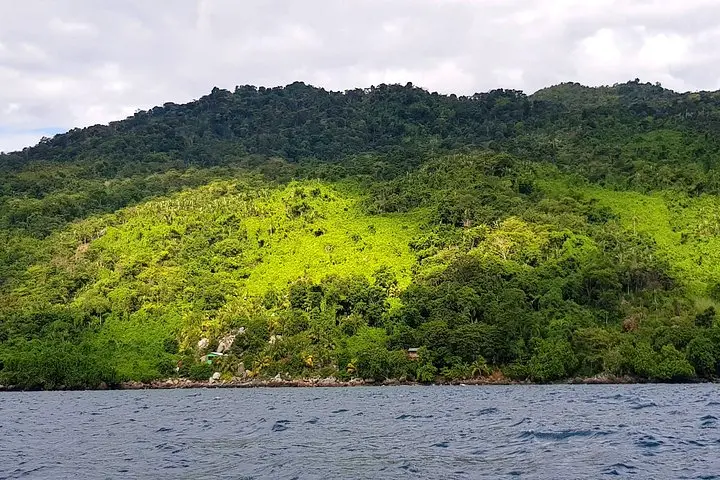
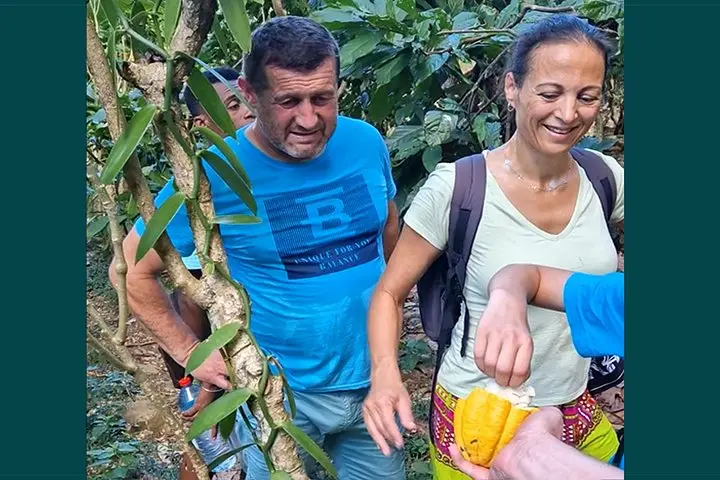
Geologically the island is volcanic and compact: walks move from coastal scrub to steep, forested slopes that culminate at 622 meters. The human story here is coastal Malagasy life—traditional villages such as Anjiabe and Ampangorina still practice small-scale agriculture and woodworking; you’ll see vanilla vines, cocoa pods and pepper bushes along the route. The Black Lemur Sanctuary protects one of northern Madagascar’s most charismatic species, and guides emphasize gentle interaction rather than disturbance.
Expect a hard, 8–10 hour day with sustained uphill sections, slippery roots in places, and a sweaty descent. The summit clearing rewards the effort with archipelago views; the descent brings increasing wildlife encounters, where habituated lemurs may accept a banana but won’t be coerced. Practical notes: bring at least 2–3 liters of water, high-traction boots, sun and insect protection, and small local currency for village purchases. This is not a paved nature trail—stamina, steady footing, and respect for local customs and wildlife are essential. Guides provide lunch, snacks and occasional refreshments; itineraries typically include a stop at the Black Lemur Sanctuary and time to buy local crafts before the boat back to Nosy Be.
Participants should have moderate to high fitness with experience on uneven terrain; the route includes sustained uphill sections and can be slippery.
Lemurs on Nosy Komba are habituated and may accept fruit, but guides manage interactions—follow their instructions and don’t force contact.
Guides typically provide lunch, snacks and some refreshments, but you should carry personal water and any specialty snacks you prefer.
This trek is not recommended for pregnant travelers, people with serious heart or spinal issues, or very young children due to the sustained effort and terrain.
Fossa Travel operates guided outdoor trips and adventures with an emphasis on safety, stewardship, and memorable experiences.
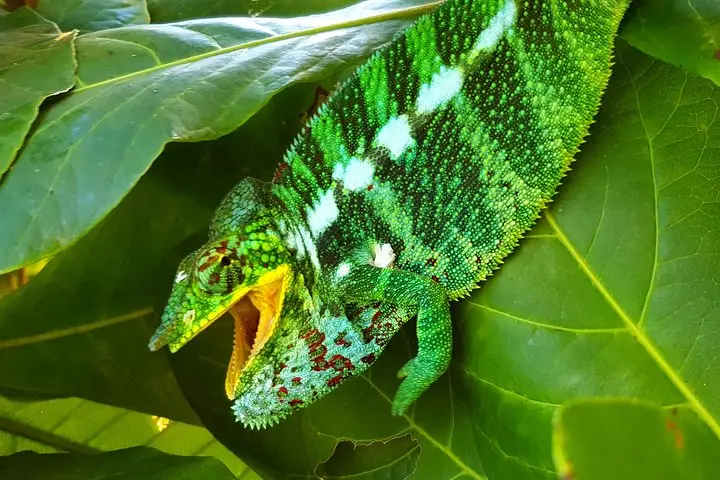
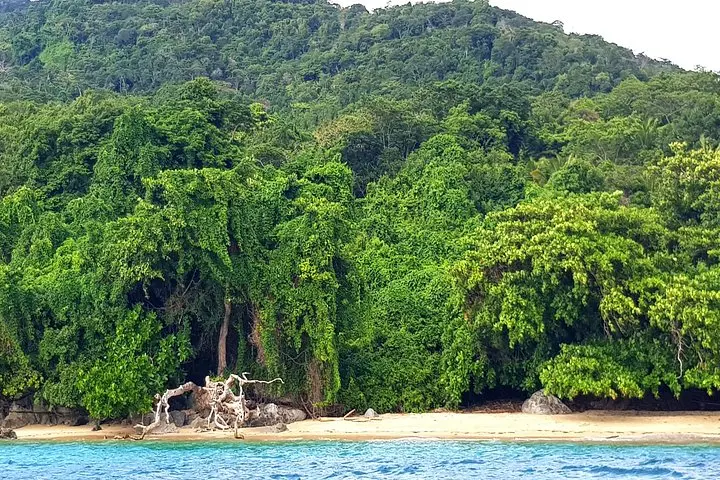
A small motorboat cuts through turquoise water and deposits you on a narrow black-sand spit; the jungle on Nosy Komba rises like a wall, humid and green. The trail immediately climbs—roots and volcanic rock underfoot—then tightens into a living corridor where chameleons freeze on branches and the calls of lemurs thread the canopy.
A small motorboat cuts through turquoise water and deposits you on a narrow black-sand spit; the jungle on Nosy Komba rises like a wall, humid and green. The trail immediately climbs—roots and volcanic rock underfoot—then tightens into a living corridor where chameleons freeze on branches and the calls of lemurs thread the canopy.
Geologically the island is volcanic and compact: walks move from coastal scrub to steep, forested slopes that culminate at 622 meters. The human story here is coastal Malagasy life—traditional villages such as Anjiabe and Ampangorina still practice small-scale agriculture and woodworking; you’ll see vanilla vines, cocoa pods and pepper bushes along the route. The Black Lemur Sanctuary protects one of northern Madagascar’s most charismatic species, and guides emphasize gentle interaction rather than disturbance.
Expect a hard, 8–10 hour day with sustained uphill sections, slippery roots in places, and a sweaty descent. The summit clearing rewards the effort with archipelago views; the descent brings increasing wildlife encounters, where habituated lemurs may accept a banana but won’t be coerced. Practical notes: bring at least 2–3 liters of water, high-traction boots, sun and insect protection, and small local currency for village purchases. This is not a paved nature trail—stamina, steady footing, and respect for local customs and wildlife are essential. Guides provide lunch, snacks and occasional refreshments; itineraries typically include a stop at the Black Lemur Sanctuary and time to buy local crafts before the boat back to Nosy Be.