THE ADVENTURE COLLECTIVE® · Independent discovery and booking for outdoor travel

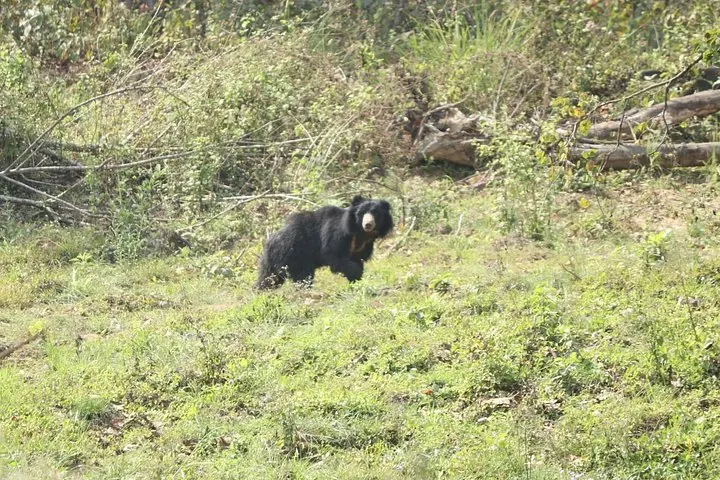
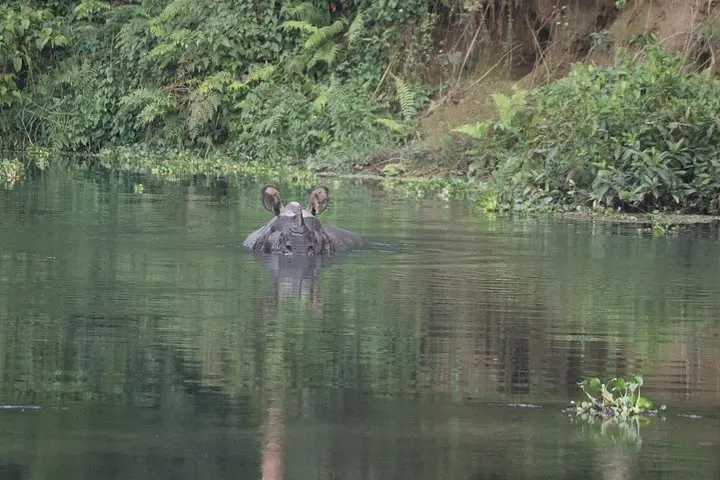
Spend a full day walking deep into Chitwan National Park with local nature guides, tracking rhinos, wild boar and the rarer sloth bear. This guided trek combines river edge birding, forest trails and a jungle lunch at a carefully chosen wildlife hotspot.
Spend a full day walking deep into Chitwan National Park with local nature guides, tracking rhinos, wild boar and the rarer sloth bear. This guided trek combines river edge birding, forest trails and a jungle lunch at a carefully chosen wildlife hotspot.
You step off the jeep into a corridor of towering sal and elephant grass, the forest folding around you with the immediate, watchful silence of the Terai.
Verified experiences and guided adventures in the surrounding area.
Operated by The Chitwan Tiger Guide Service And Mini Library · Sauraha, Chitwan District
You step off the jeep into a corridor of towering sal and elephant grass, the forest folding around you with the immediate, watchful silence of the Terai.
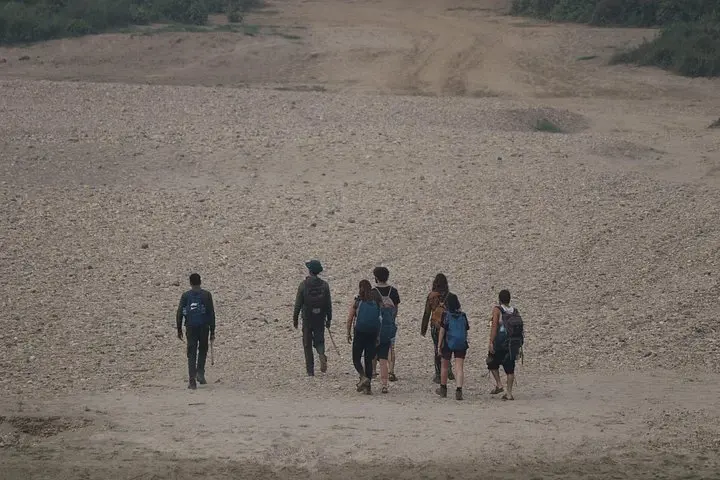
Two local nature guides check gear, give a short safety briefing and point the way: foot trails that thread lakes, stream crossings and open grasslands where a single print in mud could change the day. The forest smells of damp earth and crushed leaves; birds call from the canopy while distant water rushes and silt bars invite patient scanning.
Chitwan National Park, created in 1973 and a UNESCO World Heritage Site since 1984, protects lowland floodplains at the foot of the Siwalik (Churia) hills. The park’s geology is recent alluvium, carved by the Rapti and Narayani rivers; culturally the area remains tied to Tharu communities whose knowledge of local wildlife informs modern guiding.
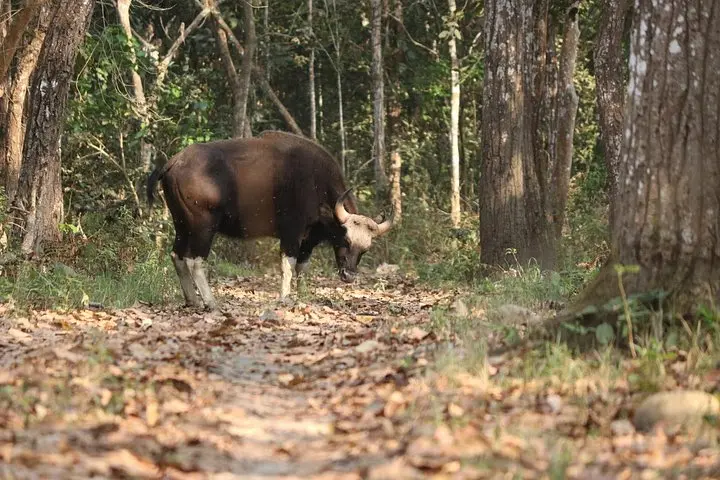
Expect varied terrain—soft-packed tracks, muddy banks and short, steep climbs to observation towers that open to hill and river panoramas. Wildlife encounters focus on one-horned rhinoceros, deer, wild boar, gaur and the occasional sloth bear; tigers are rare but guides push into deeper corridors where sightings are most likely.
Practical notes: this is an all-day walk (8–10 hours) with sustained periods on foot—carry 2–3 liters of water, high-calorie lunch provided, wear long sleeves, good boots and insect protection. Follow guide instructions at all times; maintain distance from wildlife and avoid sudden movements. Start early to maximize cool hours and quiet wildlife activity.
Tigers are present but sightings are rare; guides access deeper corridors to increase odds, but encounters are not guaranteed and should be considered exceptional.
Travelers should have moderate fitness and be able to walk all day; experienced local guides lead the trek and enforce safety protocols but it’s not recommended for those with serious mobility or cardiovascular issues.
A packed lunch box is included and guides will usually arrange potable water refills; still bring your own hydration to ensure you have enough for the full day.
Park entrance permit is included with the tour; carry identification as guides may need to register visitors at checkpoints.
The Chitwan Tiger Guide Service And Mini Library operates guided outdoor trips and adventures with an emphasis on safety, stewardship, and memorable experiences.
You step off the jeep into a corridor of towering sal and elephant grass, the forest folding around you with the immediate, watchful silence of the Terai.
You step off the jeep into a corridor of towering sal and elephant grass, the forest folding around you with the immediate, watchful silence of the Terai.
Two local nature guides check gear, give a short safety briefing and point the way: foot trails that thread lakes, stream crossings and open grasslands where a single print in mud could change the day. The forest smells of damp earth and crushed leaves; birds call from the canopy while distant water rushes and silt bars invite patient scanning.
Chitwan National Park, created in 1973 and a UNESCO World Heritage Site since 1984, protects lowland floodplains at the foot of the Siwalik (Churia) hills. The park’s geology is recent alluvium, carved by the Rapti and Narayani rivers; culturally the area remains tied to Tharu communities whose knowledge of local wildlife informs modern guiding.
Expect varied terrain—soft-packed tracks, muddy banks and short, steep climbs to observation towers that open to hill and river panoramas. Wildlife encounters focus on one-horned rhinoceros, deer, wild boar, gaur and the occasional sloth bear; tigers are rare but guides push into deeper corridors where sightings are most likely.
Practical notes: this is an all-day walk (8–10 hours) with sustained periods on foot—carry 2–3 liters of water, high-calorie lunch provided, wear long sleeves, good boots and insect protection. Follow guide instructions at all times; maintain distance from wildlife and avoid sudden movements. Start early to maximize cool hours and quiet wildlife activity.