THE ADVENTURE COLLECTIVE® · Independent discovery and booking for outdoor travel

Swap Tokyo’s rush for a day of temple steps, a towering bronze Buddha and a bamboo grove that filters sunlight into calm. This private day tour covers Kamakura’s must-sees with short hikes, coastal views and local insights—ideal for first-time visitors who want history, nature and easy walking.
Swap Tokyo’s rush for a day of temple steps, a towering bronze Buddha and a bamboo grove that filters sunlight into calm. This private day tour covers Kamakura’s must-sees with short hikes, coastal views and local insights—ideal for first-time visitors who want history, nature and easy walking.
You step out of the air-conditioned vehicle and the roar of Tokyo softens to gulls and the click of camera shutters. Kamakura’s streets slope toward the sea; cedar-lined lanes push you upward to temple gates, and the ocean waits beyond the last ridge.
Verified experiences and guided adventures in the surrounding area.
Operated by Thetokyotravel.com · Kamakura, Kanagawa Prefecture
You step out of the air-conditioned vehicle and the roar of Tokyo softens to gulls and the click of camera shutters. Kamakura’s streets slope toward the sea; cedar-lined lanes push you upward to temple gates, and the ocean waits beyond the last ridge.
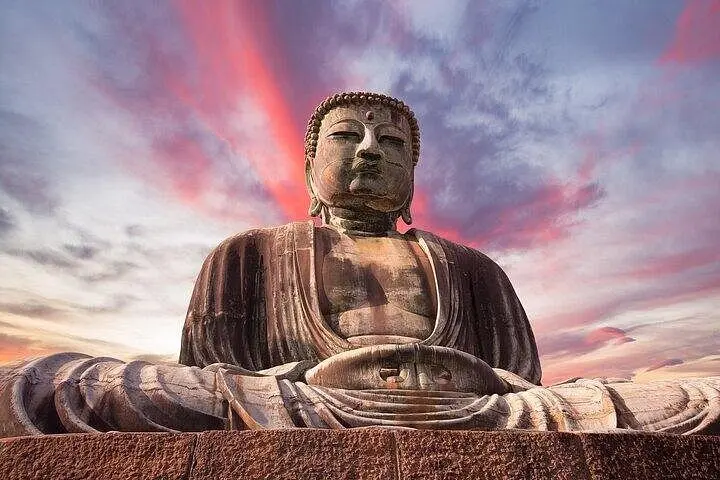
This coastal city was Japan’s political heart after Minamoto no Yoritomo established the Kamakura shogunate in the late 12th century. The Great Buddha at Kōtoku-in, a bronze Amida heads toward the Pacific, years of salt spray giving the statue a quiet, weathered authority. Geologically, Kamakura sits on a pocket of low hills carved from ancient marine sediments and volcanic ash—short climbs, steps and terraces dominate the terrain.
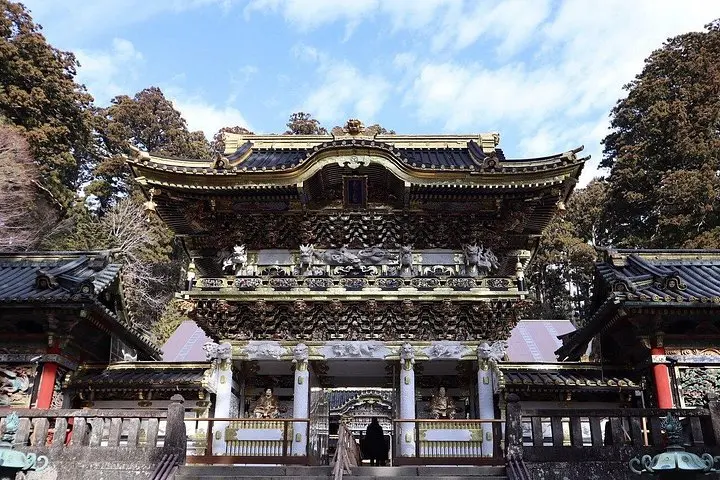
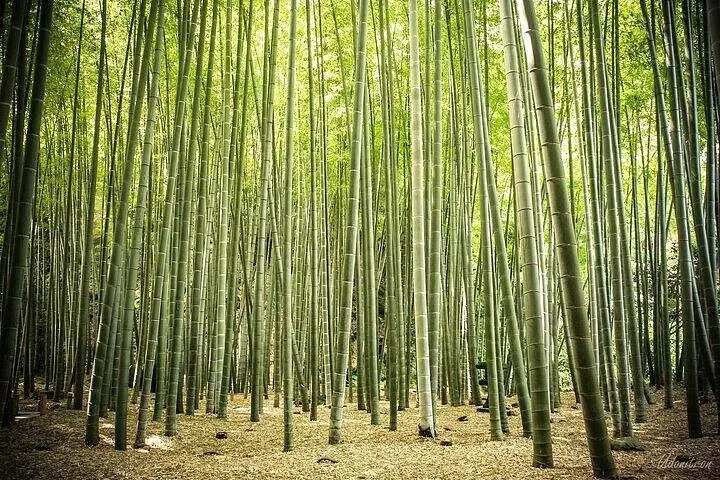
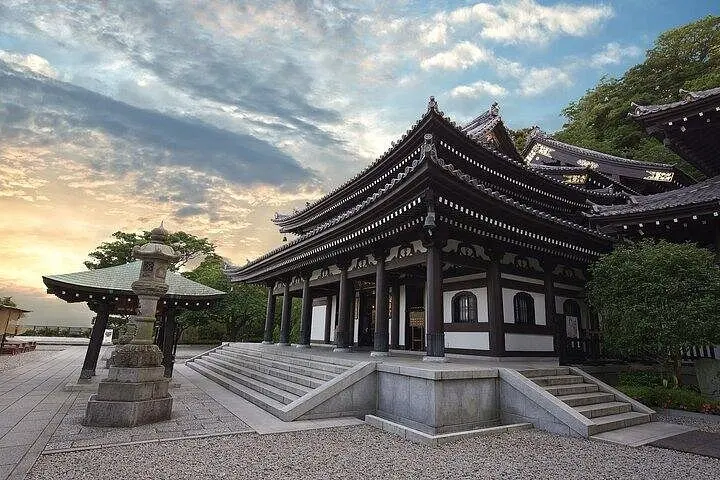
Culturally the area mixes samurai-era shrines like Tsurugaoka Hachimangū with intimate temple gardens and a bamboo grove at Hokokuji where sunlight threads between tall stalks. Hasedera’s flower-filled slopes offer a panoramic view of Sagami Bay and nearby Enoshima.
Practical guidance: this private tour runs about 10 hours including pickup and drop-off from Tokyo; expect multiple short walks, steps and one or two steeper approaches to observation platforms. Wear supportive shoes, bring a compact rain jacket and a charged phone or camera; small admission fees usually aren’t included so carry cash or card. Start early to avoid midday crowds at the Great Buddha and the bamboo grove, and keep water handy—the guide typically provides bottled water but a reusable bottle is useful. Respect temple rules, stay on designated paths and you’ll leave with a clearer sense of Kamakura’s maritime history and quiet mountain-side shrines.
Yes—this private tour includes pickup and drop-off from most Tokyo hotels; confirm your pickup location at booking.
No—most temple and garden entrance fees are not included in the base tour price, so plan to pay on-site.
The tour is family-friendly but many temple grounds have stairs and narrow paths; infants often need to be carried and small strollers may be impractical in some areas.
This listing is for an English-speaking private guide—confirm language preferences when booking.
Thetokyotravel.com operates guided outdoor trips and adventures with an emphasis on safety, stewardship, and memorable experiences.
You step out of the air-conditioned vehicle and the roar of Tokyo softens to gulls and the click of camera shutters. Kamakura’s streets slope toward the sea; cedar-lined lanes push you upward to temple gates, and the ocean waits beyond the last ridge.
You step out of the air-conditioned vehicle and the roar of Tokyo softens to gulls and the click of camera shutters. Kamakura’s streets slope toward the sea; cedar-lined lanes push you upward to temple gates, and the ocean waits beyond the last ridge.
This coastal city was Japan’s political heart after Minamoto no Yoritomo established the Kamakura shogunate in the late 12th century. The Great Buddha at Kōtoku-in, a bronze Amida heads toward the Pacific, years of salt spray giving the statue a quiet, weathered authority. Geologically, Kamakura sits on a pocket of low hills carved from ancient marine sediments and volcanic ash—short climbs, steps and terraces dominate the terrain.
Culturally the area mixes samurai-era shrines like Tsurugaoka Hachimangū with intimate temple gardens and a bamboo grove at Hokokuji where sunlight threads between tall stalks. Hasedera’s flower-filled slopes offer a panoramic view of Sagami Bay and nearby Enoshima.
Practical guidance: this private tour runs about 10 hours including pickup and drop-off from Tokyo; expect multiple short walks, steps and one or two steeper approaches to observation platforms. Wear supportive shoes, bring a compact rain jacket and a charged phone or camera; small admission fees usually aren’t included so carry cash or card. Start early to avoid midday crowds at the Great Buddha and the bamboo grove, and keep water handy—the guide typically provides bottled water but a reusable bottle is useful. Respect temple rules, stay on designated paths and you’ll leave with a clearer sense of Kamakura’s maritime history and quiet mountain-side shrines.