THE ADVENTURE COLLECTIVE® · Independent discovery and booking for outdoor travel

Spend a compact day moving between five UNESCO sites around Kathmandu—Swayambhunath, Boudhanath, Pashupatinath, Patan Durbar and Basantapur Durbar Square—guided through centuries of architecture, ritual and recovery. Ideal for first-time visitors who want a dense cultural overview in a single morning and afternoon.
Spend a compact day moving between five UNESCO sites around Kathmandu—Swayambhunath, Boudhanath, Pashupatinath, Patan Durbar and Basantapur Durbar Square—guided through centuries of architecture, ritual and recovery. Ideal for first-time visitors who want a dense cultural overview in a single morning and afternoon.
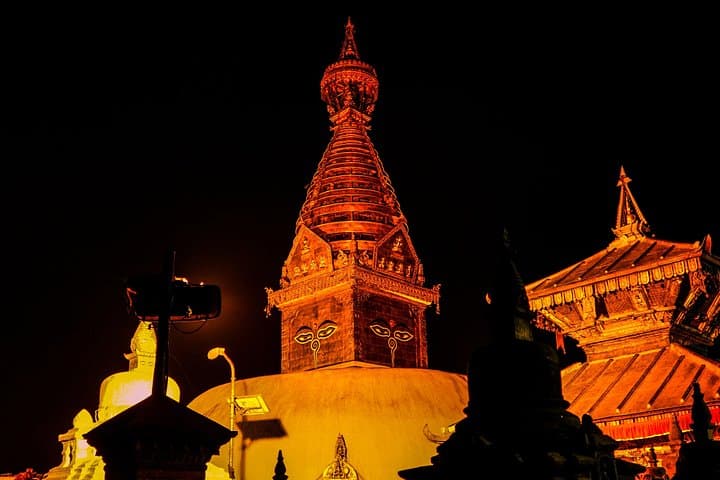
You arrive at dawn into a city carved by centuries of worship, commerce and earthquake repair—the hum of prayer wheels and temple bells mixes with morning traffic as your guide leads you up the stone steps of Swayambhunath.
Verified experiences and guided adventures in the surrounding area.
Operated by Sublime Trails Pvt. Ltd · Kathmandu, Bagmati Province
You arrive at dawn into a city carved by centuries of worship, commerce and earthquake repair—the hum of prayer wheels and temple bells mixes with morning traffic as your guide leads you up the stone steps of Swayambhunath.
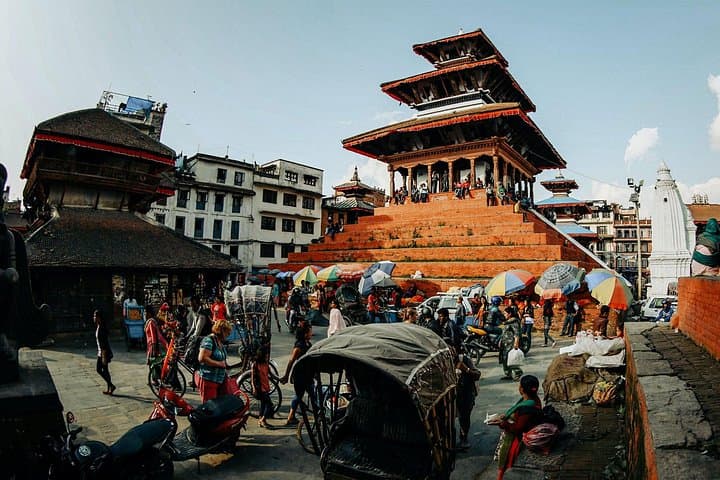
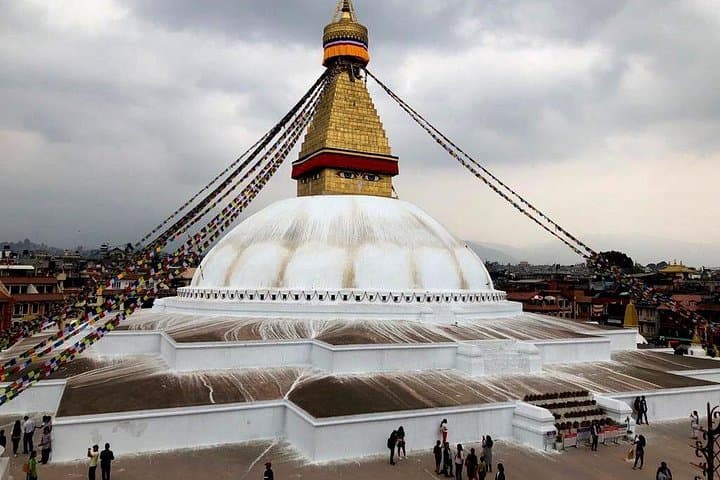
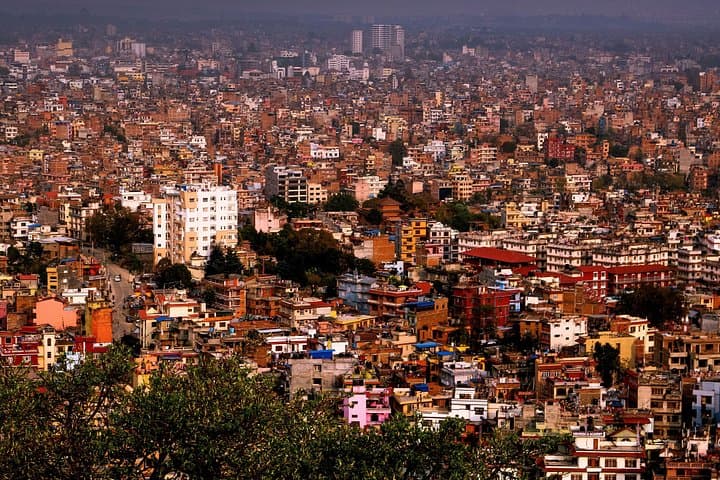
From the hilltop the valley opens: whitewashed stupas, fluttering prayer flags and the faces of the Buddha watching over narrow alleys below. The day moves at a careful pace—Swayambhu’s monkeys and chaityas, the concentrated Newari carvings of Patan Durbar Square, the vast prayer wheel circumference of Boudhanath, the riverside sanctity and cremation ghats of Pashupatinath, and the royal courtyards of Basantapur with the Kumari shrine tucked inside.
This circuit stitches together religious life, Malla-period craftsmanship and the layered history of the Kathmandu Valley, where Hindu and Buddhist traditions overlap and where 2015’s earthquake accelerated a long rebuilding story still visible in scaffolding and restored façades.
Practically: expect multiple short walks, stair climbs and crowded courtyards; modest dress and removed shoes at many sites; cash for small local fees or donations; and a local guide to interpret rituals and direct you to respectful viewpoints. The route is compact—driving between points is short but traffic can stretch the schedule—so start early to make the most of clear light and quieter temples.
This is a cultural day of detail and scale: intimate shrine encounters one moment, sweeping stupa geometry the next—an efficient primer on Kathmandu’s living heritage and the human stories that keep it alive.
Most operators include guide and transport but not local entry fees or donations; bring small cash for admissions at Durbar squares and temple donations.
Yes—physical demands are low, but there are stairs and uneven surfaces; request minimal walking or private transport stops if mobility is limited.
Yes—the itinerary typically includes a lunch break at a local restaurant near Boudhanath or Patan; let the operator know dietary needs in advance.
Photography is allowed at many sites but restricted in inner sanctums (e.g., Kumari’s interior and some Pashupatinath areas); follow signage and your guide’s advice.
Sublime Trails Pvt. Ltd operates guided outdoor trips and adventures with an emphasis on safety, stewardship, and memorable experiences.
You arrive at dawn into a city carved by centuries of worship, commerce and earthquake repair—the hum of prayer wheels and temple bells mixes with morning traffic as your guide leads you up the stone steps of Swayambhunath.
You arrive at dawn into a city carved by centuries of worship, commerce and earthquake repair—the hum of prayer wheels and temple bells mixes with morning traffic as your guide leads you up the stone steps of Swayambhunath.
From the hilltop the valley opens: whitewashed stupas, fluttering prayer flags and the faces of the Buddha watching over narrow alleys below. The day moves at a careful pace—Swayambhu’s monkeys and chaityas, the concentrated Newari carvings of Patan Durbar Square, the vast prayer wheel circumference of Boudhanath, the riverside sanctity and cremation ghats of Pashupatinath, and the royal courtyards of Basantapur with the Kumari shrine tucked inside.
This circuit stitches together religious life, Malla-period craftsmanship and the layered history of the Kathmandu Valley, where Hindu and Buddhist traditions overlap and where 2015’s earthquake accelerated a long rebuilding story still visible in scaffolding and restored façades.
Practically: expect multiple short walks, stair climbs and crowded courtyards; modest dress and removed shoes at many sites; cash for small local fees or donations; and a local guide to interpret rituals and direct you to respectful viewpoints. The route is compact—driving between points is short but traffic can stretch the schedule—so start early to make the most of clear light and quieter temples.
This is a cultural day of detail and scale: intimate shrine encounters one moment, sweeping stupa geometry the next—an efficient primer on Kathmandu’s living heritage and the human stories that keep it alive.