THE ADVENTURE COLLECTIVE® · Independent discovery and booking for outdoor travel

A compact, privately guided day through Kathmandu's spiritual and architectural highlights—Pashupatinath, Boudhanath, Swayambhunath and Durbar Square—designed for travelers who want cultural depth with practical logistics. Expect short walks, stairs, and vivid street-level encounters.
A compact, privately guided day through Kathmandu's spiritual and architectural highlights—Pashupatinath, Boudhanath, Swayambhunath and Durbar Square—designed for travelers who want cultural depth with practical logistics. Expect short walks, stairs, and vivid street-level encounters.
You step out of the car into a sun-warmed valley ringed by green foothills, the clack of prayer wheels and distant temple bells mapping the city's rhythm.
Verified experiences and guided adventures in the surrounding area.
Operated by Peregrine Treks and Tours · Kathmandu, Bagmati Province
You step out of the car into a sun-warmed valley ringed by green foothills, the clack of prayer wheels and distant temple bells mapping the city's rhythm.
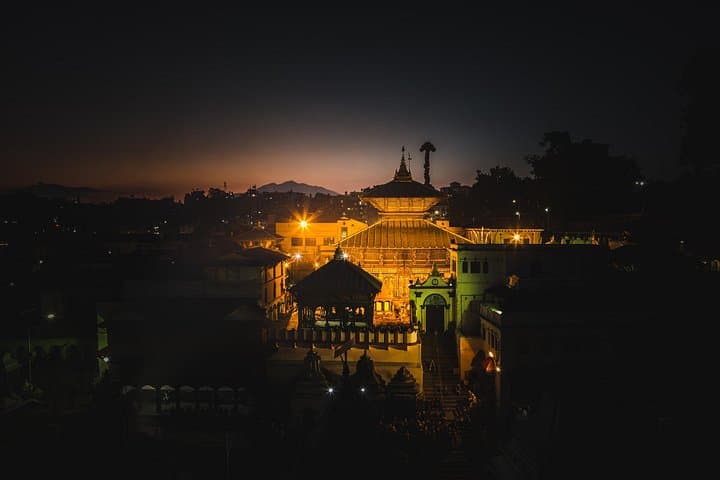
This full-day route threads four of Kathmandu's defining sites: the Shiva rites at Pashupatinath, the Tibetan chants around Boudhanath's massive stupa, the monkey-guarded hilltop of Swayambhunath, and the carved courtyards of Durbar Square. The valley itself is an uplifted basin formed by tectonic collisions—its compact urban fabric grew around religion, trade and Newar craftsmanship over centuries.
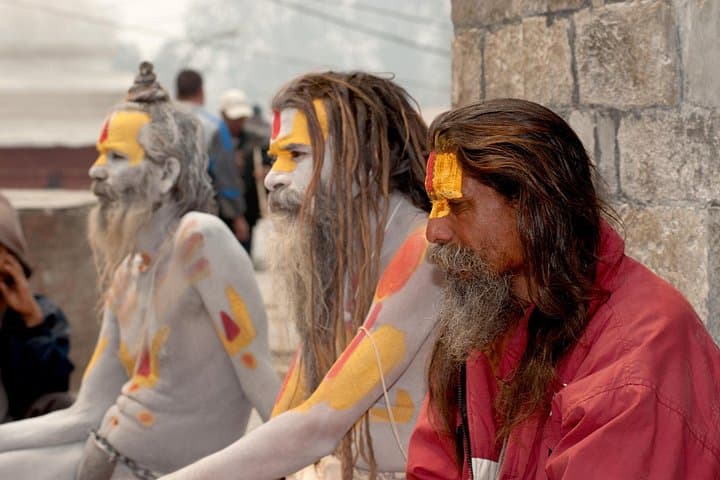
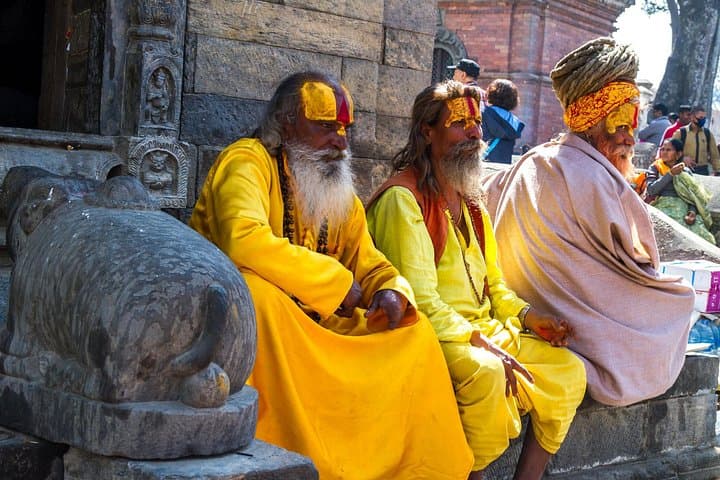
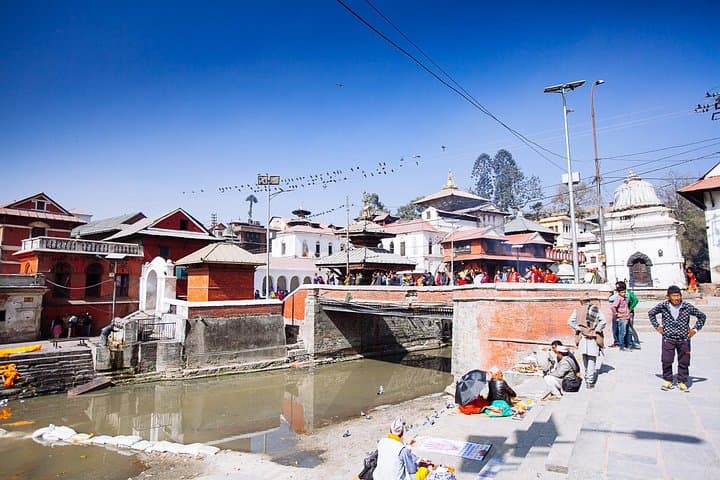
History and culture sit visibly in the stone and woodwork: Malla-era palaces in Patan and Kathmandu Durbar Squares, Tibetan-influenced gompas around Boudha, and the open cremation ghats along the Bagmati at Pashupatinath speak to the close Hindu–Buddhist coexistence here. Local life happens in the margins—tea shops near stupas, artisans repairing carved windows, monks spinning mantras at dawn.
Practical guidance: the tour runs by private car and covers short walks and stairs (Swayambhu has roughly 365 steps). Dress modestly—cover shoulders and knees—and keep a small change of Nepali rupees for donations and small purchases. Expect crowds at midday; early morning or late afternoon light is best for photos and cooler temperatures.
Bring water, comfortable shoes you can remove at temple thresholds, and patience for sensory overload: incense, traffic, prayer flags flapping. The route is accessible for most fitness levels but includes uneven stone steps and tight courtyards—move deliberately and respectfully.
Most tours do not include monument entrance fees; expect to pay separate admission at sites like Durbar Square and some museum areas.
This tour uses a private car and is mostly accessible, but Swayambhunath’s hilltop shrine has many stairs and limited ramp access—plan for alternatives if mobility is restricted.
Early morning or late afternoon offers cooler temperatures, softer light for photography, and smaller crowds—temples are busiest at midday and during festival days.
A guide adds context to complex rituals, Newar history, and local etiquette; independent visits are possible but you may miss nuanced interpretation and efficient routing.
Peregrine Treks and Tours operates guided outdoor trips and adventures with an emphasis on safety, stewardship, and memorable experiences.
You step out of the car into a sun-warmed valley ringed by green foothills, the clack of prayer wheels and distant temple bells mapping the city's rhythm.
You step out of the car into a sun-warmed valley ringed by green foothills, the clack of prayer wheels and distant temple bells mapping the city's rhythm.
This full-day route threads four of Kathmandu's defining sites: the Shiva rites at Pashupatinath, the Tibetan chants around Boudhanath's massive stupa, the monkey-guarded hilltop of Swayambhunath, and the carved courtyards of Durbar Square. The valley itself is an uplifted basin formed by tectonic collisions—its compact urban fabric grew around religion, trade and Newar craftsmanship over centuries.
History and culture sit visibly in the stone and woodwork: Malla-era palaces in Patan and Kathmandu Durbar Squares, Tibetan-influenced gompas around Boudha, and the open cremation ghats along the Bagmati at Pashupatinath speak to the close Hindu–Buddhist coexistence here. Local life happens in the margins—tea shops near stupas, artisans repairing carved windows, monks spinning mantras at dawn.
Practical guidance: the tour runs by private car and covers short walks and stairs (Swayambhu has roughly 365 steps). Dress modestly—cover shoulders and knees—and keep a small change of Nepali rupees for donations and small purchases. Expect crowds at midday; early morning or late afternoon light is best for photos and cooler temperatures.
Bring water, comfortable shoes you can remove at temple thresholds, and patience for sensory overload: incense, traffic, prayer flags flapping. The route is accessible for most fitness levels but includes uneven stone steps and tight courtyards—move deliberately and respectfully.