THE ADVENTURE COLLECTIVE® · Independent discovery and booking for outdoor travel

Spend a day walking through Kathmandu’s living heritage: from Swayambunath’s hilltop views and playful macaques to the meditative sweep of Boudhanath and the solemn ghats of Pashupatinath. Practical tips on timing, etiquette, and what to expect on this 5–8 hour circuit.
Spend a day walking through Kathmandu’s living heritage: from Swayambunath’s hilltop views and playful macaques to the meditative sweep of Boudhanath and the solemn ghats of Pashupatinath. Practical tips on timing, etiquette, and what to expect on this 5–8 hour circuit.
Morning in central Kathmandu feels immediate: motorbikes thread through narrow lanes, prayer flags snap above courtyards, and the scent of incense drifts from a stupa’s base as pilgrims turn prayer wheels. On a full-day UNESCO circuit you move through that rhythm—up the stone steps to Swayambunath’s monkeys, around the vast circumambulation of Boudhanath, past the open-air ghats of Pashupatinath, and into the carved wood of Durbar Square.
Verified experiences and guided adventures in the surrounding area.
Operated by Kathmandu Adventures Travel and Tours · Kathmandu, Bagmati Province
Morning in central Kathmandu feels immediate: motorbikes thread through narrow lanes, prayer flags snap above courtyards, and the scent of incense drifts from a stupa’s base as pilgrims turn prayer wheels. On a full-day UNESCO circuit you move through that rhythm—up the stone steps to Swayambunath’s monkeys, around the vast circumambulation of Boudhanath, past the open-air ghats of Pashupatinath, and into the carved wood of Durbar Square.
The Kathmandu Valley is a tectonic hollow framed by foothills of the Himalaya; its monuments reflect centuries of Newar craftsmanship and the religious layering of Hindu and Buddhist practice. Boudhanath’s white dome and Pashupatinath’s riverside cremation ghats tell different parts of the same cultural story: pilgrimage, ritual, and community life that remain active today.
Practically, expect 5–8 hours of mostly easy walking with intermittent stair climbs—Swayambunath has a steep ascent and Pashupatinath requires a sober, respectful presence near the ghats. The tour typically provides private, air‑conditioned transport and hotel pickup, but temple admissions are usually paid locally. Dress modestly (shoulders and knees covered), carry a refillable water bottle, and keep small change for offerings and footwear areas.
Timing matters: start early to dodge traffic and midday heat; late afternoon light favors photography around stupas. Be mindful of ritual spaces—ask before photographing people in prayer—and bring sturdy shoes for uneven stone and dust. With history at every turn, this is equal parts urban hike and cultural immersion.
Most tours list transport and guide but not admission—plan to pay local entry fees at sites like Boudhanath or Durbar Square.
Yes—this tour typically includes hotel pickup and drop-off in Kathmandu in an air-conditioned vehicle.
Swayambunath involves a significant stair climb; other sites have uneven stones rather than sustained ascents, so mobility should be considered.
The operator notes it’s not recommended for those with serious cardiovascular issues due to walking duration and some stair sections.
Kathmandu Adventures Travel and Tours operates guided outdoor trips and adventures with an emphasis on safety, stewardship, and memorable experiences.
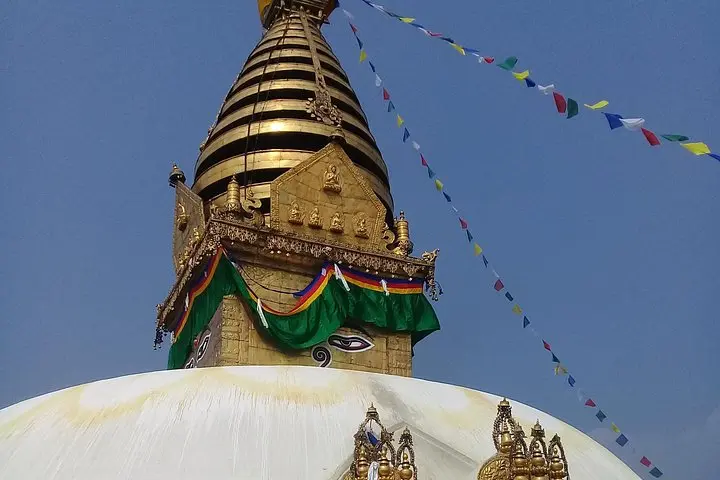
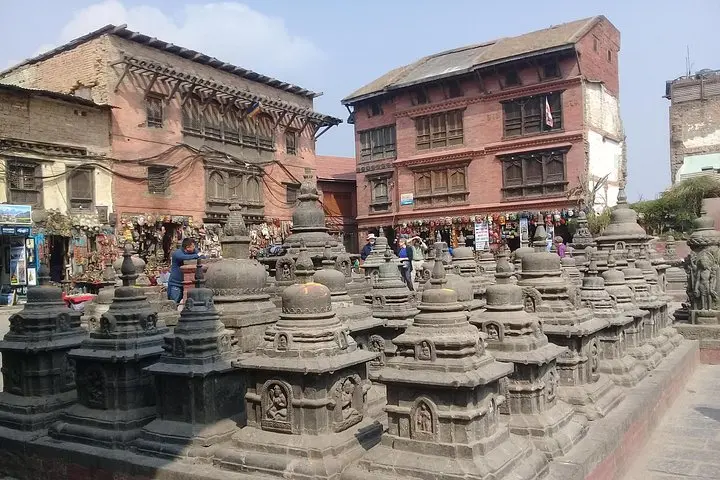
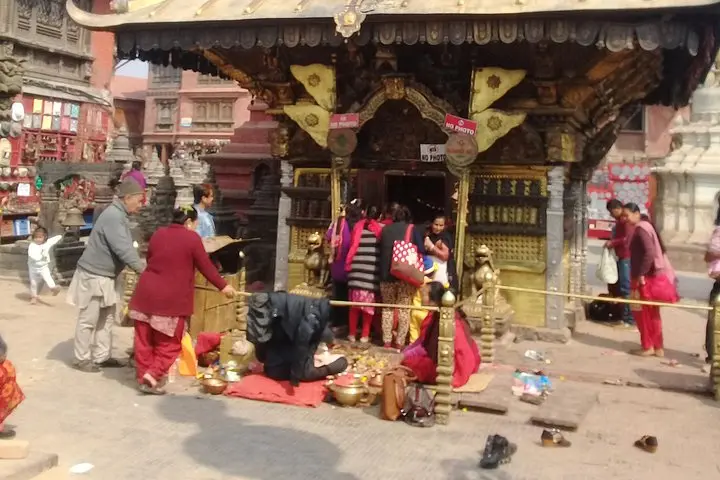
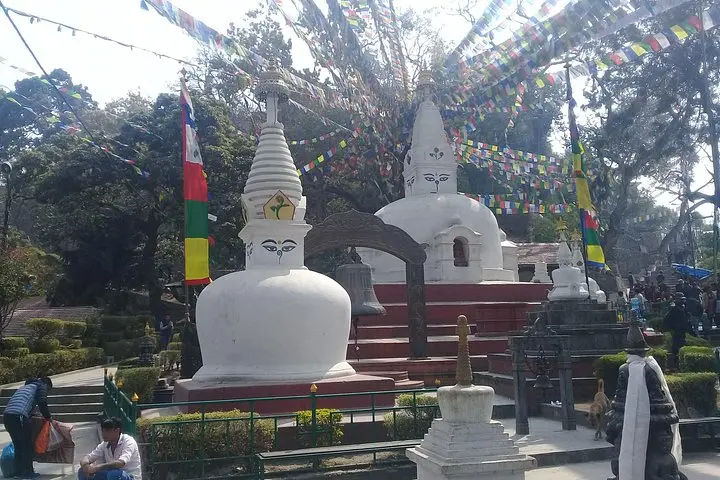
Morning in central Kathmandu feels immediate: motorbikes thread through narrow lanes, prayer flags snap above courtyards, and the scent of incense drifts from a stupa’s base as pilgrims turn prayer wheels. On a full-day UNESCO circuit you move through that rhythm—up the stone steps to Swayambunath’s monkeys, around the vast circumambulation of Boudhanath, past the open-air ghats of Pashupatinath, and into the carved wood of Durbar Square.
Morning in central Kathmandu feels immediate: motorbikes thread through narrow lanes, prayer flags snap above courtyards, and the scent of incense drifts from a stupa’s base as pilgrims turn prayer wheels. On a full-day UNESCO circuit you move through that rhythm—up the stone steps to Swayambunath’s monkeys, around the vast circumambulation of Boudhanath, past the open-air ghats of Pashupatinath, and into the carved wood of Durbar Square.
The Kathmandu Valley is a tectonic hollow framed by foothills of the Himalaya; its monuments reflect centuries of Newar craftsmanship and the religious layering of Hindu and Buddhist practice. Boudhanath’s white dome and Pashupatinath’s riverside cremation ghats tell different parts of the same cultural story: pilgrimage, ritual, and community life that remain active today.
Practically, expect 5–8 hours of mostly easy walking with intermittent stair climbs—Swayambunath has a steep ascent and Pashupatinath requires a sober, respectful presence near the ghats. The tour typically provides private, air‑conditioned transport and hotel pickup, but temple admissions are usually paid locally. Dress modestly (shoulders and knees covered), carry a refillable water bottle, and keep small change for offerings and footwear areas.
Timing matters: start early to dodge traffic and midday heat; late afternoon light favors photography around stupas. Be mindful of ritual spaces—ask before photographing people in prayer—and bring sturdy shoes for uneven stone and dust. With history at every turn, this is equal parts urban hike and cultural immersion.