THE ADVENTURE COLLECTIVE® · Independent discovery and booking for outdoor travel

A full-day crossing from Dubrovnik to Korčula combines a scenic ferry ride, a guided stroll through medieval streets, seaside swimming, and a Pelješac wine tasting. Expect limestone coves, Dalmatian hospitality, and practical walking on cobbled lanes.
A full-day crossing from Dubrovnik to Korčula combines a scenic ferry ride, a guided stroll through medieval streets, seaside swimming, and a Pelješac wine tasting. Expect limestone coves, Dalmatian hospitality, and practical walking on cobbled lanes.
A ferry slips away from the Dubrovnik coast at first light, and the Adriatic opens like a blue page. Salted air pushes forward; the wind dares the wake into foaming streaks as the Pelješac peninsula shrinks and Korčula’s steep roofs come into view. Arrival in Korčula Town drops travelers into narrow streets paved with centuries of footsteps, where a bell tower marks time and the sea frames every vista.
Verified experiences and guided adventures in the surrounding area.
Operated by Deep Green Travel · Korčula, Dubrovnik-Neretva County
A ferry slips away from the Dubrovnik coast at first light, and the Adriatic opens like a blue page. Salted air pushes forward; the wind dares the wake into foaming streaks as the Pelješac peninsula shrinks and Korčula’s steep roofs come into view. Arrival in Korčula Town drops travelers into narrow streets paved with centuries of footsteps, where a bell tower marks time and the sea frames every vista.
Korčula’s recorded story stretches to the Neolithic and carries layers of Illyrian, Greek, and Venetian influence; locals still claim a connection to Marco Polo and to long-lived olive groves and family vineyards. Geology here is karst limestone—jagged coves and clear bays cut into the island’s uplifted shelf—so beaches range from sandy pockets to steep, rocky drops into deep blue water.
Culturally, expect Dalmatian song, small konobas serving fresh seafood and local white wines, and vineyards that have shaped the landscape for centuries. The itinerary balances a guided walk through Korčula Town with hours to swim, explore alleyways, or sip in a Pelješac wine shop.
Practical guidance: wear sturdy shoes for cobbled streets, bring swimwear and a quick-dry towel, and plan for sun exposure—shade is sparse. Time your visit to avoid the hottest midday in high summer and keep a reusable bottle to reduce plastic waste; the island’s water is drinkable but limited in busy spots. For travelers comfortable on a full day of travel, this tour pairs scenic crossings with approachable walks and authentic local flavors.
Yes—most bookings include pick-up and drop-off within the Dubrovnik city area; confirm your pickup point when you book.
The crossing from Orebić to Korčula is short (roughly 15–30 minutes) but the full round-trip tour day lasts 9–10 hours including transfers.
The operator notes stroller accessibility for infants and small children, though cobbled streets in Korčula Town can be uneven for buggies.
Yes—tastings at a Pelješac wine shop or cellar are included; purchase of bottles is optional and often available to take home.
Deep Green Travel operates guided outdoor trips and adventures with an emphasis on safety, stewardship, and memorable experiences.
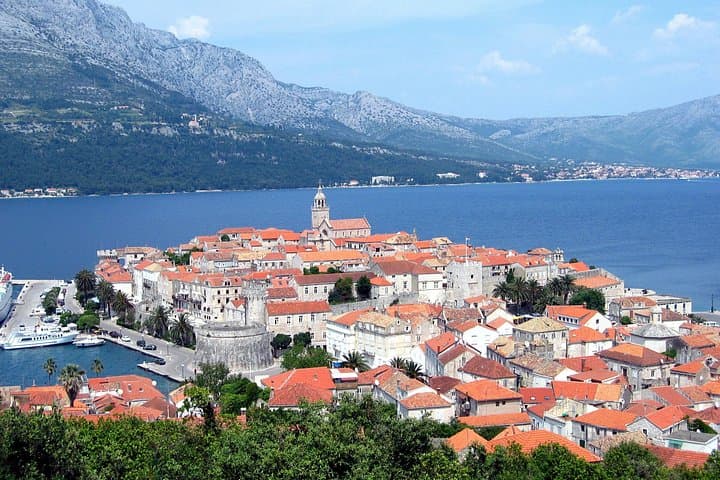
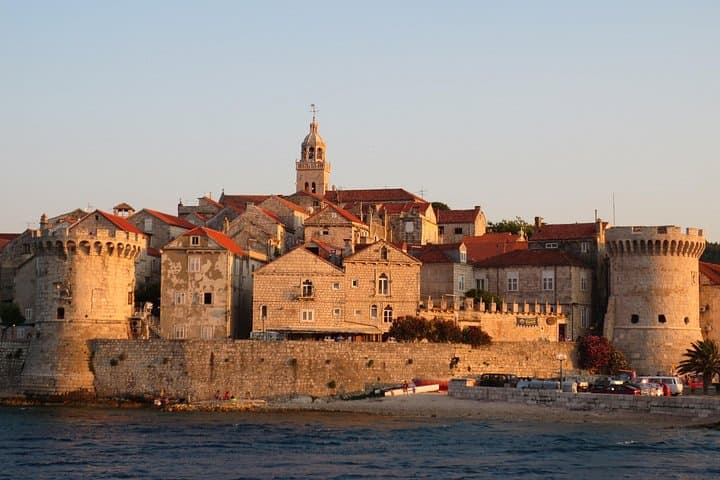
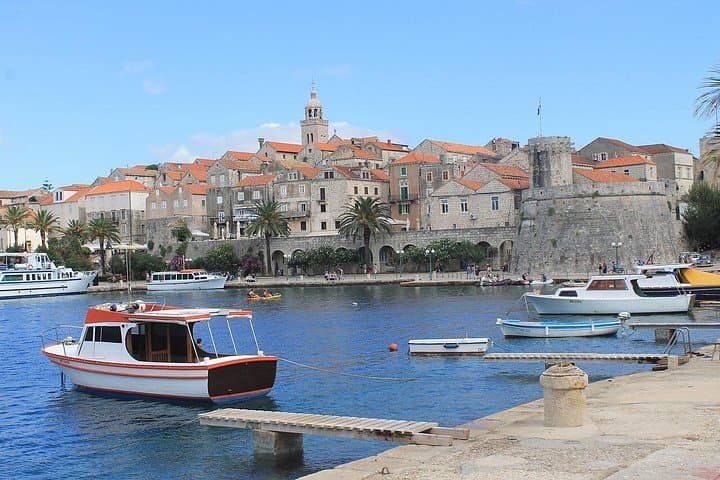
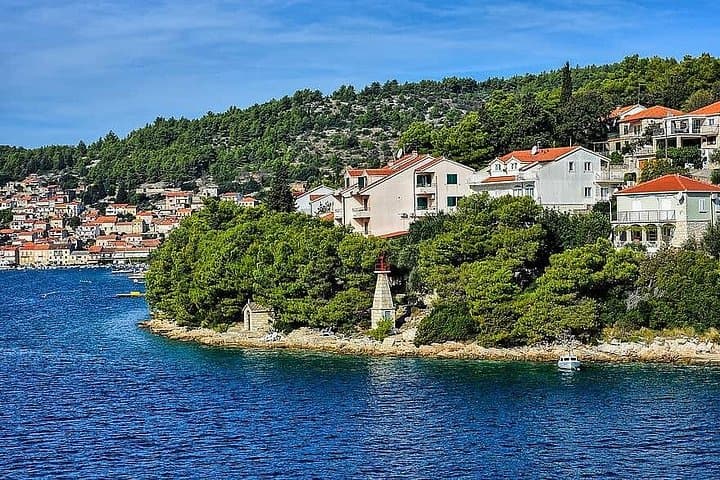
A ferry slips away from the Dubrovnik coast at first light, and the Adriatic opens like a blue page. Salted air pushes forward; the wind dares the wake into foaming streaks as the Pelješac peninsula shrinks and Korčula’s steep roofs come into view. Arrival in Korčula Town drops travelers into narrow streets paved with centuries of footsteps, where a bell tower marks time and the sea frames every vista.
A ferry slips away from the Dubrovnik coast at first light, and the Adriatic opens like a blue page. Salted air pushes forward; the wind dares the wake into foaming streaks as the Pelješac peninsula shrinks and Korčula’s steep roofs come into view. Arrival in Korčula Town drops travelers into narrow streets paved with centuries of footsteps, where a bell tower marks time and the sea frames every vista.
Korčula’s recorded story stretches to the Neolithic and carries layers of Illyrian, Greek, and Venetian influence; locals still claim a connection to Marco Polo and to long-lived olive groves and family vineyards. Geology here is karst limestone—jagged coves and clear bays cut into the island’s uplifted shelf—so beaches range from sandy pockets to steep, rocky drops into deep blue water.
Culturally, expect Dalmatian song, small konobas serving fresh seafood and local white wines, and vineyards that have shaped the landscape for centuries. The itinerary balances a guided walk through Korčula Town with hours to swim, explore alleyways, or sip in a Pelješac wine shop.
Practical guidance: wear sturdy shoes for cobbled streets, bring swimwear and a quick-dry towel, and plan for sun exposure—shade is sparse. Time your visit to avoid the hottest midday in high summer and keep a reusable bottle to reduce plastic waste; the island’s water is drinkable but limited in busy spots. For travelers comfortable on a full day of travel, this tour pairs scenic crossings with approachable walks and authentic local flavors.