THE ADVENTURE COLLECTIVE® · Independent discovery and booking for outdoor travel

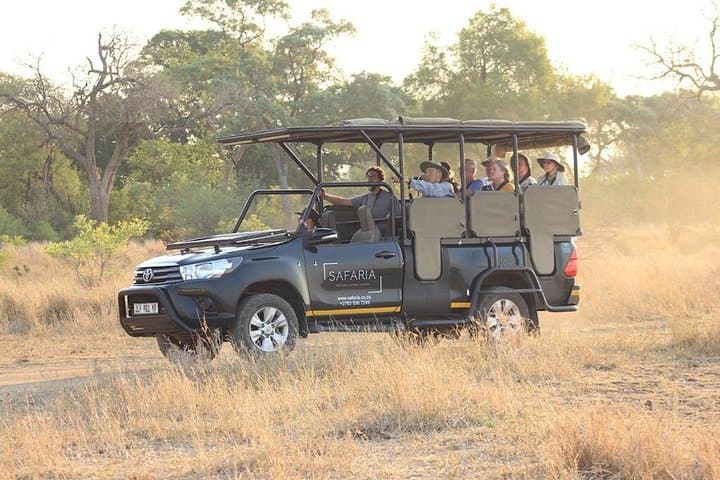
Rise before dawn and cross the Kruger gate on an open safari vehicle for a full‑day search for the Big 5. This guided experience balances patient, track‑reading game drives with cultural and natural history insights from experienced guides.
Rise before dawn and cross the Kruger gate on an open safari vehicle for a full‑day search for the Big 5. This guided experience balances patient, track‑reading game drives with cultural and natural history insights from experienced guides.
Before first light the open safari vehicle slips through a black horizon; mopane and fever trees become silhouettes as the guide lifts the engine and the bush stirs.
Verified experiences and guided adventures in the surrounding area.
Operated by Safaria · Skukuza, Mpumalanga
Before first light the open safari vehicle slips through a black horizon; mopane and fever trees become silhouettes as the guide lifts the engine and the bush stirs.
Morning coffee tastes like urgency and quiet on this full-day safari into Kruger National Park, where tracks and dawn calls map a day of searching for the Big 5.
Kruger occupies a low-veld plateau cut by ancient rivers and basalt outcrops; the park’s mosaic of savanna, riverine forest and granite kopjes reflects geological episodes that span millions of years. Park boundaries and conservation policy evolved through the 19th and 20th centuries, and local Mpumalanga and Limpopo communities continue to shape cultural interpretation and land stewardship offered by guides.
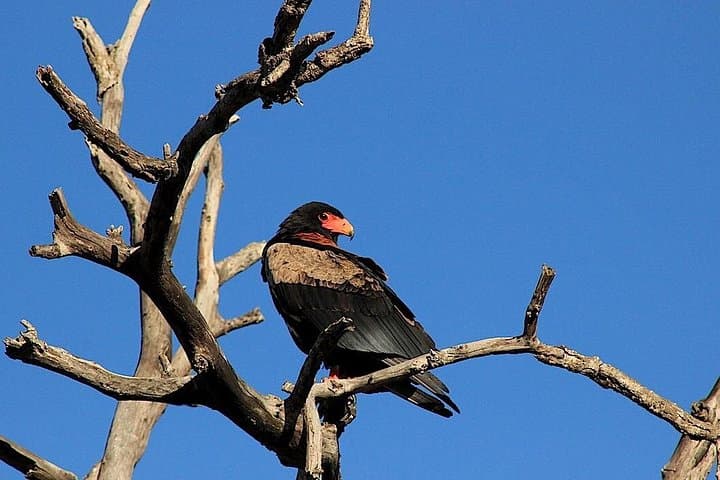
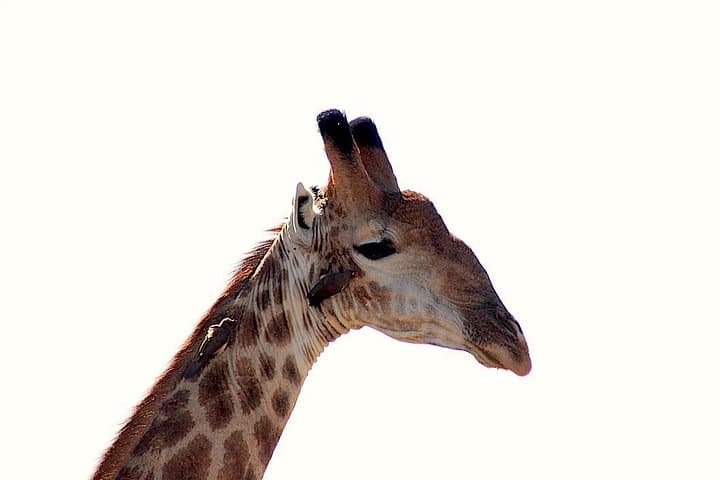
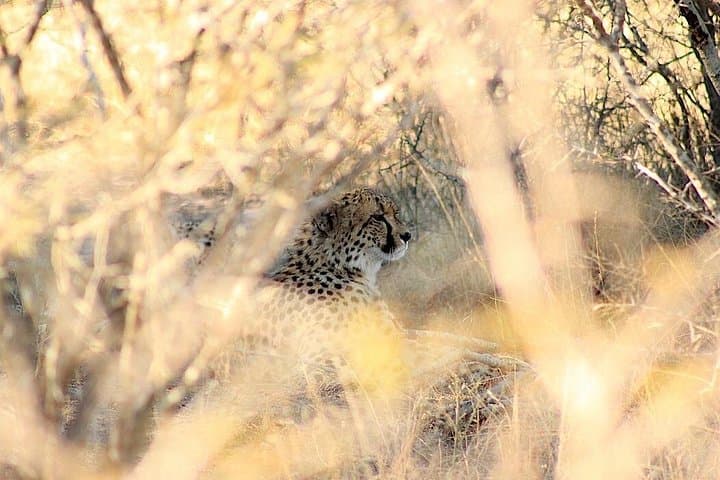
Expect stretches of open road and slow stops: buffalo grazing in grass, giraffes etching long silhouettes, hippos grunting in shaded pools. Guides read spoor, listen for alarm calls and position the vehicle for ethical viewing; a sighting can arrive in a dust-kick or a patient wait on a kopje.
Practicals matter. Tours run about 8–10 hours, departing before sunrise and returning in the afternoon. Dress in layers for cool starts and hot midday sun; vehicles supply blankets and ponchos. Bring binoculars, sun protection, and a camera with a telephoto lens. Carry extra water and follow the guide’s safety briefing — keep limbs inside the vehicle and never approach or feed wildlife.
A full day in Kruger trains attention: the land will test your patience and reward careful listening with close, unhurried encounters that stay with you long after the vehicle returns to the gate.
Yes. A current valid passport and passport details are required at the time of booking and must be carried on the day of travel.
No. Kruger is wild and unpredictable; experienced guides increase the chances of sightings but cannot guarantee specific species.
Bottled water is provided; stops for breakfast and lunch occur at park rest camps and meals are typically at guests’ own expense.
Yes. Children from 6 months and older may join but must be accompanied by an adult; vehicles have blankets and space for young passengers.
Safaria operates guided outdoor trips and adventures with an emphasis on safety, stewardship, and memorable experiences.
Before first light the open safari vehicle slips through a black horizon; mopane and fever trees become silhouettes as the guide lifts the engine and the bush stirs.
Before first light the open safari vehicle slips through a black horizon; mopane and fever trees become silhouettes as the guide lifts the engine and the bush stirs.
Morning coffee tastes like urgency and quiet on this full-day safari into Kruger National Park, where tracks and dawn calls map a day of searching for the Big 5.
Kruger occupies a low-veld plateau cut by ancient rivers and basalt outcrops; the park’s mosaic of savanna, riverine forest and granite kopjes reflects geological episodes that span millions of years. Park boundaries and conservation policy evolved through the 19th and 20th centuries, and local Mpumalanga and Limpopo communities continue to shape cultural interpretation and land stewardship offered by guides.
Expect stretches of open road and slow stops: buffalo grazing in grass, giraffes etching long silhouettes, hippos grunting in shaded pools. Guides read spoor, listen for alarm calls and position the vehicle for ethical viewing; a sighting can arrive in a dust-kick or a patient wait on a kopje.
Practicals matter. Tours run about 8–10 hours, departing before sunrise and returning in the afternoon. Dress in layers for cool starts and hot midday sun; vehicles supply blankets and ponchos. Bring binoculars, sun protection, and a camera with a telephoto lens. Carry extra water and follow the guide’s safety briefing — keep limbs inside the vehicle and never approach or feed wildlife.
A full day in Kruger trains attention: the land will test your patience and reward careful listening with close, unhurried encounters that stay with you long after the vehicle returns to the gate.