THE ADVENTURE COLLECTIVE® · Independent discovery and booking for outdoor travel

Leave Hoedspruit at dawn for a full-day safari into Kruger National Park, where open vehicles, expert guides, and patient tracking deliver close encounters with the Big Five and a living classroom of bushveld ecology.
Leave Hoedspruit at dawn for a full-day safari into Kruger National Park, where open vehicles, expert guides, and patient tracking deliver close encounters with the Big Five and a living classroom of bushveld ecology.
Sunrise splits the bushveld into long shadows and gold; an open safari vehicle hums to life in Hoedspruit and pushes through the gate into Kruger National Park. The scrub grass whispers as elephant bulls move like slow weather, and the guide narrows the binoculars — today is about reading spoor and waiting for the bush to speak.
Verified experiences and guided adventures in the surrounding area.
Operated by Wild Planet Safari · Hoedspruit, Mpumalanga
Sunrise splits the bushveld into long shadows and gold; an open safari vehicle hums to life in Hoedspruit and pushes through the gate into Kruger National Park. The scrub grass whispers as elephant bulls move like slow weather, and the guide narrows the binoculars — today is about reading spoor and waiting for the bush to speak.
Kruger is one of Africa’s oldest and largest protected areas, formalized in the early 20th century and named for President Paul Kruger. Geologically, the park sits on ancient granitoids and gneisses with low, rolling plains carved by seasonal rivers. Culturally the region has deep connections to Tsonga and Shangaan communities whose histories intersect with the land and conservation efforts.
On a full-day safari from Hoedspruit, expect long stretches in an open vehicle, guided game drives toward Satara Camp and back to Orpen Gate by late afternoon. Guides interpret tracks, call bird sightings, and time stops for a picnic breakfast; lunch at Satara is usually self-funded. Entrance fees apply (quoted separately).
Practical edge: bring binoculars and a camera with a telephoto lens, layer clothing for cool mornings and hot midday, and carry at least 1.5–2 liters of water. Vehicles are accessible and the tour suits most fitness levels, but prepare for bumpy roads and extended sitting. Dawn and dusk concentrate predator activity; mid-morning is best for birdlife and herbivore herds. Respect the guide’s instructions, keep voices low, and avoid abrupt movements around wildlife — the bush rewards patience.
The tour includes an experienced guide and open safari vehicle; entrance fees are charged separately and lunch at Satara is self-funded.
This is a full-day experience (about 6–8 hours); departures are at dawn and the tour returns to Orpen Gate by late afternoon (around 4 PM).
The operator notes the tour is suitable for all physical fitness levels and transportation is wheelchair accessible; contact the operator about specific needs before booking.
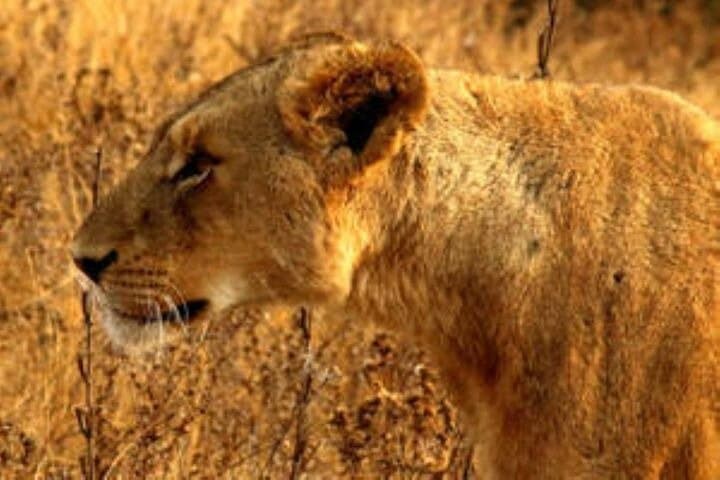
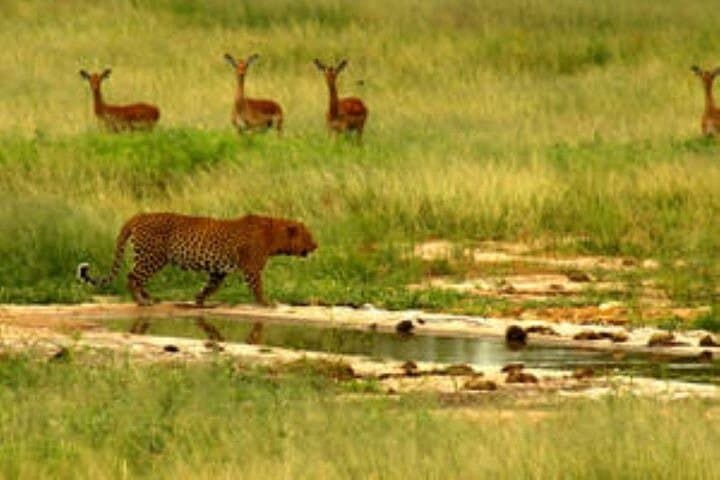
Guides search for the Big Five (lion, elephant, rhino, leopard, buffalo) plus zebras, wildebeest and abundant birdlife, but sightings depend on season and animal movement.
Wild Planet Safari operates guided outdoor trips and adventures with an emphasis on safety, stewardship, and memorable experiences.


Sunrise splits the bushveld into long shadows and gold; an open safari vehicle hums to life in Hoedspruit and pushes through the gate into Kruger National Park. The scrub grass whispers as elephant bulls move like slow weather, and the guide narrows the binoculars — today is about reading spoor and waiting for the bush to speak.
Sunrise splits the bushveld into long shadows and gold; an open safari vehicle hums to life in Hoedspruit and pushes through the gate into Kruger National Park. The scrub grass whispers as elephant bulls move like slow weather, and the guide narrows the binoculars — today is about reading spoor and waiting for the bush to speak.
Kruger is one of Africa’s oldest and largest protected areas, formalized in the early 20th century and named for President Paul Kruger. Geologically, the park sits on ancient granitoids and gneisses with low, rolling plains carved by seasonal rivers. Culturally the region has deep connections to Tsonga and Shangaan communities whose histories intersect with the land and conservation efforts.
On a full-day safari from Hoedspruit, expect long stretches in an open vehicle, guided game drives toward Satara Camp and back to Orpen Gate by late afternoon. Guides interpret tracks, call bird sightings, and time stops for a picnic breakfast; lunch at Satara is usually self-funded. Entrance fees apply (quoted separately).
Practical edge: bring binoculars and a camera with a telephoto lens, layer clothing for cool mornings and hot midday, and carry at least 1.5–2 liters of water. Vehicles are accessible and the tour suits most fitness levels, but prepare for bumpy roads and extended sitting. Dawn and dusk concentrate predator activity; mid-morning is best for birdlife and herbivore herds. Respect the guide’s instructions, keep voices low, and avoid abrupt movements around wildlife — the bush rewards patience.