THE ADVENTURE COLLECTIVE® · Independent discovery and booking for outdoor travel

A single-day sweep through western Georgia: enter the luminous Prometheus Cave, explore Kutaisi’s medieval heart and visit Gelati Monastery’s frescoed halls. This full-day tour combines dramatic geology and centuries of history with a practical pace for travelers.
A single-day sweep through western Georgia: enter the luminous Prometheus Cave, explore Kutaisi’s medieval heart and visit Gelati Monastery’s frescoed halls. This full-day tour combines dramatic geology and centuries of history with a practical pace for travelers.
You step into western Georgia as the road unwinds from Tbilisi — low hills give way to a broad plain, and the air tastes of limestone and river dust. By mid-morning the Prometheus Cave opens like another world: a cool hush, calcite curtains and underground streams that seem to dare you deeper with each reflected light. The cave’s chambers are geological pages, written in stalactites and flowstone.
Verified experiences and guided adventures in the surrounding area.
Operated by Travel To Georgia Tours · Kutaisi, Imereti
You step into western Georgia as the road unwinds from Tbilisi — low hills give way to a broad plain, and the air tastes of limestone and river dust. By mid-morning the Prometheus Cave opens like another world: a cool hush, calcite curtains and underground streams that seem to dare you deeper with each reflected light. The cave’s chambers are geological pages, written in stalactites and flowstone.
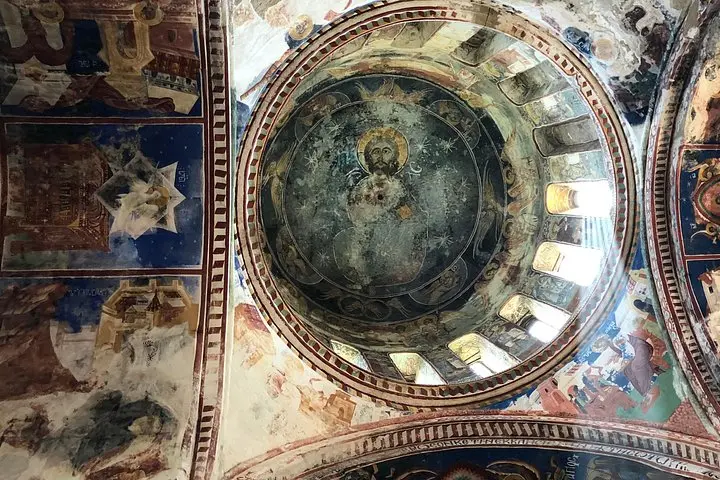
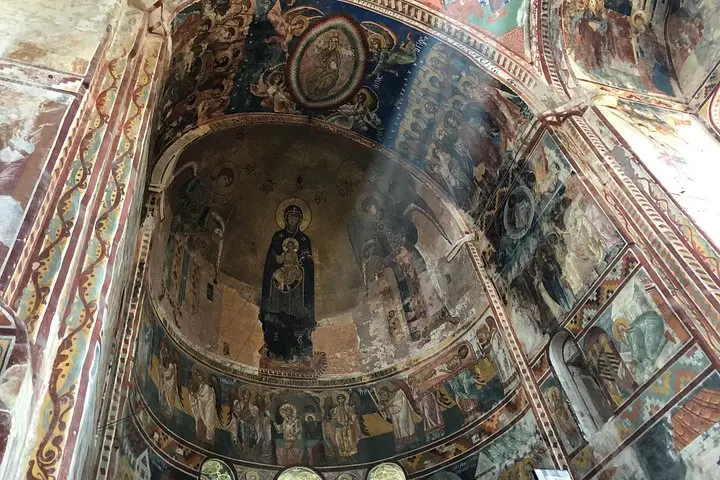
Outside, Kutaisi’s old streets lead toward Bagrati Cathedral, a 11th–12th century silhouette of medieval Georgian architecture where weathered stone and the wind’s insistence shape the skyline. A short drive north brings you to Gelati Monastery, founded in the 12th century — a medieval university and royal necropolis where frescoes survive as rare, intimate portraits of Georgia’s past.
Geology, faith and scholarship sit close here: karst systems feed the cave; monarchs chose Gelati for burial; Kutaisi served as a seat of kings. Local guides will thread history with practical tips — where to buy bottled water, how long each stop takes, and which viewpoints capture light for photos.
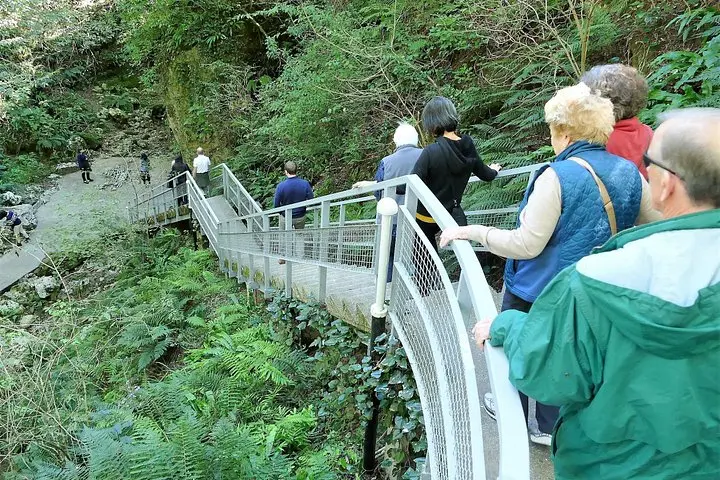
Practical guidance: expect a long day of driving and several short walks on uneven paths and cave steps. Wear grippy shoes, bring a light jacket for the cave and a refillable bottle for long stretches between services. Plan for an early departure from Tbilisi and a return after dusk; travel time is significant but the route rewards with geology, panoramic ruins and a close look at Georgia’s medieval heart.
Drive time is roughly 3–4 hours one way depending on traffic and stops; expect a full day with transit and site visits.
This tour notes that Prometheus Cave admission is included in the itinerary; confirm at booking for any recent changes.
The itinerary involves stairs and uneven ground; not recommended for travelers with serious mobility limitations or spinal issues.
Meals are typically not included—there are opportunities to buy food in Kutaisi and near attractions; bring snacks for the road.
Travel To Georgia Tours operates guided outdoor trips and adventures with an emphasis on safety, stewardship, and memorable experiences.
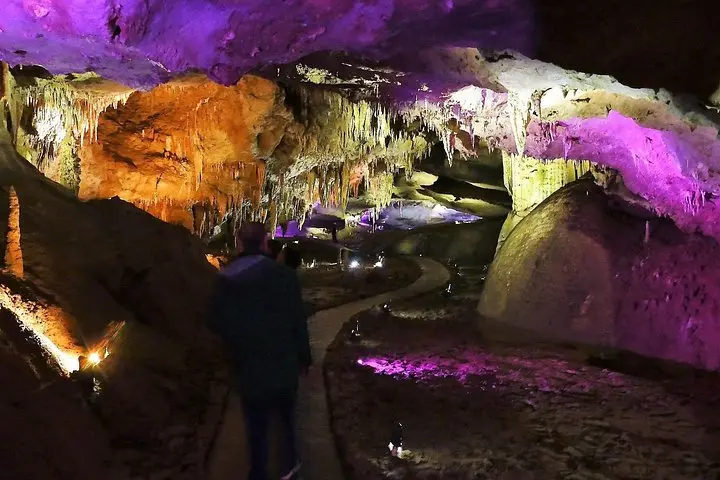
You step into western Georgia as the road unwinds from Tbilisi — low hills give way to a broad plain, and the air tastes of limestone and river dust. By mid-morning the Prometheus Cave opens like another world: a cool hush, calcite curtains and underground streams that seem to dare you deeper with each reflected light. The cave’s chambers are geological pages, written in stalactites and flowstone.
You step into western Georgia as the road unwinds from Tbilisi — low hills give way to a broad plain, and the air tastes of limestone and river dust. By mid-morning the Prometheus Cave opens like another world: a cool hush, calcite curtains and underground streams that seem to dare you deeper with each reflected light. The cave’s chambers are geological pages, written in stalactites and flowstone.
Outside, Kutaisi’s old streets lead toward Bagrati Cathedral, a 11th–12th century silhouette of medieval Georgian architecture where weathered stone and the wind’s insistence shape the skyline. A short drive north brings you to Gelati Monastery, founded in the 12th century — a medieval university and royal necropolis where frescoes survive as rare, intimate portraits of Georgia’s past.
Geology, faith and scholarship sit close here: karst systems feed the cave; monarchs chose Gelati for burial; Kutaisi served as a seat of kings. Local guides will thread history with practical tips — where to buy bottled water, how long each stop takes, and which viewpoints capture light for photos.
Practical guidance: expect a long day of driving and several short walks on uneven paths and cave steps. Wear grippy shoes, bring a light jacket for the cave and a refillable bottle for long stretches between services. Plan for an early departure from Tbilisi and a return after dusk; travel time is significant but the route rewards with geology, panoramic ruins and a close look at Georgia’s medieval heart.