THE ADVENTURE COLLECTIVE® · Independent discovery and booking for outdoor travel

Trace the contours of the Anglo–Zulu War on a full-day guided tour from Durban to Isandlwana and Rorke's Drift. Walk battlefields, visit museums and memorials, and hear on-site interpretation that connects landscape, tactics, and culture.
Trace the contours of the Anglo–Zulu War on a full-day guided tour from Durban to Isandlwana and Rorke's Drift. Walk battlefields, visit museums and memorials, and hear on-site interpretation that connects landscape, tactics, and culture.
You step from the minibus into a wide, open veld where the wind seems to carry voices from 1879: grasses sway and the low rise of Isandlwana cuts a clean horizon against high blue sky. The tour moves at a steady, reflective pace—first across the plain to the Isandlwana museum and battlefield, then downstream to the defensive works of Rorke's Drift—so you feel the geography as much as you hear the history.
Verified experiences and guided adventures in the surrounding area.
Operated by Bantu Safaris Southern Africa · Dundee, KwaZulu-Natal
You step from the minibus into a wide, open veld where the wind seems to carry voices from 1879: grasses sway and the low rise of Isandlwana cuts a clean horizon against high blue sky. The tour moves at a steady, reflective pace—first across the plain to the Isandlwana museum and battlefield, then downstream to the defensive works of Rorke's Drift—so you feel the geography as much as you hear the history.
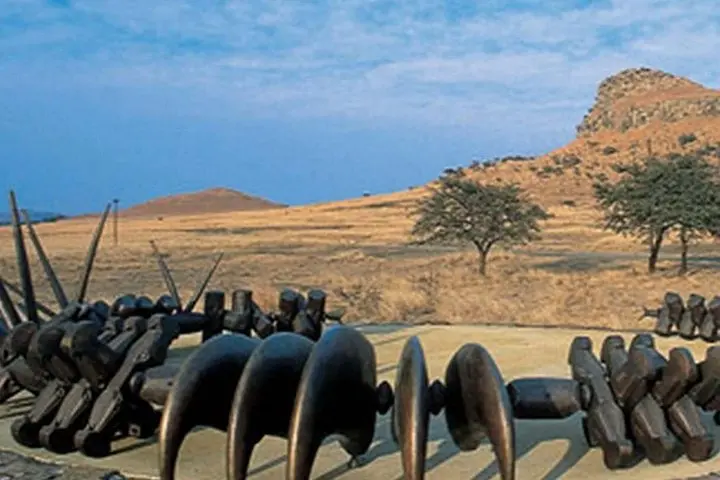
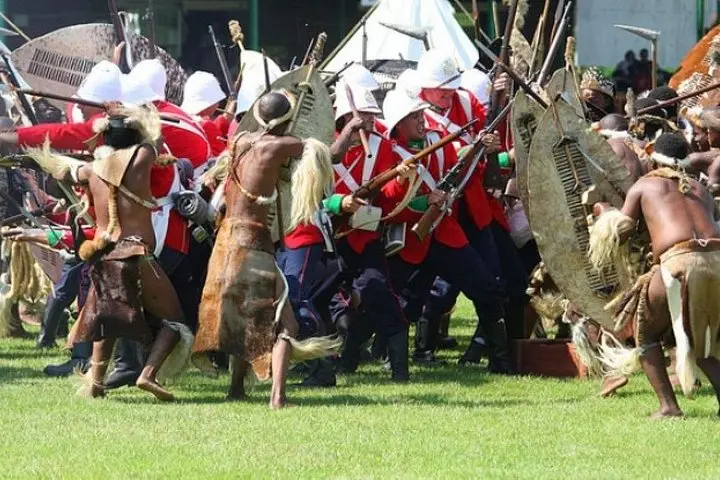
These sites mark two linked events in the Anglo–Zulu War: Isandlwana, a catastrophic 22 January defeat for a British column, and Rorke's Drift, where a small garrison held a mission station against a much larger force. The geology is simple—rolling grassland over Natal Group sandstones and clay soils—yet that flat openness shaped tactics and movement. Local Zulu history and missionary activity both thread through the interpretation, and guides usually frame the battles within broader cultural and political shifts in late-19th-century southern Africa.
Practically, expect several short walks on uneven ground, outdoor interpretive panels, and small museums. Bring sun protection and layered clothing for brisk mornings, and allow roughly 11 hours for the round-trip from Durban with stops for commentary, photo views, and site visits. Water and bottled drinks are typically provided; restrooms are available at main stops. Respect memorial areas and marked paths, stay with the group, and budget time for the museum exhibits—these hold artifacts and local narratives that deepen the field visits. The day is equal parts landscape, lived history, and quiet reflection—an accessible full-day immersion into one of South Africa's most discussed military chapters.
The tour is approximately 11 hours total; start times vary by operator but typically depart Durban early morning—confirm your pickup time when booking.
Admission to the Isandlwana and certain sites is typically included as noted by the operator, but always verify specific inclusions at booking.
Yes—this tour is physically easy and suitable for families; infants can be accommodated but may need to sit on laps during vehicle transport as required.
Most operators offer hotel pickup within Durban; you’ll be asked to select a pickup point when booking and should confirm details in advance.
Bantu Safaris Southern Africa operates guided outdoor trips and adventures with an emphasis on safety, stewardship, and memorable experiences.
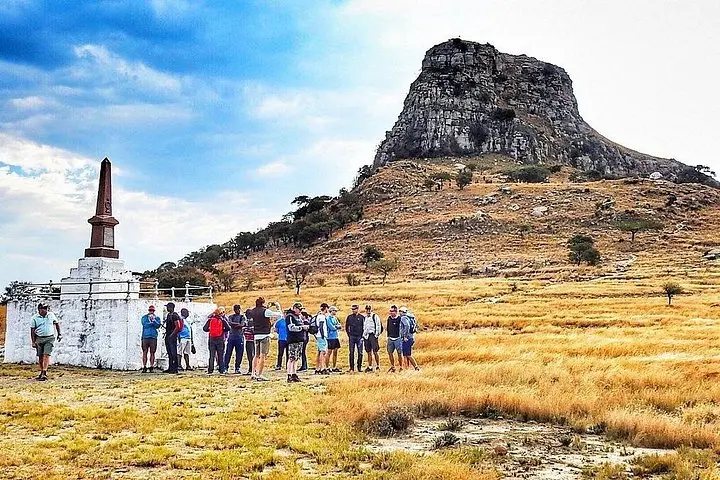
You step from the minibus into a wide, open veld where the wind seems to carry voices from 1879: grasses sway and the low rise of Isandlwana cuts a clean horizon against high blue sky. The tour moves at a steady, reflective pace—first across the plain to the Isandlwana museum and battlefield, then downstream to the defensive works of Rorke's Drift—so you feel the geography as much as you hear the history.
You step from the minibus into a wide, open veld where the wind seems to carry voices from 1879: grasses sway and the low rise of Isandlwana cuts a clean horizon against high blue sky. The tour moves at a steady, reflective pace—first across the plain to the Isandlwana museum and battlefield, then downstream to the defensive works of Rorke's Drift—so you feel the geography as much as you hear the history.
These sites mark two linked events in the Anglo–Zulu War: Isandlwana, a catastrophic 22 January defeat for a British column, and Rorke's Drift, where a small garrison held a mission station against a much larger force. The geology is simple—rolling grassland over Natal Group sandstones and clay soils—yet that flat openness shaped tactics and movement. Local Zulu history and missionary activity both thread through the interpretation, and guides usually frame the battles within broader cultural and political shifts in late-19th-century southern Africa.
Practically, expect several short walks on uneven ground, outdoor interpretive panels, and small museums. Bring sun protection and layered clothing for brisk mornings, and allow roughly 11 hours for the round-trip from Durban with stops for commentary, photo views, and site visits. Water and bottled drinks are typically provided; restrooms are available at main stops. Respect memorial areas and marked paths, stay with the group, and budget time for the museum exhibits—these hold artifacts and local narratives that deepen the field visits. The day is equal parts landscape, lived history, and quiet reflection—an accessible full-day immersion into one of South Africa's most discussed military chapters.