THE ADVENTURE COLLECTIVE® · Independent discovery and booking for outdoor travel

Spend a day moving between Kyoto’s shining Kinkaku-ji and cliffside Kiyomizu-dera, then learn the quiet precision of a traditional matcha ceremony. This full-day tour blends iconic architecture, seasonal gardens, and hands-on tea ritual with practical logistics for first-time visitors.
Spend a day moving between Kyoto’s shining Kinkaku-ji and cliffside Kiyomizu-dera, then learn the quiet precision of a traditional matcha ceremony. This full-day tour blends iconic architecture, seasonal gardens, and hands-on tea ritual with practical logistics for first-time visitors.
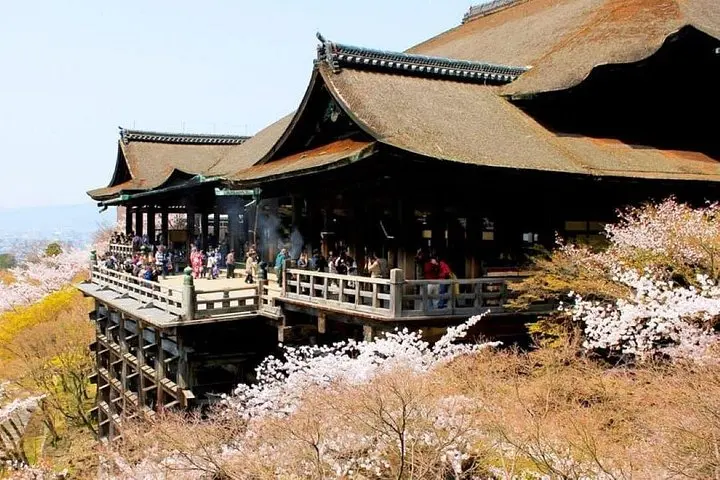
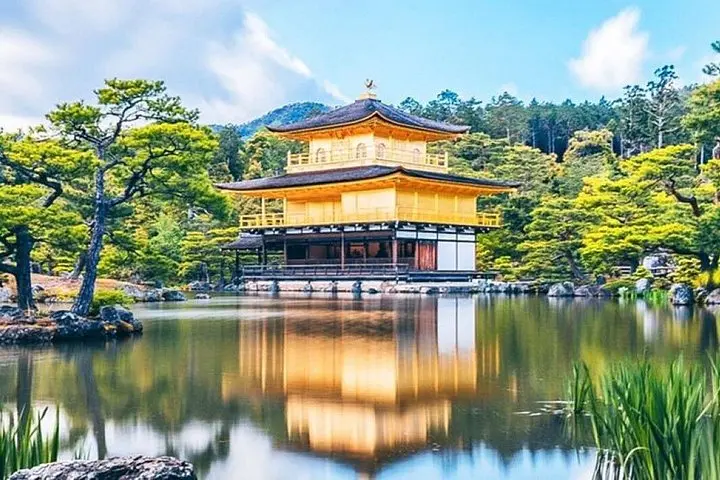
You step off an air-conditioned minibus into a courtyard where the city gives way to wooden eaves and moss-soft paths; the scent of steamed rice cakes and powdered green tea hangs in the air. Morning light picks out the burnished gold of Kinkaku-ji as the pavilion stares back at its reflection in a still pond, while later the Kiyomizu-dera veranda thrusts you toward sweeping views of Kyoto’s rooflines and the slow pulse of the Kamo River below.
Verified experiences and guided adventures in the surrounding area.
Operated by TREVOPEDIA · Kyoto, Kyoto Prefecture
You step off an air-conditioned minibus into a courtyard where the city gives way to wooden eaves and moss-soft paths; the scent of steamed rice cakes and powdered green tea hangs in the air. Morning light picks out the burnished gold of Kinkaku-ji as the pavilion stares back at its reflection in a still pond, while later the Kiyomizu-dera veranda thrusts you toward sweeping views of Kyoto’s rooflines and the slow pulse of the Kamo River below.
These sites trace medieval Kyoto—Kinkaku-ji rebuilt after 1397 as Ashikaga Yoshimitsu’s retirement villa, later a Zen temple; Kiyomizu-dera, famed for its nail-less wooden stage and the Otowa waterfall whose streams promise longevity, study success, and love. The tour’s matcha segment introduces chanoyu: whisking powdered tea with ritualized gestures born of Zen discipline, where every utensil and motion has intent.
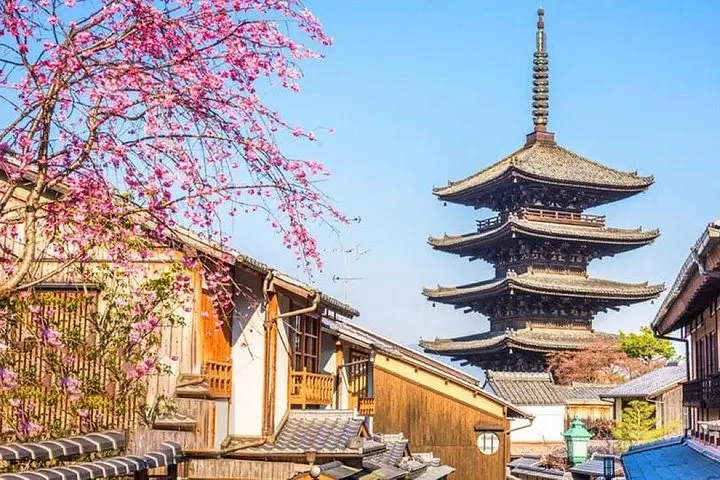
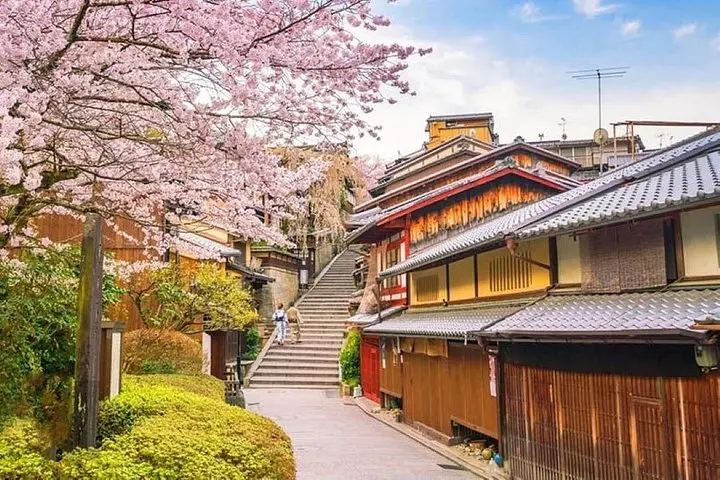
Granite outcrops, terraced gardens and manicured ponds shape the city’s temple landscapes; seasonal maples and cherry branches act like local guides, steering sightlines. Expect gentle walking on stone steps, paved streets in historic districts, and moments of quiet etiquette inside tea rooms.
Practical note: this is a full-day outing (about 8–9 hours) with moderate walking but no technical demands. Bring comfortable shoes for uneven steps, a light jacket for cooler mornings, and a reusable water bottle to stay hydrated between shrines. Aim for early departure to avoid peak crowds at Kinkaku-ji and reserve matcha slots in advance. Keep your camera ready—temples reward patient framing—and leave sacred interiors respectful and voice-low to preserve the ritual calm.
Kinkaku-ji admission is included on this tour; Kiyomizu-dera typically requires a separate entrance fee—check the booking details for specifics.
Yes, the tour includes air-conditioned vehicle transfers between locations and back to the pickup/drop-off point.
The tour notes wheelchair and stroller accessibility; contact the operator about specific needs and the matcha venue’s layout before booking.
Guides are commonly English-speaking on shared tours, but confirm language options when booking to ensure compatibility.
TREVOPEDIA operates guided outdoor trips and adventures with an emphasis on safety, stewardship, and memorable experiences.
You step off an air-conditioned minibus into a courtyard where the city gives way to wooden eaves and moss-soft paths; the scent of steamed rice cakes and powdered green tea hangs in the air. Morning light picks out the burnished gold of Kinkaku-ji as the pavilion stares back at its reflection in a still pond, while later the Kiyomizu-dera veranda thrusts you toward sweeping views of Kyoto’s rooflines and the slow pulse of the Kamo River below.
You step off an air-conditioned minibus into a courtyard where the city gives way to wooden eaves and moss-soft paths; the scent of steamed rice cakes and powdered green tea hangs in the air. Morning light picks out the burnished gold of Kinkaku-ji as the pavilion stares back at its reflection in a still pond, while later the Kiyomizu-dera veranda thrusts you toward sweeping views of Kyoto’s rooflines and the slow pulse of the Kamo River below.
These sites trace medieval Kyoto—Kinkaku-ji rebuilt after 1397 as Ashikaga Yoshimitsu’s retirement villa, later a Zen temple; Kiyomizu-dera, famed for its nail-less wooden stage and the Otowa waterfall whose streams promise longevity, study success, and love. The tour’s matcha segment introduces chanoyu: whisking powdered tea with ritualized gestures born of Zen discipline, where every utensil and motion has intent.
Granite outcrops, terraced gardens and manicured ponds shape the city’s temple landscapes; seasonal maples and cherry branches act like local guides, steering sightlines. Expect gentle walking on stone steps, paved streets in historic districts, and moments of quiet etiquette inside tea rooms.
Practical note: this is a full-day outing (about 8–9 hours) with moderate walking but no technical demands. Bring comfortable shoes for uneven steps, a light jacket for cooler mornings, and a reusable water bottle to stay hydrated between shrines. Aim for early departure to avoid peak crowds at Kinkaku-ji and reserve matcha slots in advance. Keep your camera ready—temples reward patient framing—and leave sacred interiors respectful and voice-low to preserve the ritual calm.