THE ADVENTURE COLLECTIVE® · Independent discovery and booking for outdoor travel

Explore La Paz on foot for six hours: public cable cars, markets, Valle de la Luna and El Alto’s high streets. This full-day walking tour pairs local food tastings with practical lessons in getting around like a Bolivian.
Explore La Paz on foot for six hours: public cable cars, markets, Valle de la Luna and El Alto’s high streets. This full-day walking tour pairs local food tastings with practical lessons in getting around like a Bolivian.
You step out onto El Prado as the city inhales morning light and cable cars hum above — La Paz is a city that moves vertically. The guide gestures toward the teleférico line while vendors unwrap fresh salteñas; you’ll walk from modern neighborhoods up through the dramatic ridgelines that separate La Paz from El Alto, pausing at clay-etched formations known locally as Valle de la Luna.
Verified experiences and guided adventures in the surrounding area.
Operated by VALLANDES BOLIVIA · La Paz, La Paz
You step out onto El Prado as the city inhales morning light and cable cars hum above — La Paz is a city that moves vertically. The guide gestures toward the teleférico line while vendors unwrap fresh salteñas; you’ll walk from modern neighborhoods up through the dramatic ridgelines that separate La Paz from El Alto, pausing at clay-etched formations known locally as Valle de la Luna.
La Paz sits in the Altiplano where Andean geology pushes earth and air into sharp contrasts: eroded clay badlands to the west, colonial adobe and stone in the lower plazas, and the sprawling high plain of El Alto at over 4,000 m. Founded in the mid-16th century and now Bolivia’s administrative heart, the city blends Aymara traditions, Spanish colonial architecture and a bustling market culture that rewards curiosity.
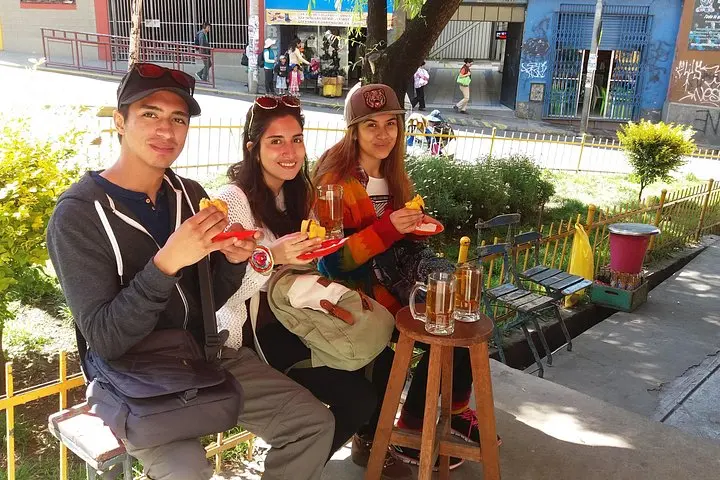
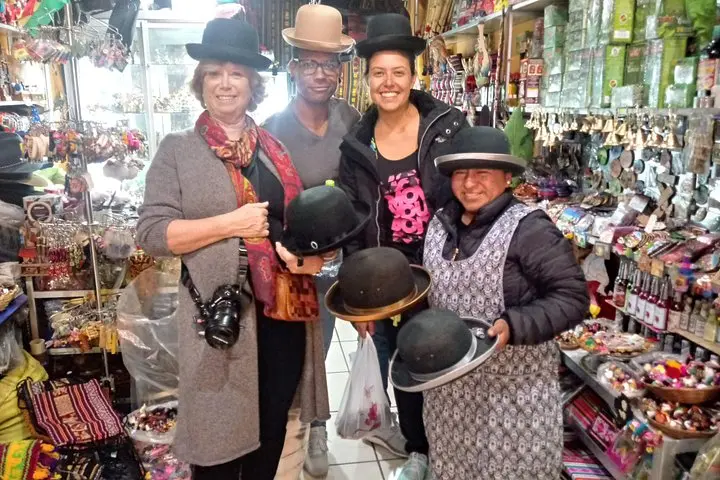
Expect busy streets, steep staircases and sudden vistas. The Witches’ Market and Lanza Market put local crafts and street food within reach; tasting small plates is part of the itinerary. You’ll ride public teleféricos like a commuter and learn basic transport routes to move around safely.
Practical edge: walk with sturdy shoes, layer for intense sun and sharp winds, carry water and a backup mask for dust. Allow time to acclimatize — the day covers varied altitudes and uneven pavement. The tour runs about six hours, finishes at Plaza Murillo, and accommodates up to 14 people. It’s an efficient, ground-level primer on La Paz’s culture and topography for travelers ready to trade a bus tour for boots and curiosity.
Meet at Plaza del Estudiante by the Sucre Monument 15 minutes before the 09:00 start; hotel pickups run 30–60 minutes earlier if arranged.
Yes—La Paz ranges from ~3,000 to over 4,000 m on this route; allow acclimatization time, hydrate, avoid alcohol before the tour and tell the guide if you feel unwell.
Gastronomic tastings are included; advise dietary requirements at booking and guides will adapt snacks to vegetarian or common allergies when possible.
This is a shared tour with a 25-year minimum age and a moderate fitness requirement; not recommended for pregnant travelers or those with serious heart conditions.
VALLANDES BOLIVIA operates guided outdoor trips and adventures with an emphasis on safety, stewardship, and memorable experiences.


You step out onto El Prado as the city inhales morning light and cable cars hum above — La Paz is a city that moves vertically. The guide gestures toward the teleférico line while vendors unwrap fresh salteñas; you’ll walk from modern neighborhoods up through the dramatic ridgelines that separate La Paz from El Alto, pausing at clay-etched formations known locally as Valle de la Luna.
You step out onto El Prado as the city inhales morning light and cable cars hum above — La Paz is a city that moves vertically. The guide gestures toward the teleférico line while vendors unwrap fresh salteñas; you’ll walk from modern neighborhoods up through the dramatic ridgelines that separate La Paz from El Alto, pausing at clay-etched formations known locally as Valle de la Luna.
La Paz sits in the Altiplano where Andean geology pushes earth and air into sharp contrasts: eroded clay badlands to the west, colonial adobe and stone in the lower plazas, and the sprawling high plain of El Alto at over 4,000 m. Founded in the mid-16th century and now Bolivia’s administrative heart, the city blends Aymara traditions, Spanish colonial architecture and a bustling market culture that rewards curiosity.
Expect busy streets, steep staircases and sudden vistas. The Witches’ Market and Lanza Market put local crafts and street food within reach; tasting small plates is part of the itinerary. You’ll ride public teleféricos like a commuter and learn basic transport routes to move around safely.
Practical edge: walk with sturdy shoes, layer for intense sun and sharp winds, carry water and a backup mask for dust. Allow time to acclimatize — the day covers varied altitudes and uneven pavement. The tour runs about six hours, finishes at Plaza Murillo, and accommodates up to 14 people. It’s an efficient, ground-level primer on La Paz’s culture and topography for travelers ready to trade a bus tour for boots and curiosity.