THE ADVENTURE COLLECTIVE® · Independent discovery and booking for outdoor travel

Travel from Tilcara across the high Puna to Laguna de los Pozuelos, a Ramsar‑listed wetland where pink flamingos and Andean wildlife gather. This full‑day, 9‑hour drive includes stops in Abra Pampa, lunch, and guided wildlife viewing.
Travel from Tilcara across the high Puna to Laguna de los Pozuelos, a Ramsar‑listed wetland where pink flamingos and Andean wildlife gather. This full‑day, 9‑hour drive includes stops in Abra Pampa, lunch, and guided wildlife viewing.
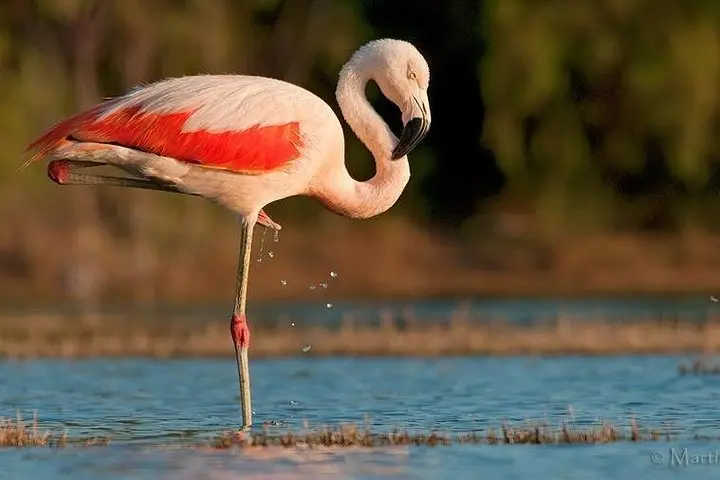
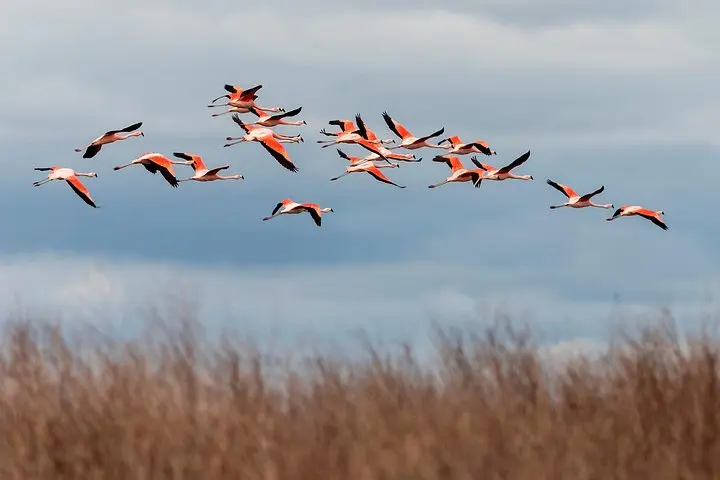
You climb into an air‑conditioned van at dawn in Tilcara and the high plain unfurls — salt flats, low tussock grass, and distant volcanic ridgelines. The road to Laguna de los Pozuelos pushes you into the Puna: thin air, a sky so sharply blue it seems to cut the horizon, and flocks of pink flamingos dotting a shallow, wind‑scoured lagoon.
Verified experiences and guided adventures in the surrounding area.
Operated by Tangol · Tilcara, Jujuy
You climb into an air‑conditioned van at dawn in Tilcara and the high plain unfurls — salt flats, low tussock grass, and distant volcanic ridgelines. The road to Laguna de los Pozuelos pushes you into the Puna: thin air, a sky so sharply blue it seems to cut the horizon, and flocks of pink flamingos dotting a shallow, wind‑scoured lagoon.
Laguna de los Pozuelos sits within a protected wetland on the high Andean plateau of Jujuy. The basin formed from tectonic uplift and endorheic drainage, producing broad saline flats that attract Andean waterfowl and grazing camelids. Abra Pampa, the regional center you pass through, grew as a trading hub between miners and pastoralists — its markets still sell woven llama textiles and dried quinoa.
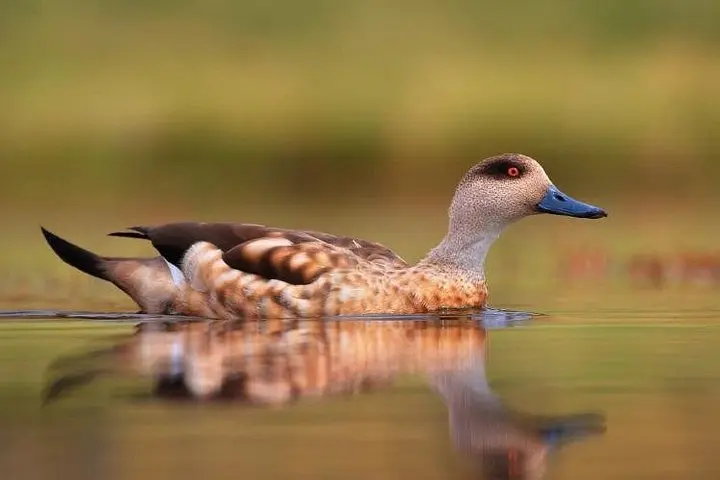
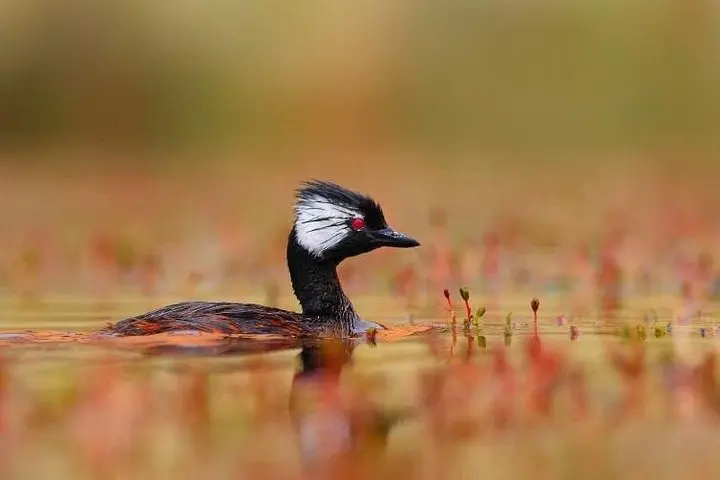
Expect wildlife-focused stops: vicuñas grazing on sparse puna grasses, andean fox tracks, and the signature James’s and Andean flamingos at the lagoon. The reserve covers some 15,000 hectares and is recognized as a Ramsar wetland, so sightings depend on season and water levels.
Practically: the full day is about nine hours and covers roughly 300 km roundtrip. Bring layered clothing for strong sun and sudden cold, water and snacks, and a camera with a zoom lens for birds. Altitude can cause breathlessness—move slowly, hydrate, and avoid heavy exertion on arrival. The tour includes lunch in Abra Pampa and returns to Tilcara by evening.
This trip is straightforward, wildlife‑rich, and highly visual — a compact immersion into the high Altiplano and its resilient life.
Shared tours can include up to 30 travelers; groups are usually transported in comfortable, air‑conditioned vehicles.
Yes, but water levels and road conditions vary seasonally — summer rains can make access softer, while dry seasons offer easier travel and clearer wildlife viewing.
No guarantee — flamingo presence depends on water conditions and food availability, but Pozuelos is one of the region’s most reliable sites for Andean and James’s flamingos.
Yes; the Puna sits above 3,500 m. Take it easy, hydrate, avoid heavy meals before travel, and consult a doctor if you have cardiovascular or respiratory conditions.
Tangol operates guided outdoor trips and adventures with an emphasis on safety, stewardship, and memorable experiences.
You climb into an air‑conditioned van at dawn in Tilcara and the high plain unfurls — salt flats, low tussock grass, and distant volcanic ridgelines. The road to Laguna de los Pozuelos pushes you into the Puna: thin air, a sky so sharply blue it seems to cut the horizon, and flocks of pink flamingos dotting a shallow, wind‑scoured lagoon.
You climb into an air‑conditioned van at dawn in Tilcara and the high plain unfurls — salt flats, low tussock grass, and distant volcanic ridgelines. The road to Laguna de los Pozuelos pushes you into the Puna: thin air, a sky so sharply blue it seems to cut the horizon, and flocks of pink flamingos dotting a shallow, wind‑scoured lagoon.
Laguna de los Pozuelos sits within a protected wetland on the high Andean plateau of Jujuy. The basin formed from tectonic uplift and endorheic drainage, producing broad saline flats that attract Andean waterfowl and grazing camelids. Abra Pampa, the regional center you pass through, grew as a trading hub between miners and pastoralists — its markets still sell woven llama textiles and dried quinoa.
Expect wildlife-focused stops: vicuñas grazing on sparse puna grasses, andean fox tracks, and the signature James’s and Andean flamingos at the lagoon. The reserve covers some 15,000 hectares and is recognized as a Ramsar wetland, so sightings depend on season and water levels.
Practically: the full day is about nine hours and covers roughly 300 km roundtrip. Bring layered clothing for strong sun and sudden cold, water and snacks, and a camera with a zoom lens for birds. Altitude can cause breathlessness—move slowly, hydrate, and avoid heavy exertion on arrival. The tour includes lunch in Abra Pampa and returns to Tilcara by evening.
This trip is straightforward, wildlife‑rich, and highly visual — a compact immersion into the high Altiplano and its resilient life.