THE ADVENTURE COLLECTIVE® · Independent discovery and booking for outdoor travel

A full-day tour of Lake Atitlán mixes short boat crossings, visits to Tzutujil Mayan villages, and towering volcano views. This guide explains what to expect, how to prepare, and practical tips for making the most of a long but accessible day on Guatemala’s most dramatic lake.
A full-day tour of Lake Atitlán mixes short boat crossings, visits to Tzutujil Mayan villages, and towering volcano views. This guide explains what to expect, how to prepare, and practical tips for making the most of a long but accessible day on Guatemala’s most dramatic lake.
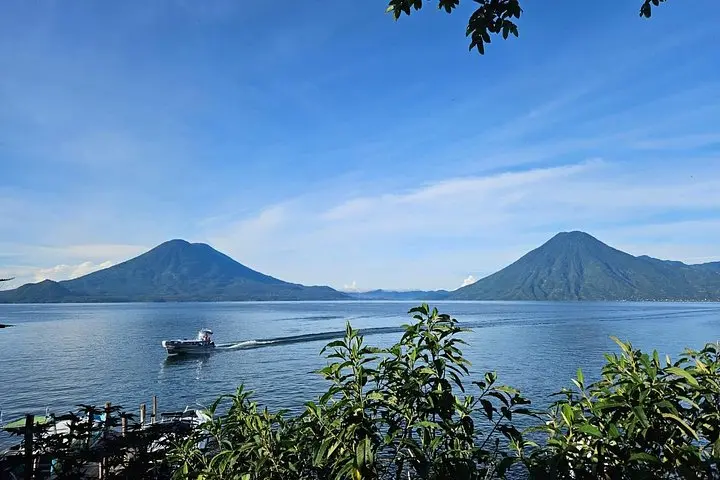
You step off the boat and the lake breathes around you—cool wind pushing across glassy water, three volcanoes rising like slow-moving guards on the skyline. The pier in San Juan La Laguna smells of wood smoke and coffee; women in woven huipiles exchange nods and colors as you walk toward murals and craft cooperatives.
Verified experiences and guided adventures in the surrounding area.
Operated by Colonial Travel Agency · Panajachel, Sololá
You step off the boat and the lake breathes around you—cool wind pushing across glassy water, three volcanoes rising like slow-moving guards on the skyline. The pier in San Juan La Laguna smells of wood smoke and coffee; women in woven huipiles exchange nods and colors as you walk toward murals and craft cooperatives.
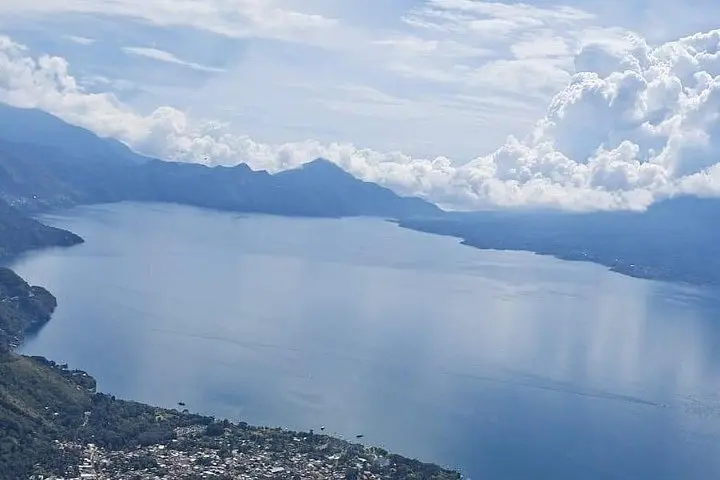
Lake Atitlán is a tectonic bowl carved by volcanic collapse and shaped by centuries of Maya life. The three dominant volcanoes—San Pedro, Tolimán and Atitlán—frame the water and create dramatic microclimates that feed coffee farms and corn terraces. Towns on the shore are Tzutujil and Kaqchikel Maya communities where traditional weaving and natural-dye workshops persist alongside small cafés and boat landings.
A full-day tour typically blends short boat hops between villages with walking through markets, artisan workshops and lakeside viewpoints. Expect narrow cobbled alleys, stepped paths, and steep plazas—terrain that rewards steady shoes rather than speed. The lake itself can push a stiff breeze in the afternoon; visibility is clearest in the dry season when volcano silhouettes sharpen.
Practical guide: start early from Antigua or Panajachel to avoid late-afternoon crosswinds, carry small bills for purchases and tips, and plan for 12–13 hours including transport. Hydrate for the elevation (1,500–1,600 m in many villages), dress in layers for sun and sudden showers, and keep electronics dry on boat crossings. The day balances cultural exchange with easy walking and panoramic moments—an immersive, doable way to meet living Mayan traditions while letting the lake’s moods steer the pace.
Expect about 12–13 hours door-to-door if departing from Antigua; tours often include multiple boat crossings and village visits.
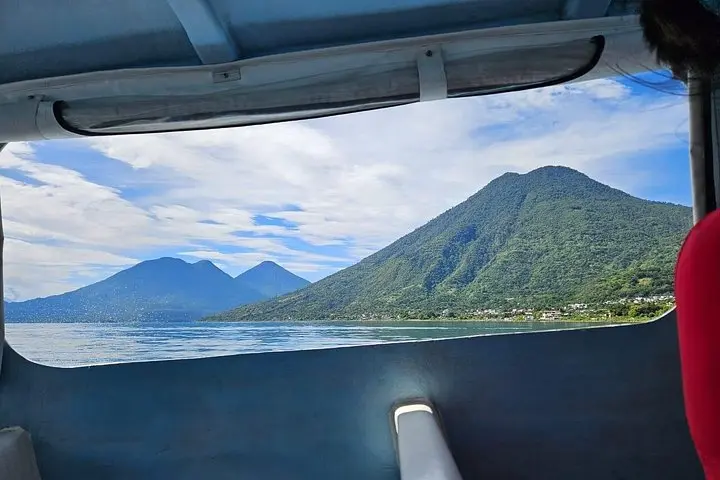
Yes—local passenger boats are commonly used for village hops; operators usually provide life jackets, but bring a dry bag for valuables.
Yes—small vendors, cooperatives and tip-based guides typically accept only cash in quetzales; ATMs are limited in smaller towns.
Lake Atitlán sits around 1,500–1,600 meters above sea level; most visitors experience mild effects—hydrate, eat, and move at a steady pace.
Colonial Travel Agency operates guided outdoor trips and adventures with an emphasis on safety, stewardship, and memorable experiences.
You step off the boat and the lake breathes around you—cool wind pushing across glassy water, three volcanoes rising like slow-moving guards on the skyline. The pier in San Juan La Laguna smells of wood smoke and coffee; women in woven huipiles exchange nods and colors as you walk toward murals and craft cooperatives.
You step off the boat and the lake breathes around you—cool wind pushing across glassy water, three volcanoes rising like slow-moving guards on the skyline. The pier in San Juan La Laguna smells of wood smoke and coffee; women in woven huipiles exchange nods and colors as you walk toward murals and craft cooperatives.
Lake Atitlán is a tectonic bowl carved by volcanic collapse and shaped by centuries of Maya life. The three dominant volcanoes—San Pedro, Tolimán and Atitlán—frame the water and create dramatic microclimates that feed coffee farms and corn terraces. Towns on the shore are Tzutujil and Kaqchikel Maya communities where traditional weaving and natural-dye workshops persist alongside small cafés and boat landings.
A full-day tour typically blends short boat hops between villages with walking through markets, artisan workshops and lakeside viewpoints. Expect narrow cobbled alleys, stepped paths, and steep plazas—terrain that rewards steady shoes rather than speed. The lake itself can push a stiff breeze in the afternoon; visibility is clearest in the dry season when volcano silhouettes sharpen.
Practical guide: start early from Antigua or Panajachel to avoid late-afternoon crosswinds, carry small bills for purchases and tips, and plan for 12–13 hours including transport. Hydrate for the elevation (1,500–1,600 m in many villages), dress in layers for sun and sudden showers, and keep electronics dry on boat crossings. The day balances cultural exchange with easy walking and panoramic moments—an immersive, doable way to meet living Mayan traditions while letting the lake’s moods steer the pace.