THE ADVENTURE COLLECTIVE® · Independent discovery and booking for outdoor travel

Explore Lake Titicaca’s floating Uros islands and the UNESCO-recognized weaving culture of Taquile on a full-day tour from Puno. Expect boat transfers, hands-on cultural demonstrations, a village walk and a typical Peruvian lunch at altitude.
Explore Lake Titicaca’s floating Uros islands and the UNESCO-recognized weaving culture of Taquile on a full-day tour from Puno. Expect boat transfers, hands-on cultural demonstrations, a village walk and a typical Peruvian lunch at altitude.
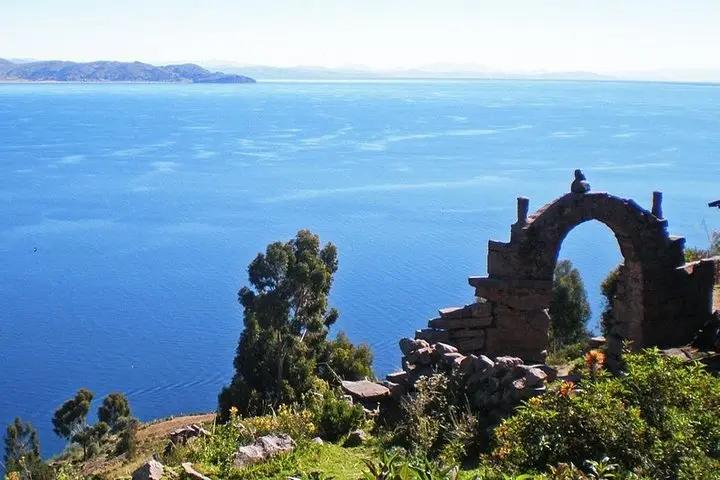
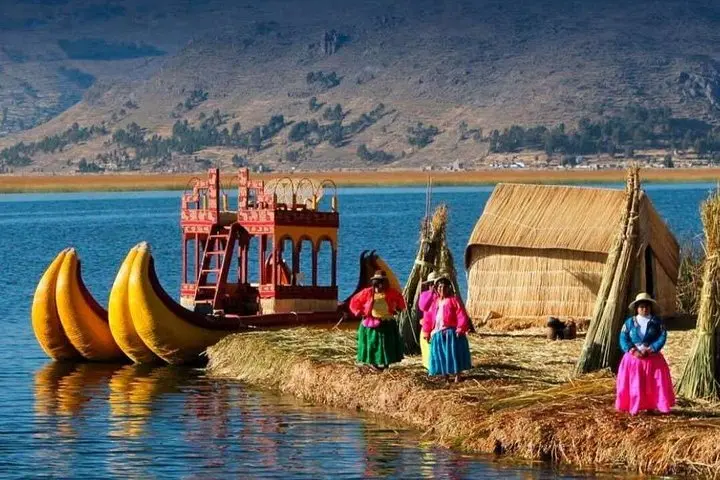
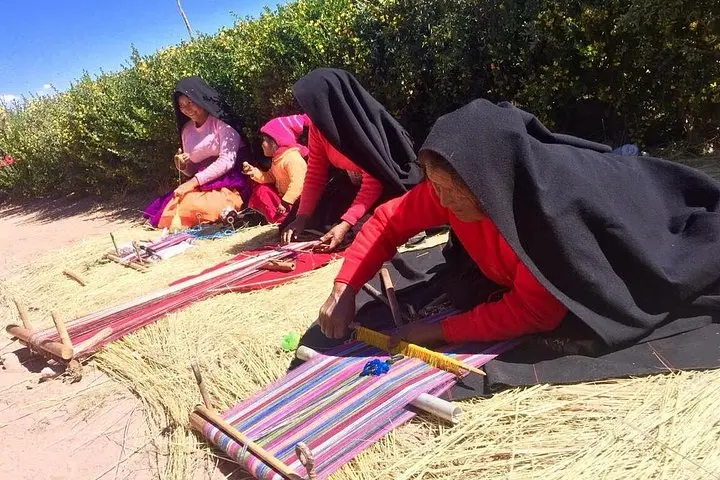
The sun sits flat over a lake that could be mistaken for an ocean; wind lifts bright strips of reed and the motorboat cuts a clean wake toward islands that float and islands that rise from basalt. You step off in a village built on totora — layered, lashed reed platforms that still breathe as their makers repair them — and the guide's voice explains lineage, weaving patterns and the logic of dyes made from local plants.
Verified experiences and guided adventures in the surrounding area.
Operated by Inversiones Andean Fusion Sociedad Anonima Cerrada - Inanfu S.A.C. · Puno, Puno
The sun sits flat over a lake that could be mistaken for an ocean; wind lifts bright strips of reed and the motorboat cuts a clean wake toward islands that float and islands that rise from basalt. You step off in a village built on totora — layered, lashed reed platforms that still breathe as their makers repair them — and the guide's voice explains lineage, weaving patterns and the logic of dyes made from local plants.
Lake Titicaca’s high plain holds human stories carved by geology and climate: a basin formed by tectonic uplift, rimmed by Andean slopes and lubricated by glacial melt. Uros islands are engineered responses to environment — artificial land that keeps a community afloat — while Taquile is a compact natural island where textiles and rituals earned UNESCO recognition for intangible heritage. Both places reveal Aymara and Quechua influences in dress, language and communal life.
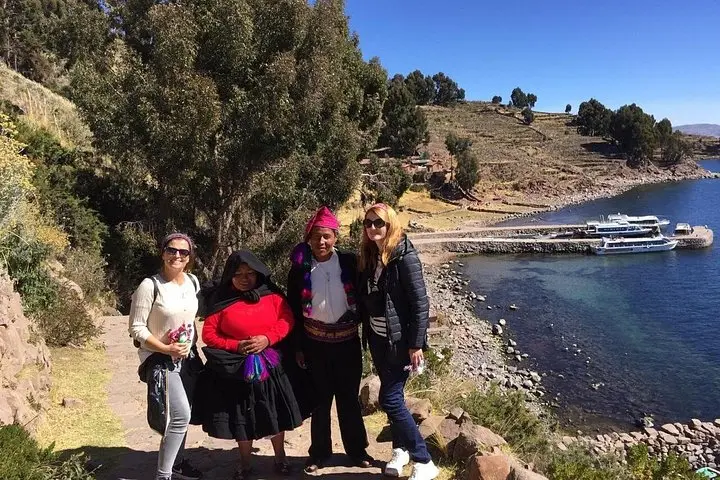
Practically, expect an all-day schedule from Puno with hotel pickup, roughly 1–2 hours on Uros, then a 1 hour 20 minute ride to Taquile where a 40-minute village walk and a shared, typical lunch are included. Altitude is high (around 3,800–3,950 m): move deliberately, hydrate, and let the air set the pace. Terrain is flat but uneven on reed paths and stone streets; wear grippy shoes and sun protection. Photography, conversation and slow observation are the day's currency — come ready to learn, buy local handicrafts if you wish, and leave with a clearer sense of how communities adapt to a challenging, beautiful lake.
The tour runs about 8–9 hours from Puno and includes hotel pickup/drop-off, round-trip boat transport, an English-speaking guide and lunch on Taquile.
Yes—it's rated easy physically, but consider altitude sensitivity; infants must sit on laps per operator policy.
Yes, both Uros and Taquile have local artisans selling textiles and small crafts—carry local currency and be prepared to bargain politely.
Yes, a current valid passport is required to board the boat and for tour documentation, so bring it on the day.
Inversiones Andean Fusion Sociedad Anonima Cerrada - Inanfu S.A.C. operates guided outdoor trips and adventures with an emphasis on safety, stewardship, and memorable experiences.
The sun sits flat over a lake that could be mistaken for an ocean; wind lifts bright strips of reed and the motorboat cuts a clean wake toward islands that float and islands that rise from basalt. You step off in a village built on totora — layered, lashed reed platforms that still breathe as their makers repair them — and the guide's voice explains lineage, weaving patterns and the logic of dyes made from local plants.
The sun sits flat over a lake that could be mistaken for an ocean; wind lifts bright strips of reed and the motorboat cuts a clean wake toward islands that float and islands that rise from basalt. You step off in a village built on totora — layered, lashed reed platforms that still breathe as their makers repair them — and the guide's voice explains lineage, weaving patterns and the logic of dyes made from local plants.
Lake Titicaca’s high plain holds human stories carved by geology and climate: a basin formed by tectonic uplift, rimmed by Andean slopes and lubricated by glacial melt. Uros islands are engineered responses to environment — artificial land that keeps a community afloat — while Taquile is a compact natural island where textiles and rituals earned UNESCO recognition for intangible heritage. Both places reveal Aymara and Quechua influences in dress, language and communal life.
Practically, expect an all-day schedule from Puno with hotel pickup, roughly 1–2 hours on Uros, then a 1 hour 20 minute ride to Taquile where a 40-minute village walk and a shared, typical lunch are included. Altitude is high (around 3,800–3,950 m): move deliberately, hydrate, and let the air set the pace. Terrain is flat but uneven on reed paths and stone streets; wear grippy shoes and sun protection. Photography, conversation and slow observation are the day's currency — come ready to learn, buy local handicrafts if you wish, and leave with a clearer sense of how communities adapt to a challenging, beautiful lake.