THE ADVENTURE COLLECTIVE® · Independent discovery and booking for outdoor travel

Spend a long day on Lake Titicaca visiting Uros’s floating reed islands, climbing to the summit temple on Amantani, and learning Taquile’s UNESCO-recognized weaving traditions. This full-day tour from Puno blends scenic boat crossings with uphill walks and intimate cultural exchanges.
Spend a long day on Lake Titicaca visiting Uros’s floating reed islands, climbing to the summit temple on Amantani, and learning Taquile’s UNESCO-recognized weaving traditions. This full-day tour from Puno blends scenic boat crossings with uphill walks and intimate cultural exchanges.
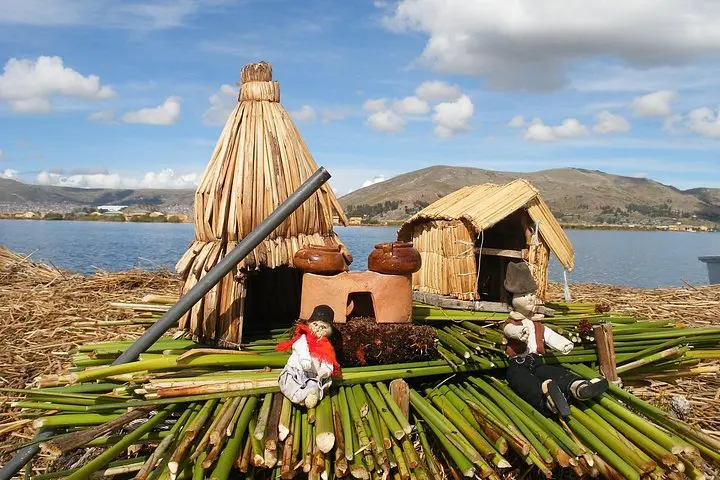
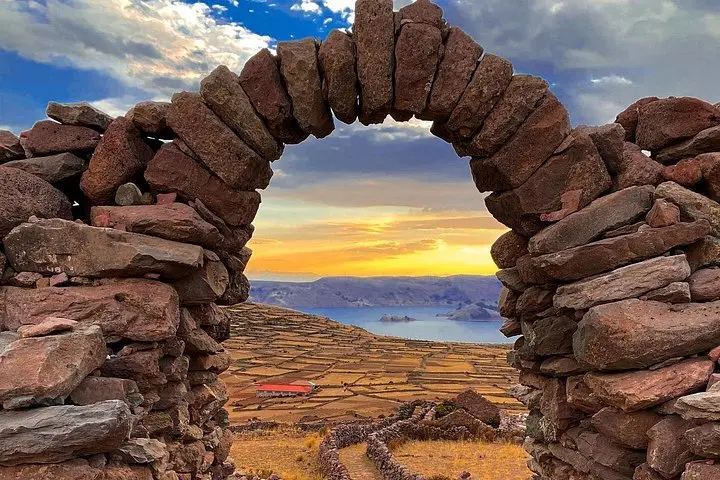
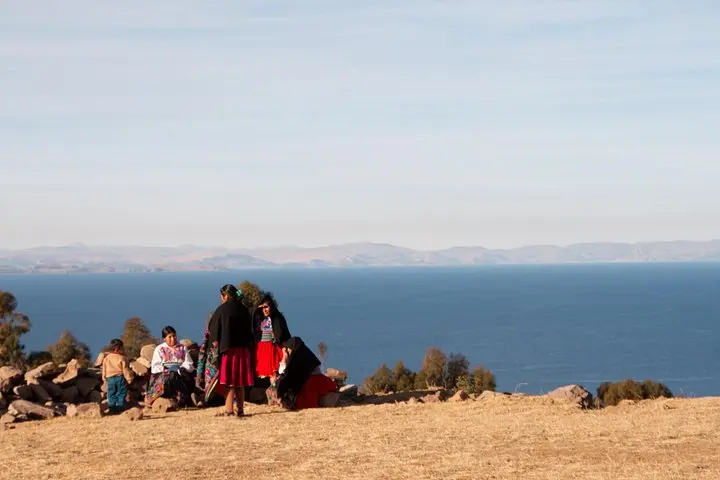
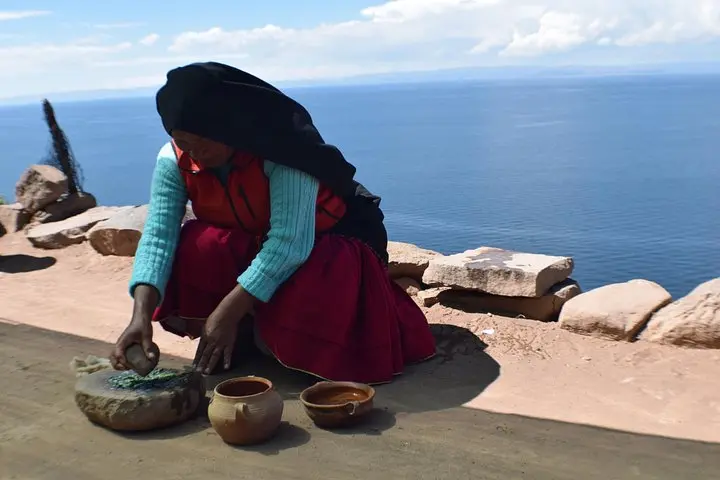
Early light on Lake Titicaca turns the water into a moving sheet of glass; the covered boat slips away from Puno and the wind immediately begins to tell its story, nudging the bow toward reed islands and volcanic slopes. On this long day you’ll trade the town’s plaza for three distinct island lives — the floating reed villages of Uros, the terraced fields and summit temples of Amantani, and Taquile’s cloth-woven terraces that stare across the lake.
Verified experiences and guided adventures in the surrounding area.
Operated by Inca Lake · Puno, Puno
Early light on Lake Titicaca turns the water into a moving sheet of glass; the covered boat slips away from Puno and the wind immediately begins to tell its story, nudging the bow toward reed islands and volcanic slopes. On this long day you’ll trade the town’s plaza for three distinct island lives — the floating reed villages of Uros, the terraced fields and summit temples of Amantani, and Taquile’s cloth-woven terraces that stare across the lake.
Geology and history are visible at once: Titicaca is the highest navigable lake in the world, carved by glacial and tectonic forces and rimmed by Andean communities that predate the Spanish. Uros people maintain centuries-old totora reed craft that literally keeps islands afloat; Amantani preserves pre-Inca ceremonial sites dedicated to Pachamama; Taquile’s textile language—recognized by UNESCO—records social codes in color and stitch.
Expect repeated short hikes: a 30–40 minute uphill to Amantani’s summit temple and a 30-minute ascent from Taquile’s port to its main square, punctuated by long scenic crossings. Cultural encounters are hands-on—home breakfasts, market stalls, weaving demonstrations—and guides bridge language and context.
Practical advice: acclimate in Puno for 24–48 hours, pack layers for high sun and cold breezes, bring cash for small purchases and optional reed-boat rides, and wear broken-in hiking shoes for uneven stone steps. Water, sunscreen, and patience for changing weather will make the day both comfortable and memorable.
Puno sits near 3,800 m (12,500 ft). Altitude sickness is possible—allow a day to acclimate, hydrate, eat lightly, and ascend slowly; consult a doctor if you have concerns.
The boat has a bathroom onboard and there are basic facilities on the islands, but expect limited amenities and bring hand sanitizer and tissues.
The tour involves steep, uneven trails and stairs; it’s not recommended for travelers with serious mobility constraints or spinal problems, and children should be capable of moderate hikes.
Carry Peruvian soles in small denominations—many locals accept only cash; some vendors may accept cards in Taquile but don’t rely on them.
Inca Lake operates guided outdoor trips and adventures with an emphasis on safety, stewardship, and memorable experiences.
Early light on Lake Titicaca turns the water into a moving sheet of glass; the covered boat slips away from Puno and the wind immediately begins to tell its story, nudging the bow toward reed islands and volcanic slopes. On this long day you’ll trade the town’s plaza for three distinct island lives — the floating reed villages of Uros, the terraced fields and summit temples of Amantani, and Taquile’s cloth-woven terraces that stare across the lake.
Early light on Lake Titicaca turns the water into a moving sheet of glass; the covered boat slips away from Puno and the wind immediately begins to tell its story, nudging the bow toward reed islands and volcanic slopes. On this long day you’ll trade the town’s plaza for three distinct island lives — the floating reed villages of Uros, the terraced fields and summit temples of Amantani, and Taquile’s cloth-woven terraces that stare across the lake.
Geology and history are visible at once: Titicaca is the highest navigable lake in the world, carved by glacial and tectonic forces and rimmed by Andean communities that predate the Spanish. Uros people maintain centuries-old totora reed craft that literally keeps islands afloat; Amantani preserves pre-Inca ceremonial sites dedicated to Pachamama; Taquile’s textile language—recognized by UNESCO—records social codes in color and stitch.
Expect repeated short hikes: a 30–40 minute uphill to Amantani’s summit temple and a 30-minute ascent from Taquile’s port to its main square, punctuated by long scenic crossings. Cultural encounters are hands-on—home breakfasts, market stalls, weaving demonstrations—and guides bridge language and context.
Practical advice: acclimate in Puno for 24–48 hours, pack layers for high sun and cold breezes, bring cash for small purchases and optional reed-boat rides, and wear broken-in hiking shoes for uneven stone steps. Water, sunscreen, and patience for changing weather will make the day both comfortable and memorable.