THE ADVENTURE COLLECTIVE® · Independent discovery and booking for outdoor travel

Explore Lalibela’s eleven rock-hewn churches in a single day with an expert guide and transfer. This full-day tour combines architectural wonder, living liturgy and highland vistas—ideal for travelers seeking cultural depth with practical logistics handled.
Explore Lalibela’s eleven rock-hewn churches in a single day with an expert guide and transfer. This full-day tour combines architectural wonder, living liturgy and highland vistas—ideal for travelers seeking cultural depth with practical logistics handled.
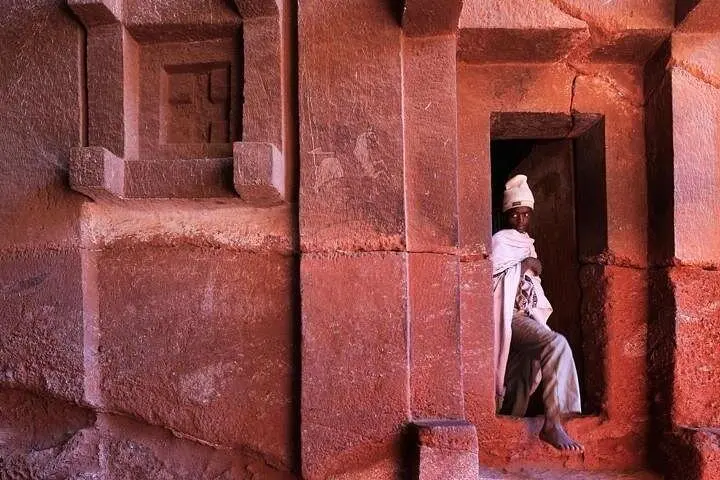
Morning light slices across the highland plateaus and the red volcanic rock of Lalibela glows like warmed brick. You step from an air-conditioned vehicle onto cobbled lanes where incense and coffee smoke thread the air; the town hums gently with pilgrims preparing for the day.
Verified experiences and guided adventures in the surrounding area.
Operated by GishAbay Ethiopia Tours · Lalibela, Amhara
Morning light slices across the highland plateaus and the red volcanic rock of Lalibela glows like warmed brick. You step from an air-conditioned vehicle onto cobbled lanes where incense and coffee smoke thread the air; the town hums gently with pilgrims preparing for the day.
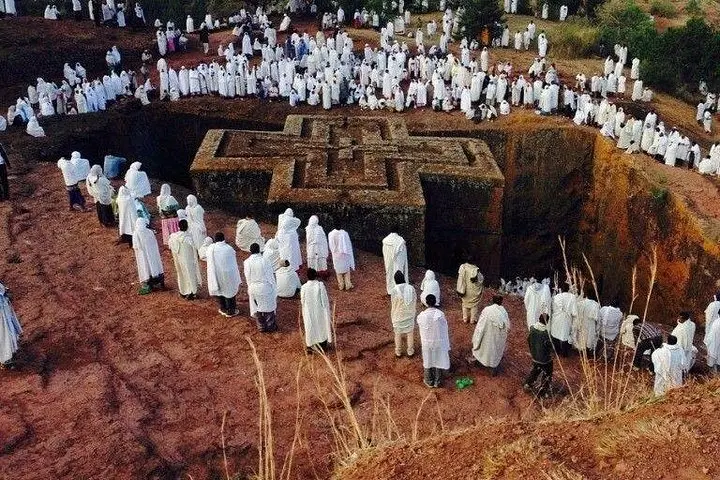
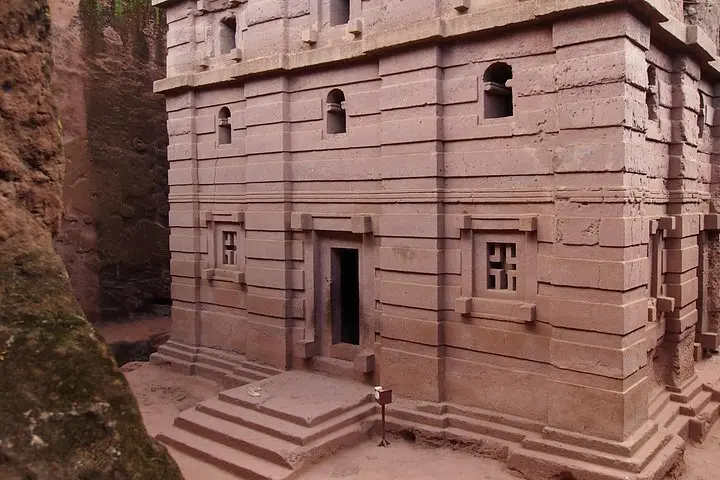
The itinerary moves deliberately through two church complexes carved in the 12th–13th centuries under King Lalibela. These monolithic churches—cut downward from single blocks of volcanic tuff—offer tight passages, deliberate courtyards and engineering that reoriented stone into sacred space. St. George (Bete Giyorgis) stands apart, a cruciform silhouette sunk into the earth and visible from the ridge above; other churches cluster in northwestern and southeastern groups, each with distinct masonry, reliefs and baptismal pits.
Culturally, Lalibela remains a living spiritual center: services, fasting, and liturgical chant continue here, and local guides often double as custodians of oral history. Geologically, the soft tuff made precision carving feasible, but it also demands conservation—touch less, photograph more selectively during worship.
Practical guidance: expect six to seven hours of walking and standing on uneven stone and stepped paths; wear grippy shoes and modest clothing that covers shoulders and knees. Bring sunscreen, a refillable water bottle, and small cash for temple donations or local coffee ceremonies. The highland air is dry and cool—layers help. Confirm pickup details and show your admission receipts; many sites limit group sizes during peak liturgical times.
A full day here is part archaeology lesson, part pilgrimage—a measured, immersive walk through Ethiopian Christian history best approached with curiosity and respect.
Yes—this tour includes admission to the listed churches as noted in the itinerary, but carry small cash for donations or extra museum fees.
Transportation and some viewpoints may be accessible, but many churches have steps and narrow passages; contact the operator if you require full accessibility accommodations.
The dry months (October to February) offer clearer skies and cooler temperatures; however, religious festivals like Ethiopian Christmas draw pilgrims and create a unique atmosphere.
Photography is generally allowed, but be respectful during services and follow any rules posted at each site or instructions from your guide.
GishAbay Ethiopia Tours operates guided outdoor trips and adventures with an emphasis on safety, stewardship, and memorable experiences.

Morning light slices across the highland plateaus and the red volcanic rock of Lalibela glows like warmed brick. You step from an air-conditioned vehicle onto cobbled lanes where incense and coffee smoke thread the air; the town hums gently with pilgrims preparing for the day.
Morning light slices across the highland plateaus and the red volcanic rock of Lalibela glows like warmed brick. You step from an air-conditioned vehicle onto cobbled lanes where incense and coffee smoke thread the air; the town hums gently with pilgrims preparing for the day.
The itinerary moves deliberately through two church complexes carved in the 12th–13th centuries under King Lalibela. These monolithic churches—cut downward from single blocks of volcanic tuff—offer tight passages, deliberate courtyards and engineering that reoriented stone into sacred space. St. George (Bete Giyorgis) stands apart, a cruciform silhouette sunk into the earth and visible from the ridge above; other churches cluster in northwestern and southeastern groups, each with distinct masonry, reliefs and baptismal pits.
Culturally, Lalibela remains a living spiritual center: services, fasting, and liturgical chant continue here, and local guides often double as custodians of oral history. Geologically, the soft tuff made precision carving feasible, but it also demands conservation—touch less, photograph more selectively during worship.
Practical guidance: expect six to seven hours of walking and standing on uneven stone and stepped paths; wear grippy shoes and modest clothing that covers shoulders and knees. Bring sunscreen, a refillable water bottle, and small cash for temple donations or local coffee ceremonies. The highland air is dry and cool—layers help. Confirm pickup details and show your admission receipts; many sites limit group sizes during peak liturgical times.
A full day here is part archaeology lesson, part pilgrimage—a measured, immersive walk through Ethiopian Christian history best approached with curiosity and respect.