THE ADVENTURE COLLECTIVE® · Independent discovery and booking for outdoor travel

Stand beneath the world’s largest carved stone Buddha and follow a one-day arc from Chengdu’s streets into Tibetan-flavored alleys. This private full-day tour pairs up-close time at Leshan Giant Buddha with a measured introduction to Tibetan culture in Chengdu.
Stand beneath the world’s largest carved stone Buddha and follow a one-day arc from Chengdu’s streets into Tibetan-flavored alleys. This private full-day tour pairs up-close time at Leshan Giant Buddha with a measured introduction to Tibetan culture in Chengdu.
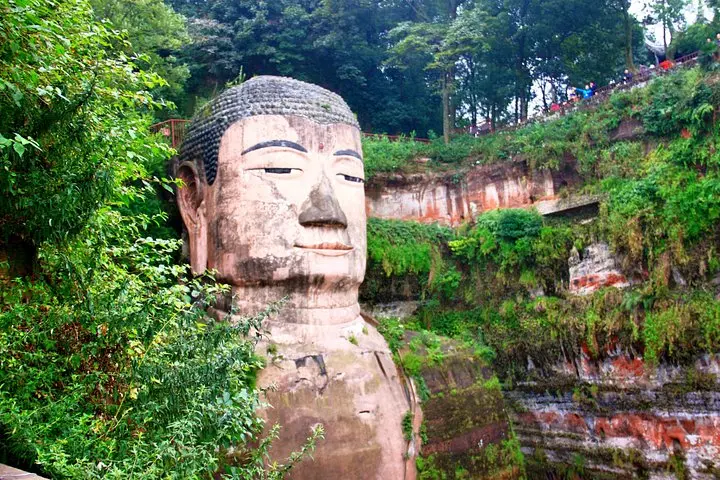
Morning light slides across the Minjiang River as the carved face of the Leshan Giant Buddha opens into view—an enormous stone gaze hewn from the red-cliff, watching boats skim beneath its feet. You arrive by private vehicle from Chengdu, stepping off the bus into a corridor of stone steps, river breeze, and the persistent chant of temple bells. The path climbs and folds around terraces, each viewpoint reframing the Buddha’s scale and the sweep of the river below.
Verified experiences and guided adventures in the surrounding area.
Operated by Jiuzhai Minjiang International Travel Service · Leshan, Sichuan
Morning light slides across the Minjiang River as the carved face of the Leshan Giant Buddha opens into view—an enormous stone gaze hewn from the red-cliff, watching boats skim beneath its feet. You arrive by private vehicle from Chengdu, stepping off the bus into a corridor of stone steps, river breeze, and the persistent chant of temple bells. The path climbs and folds around terraces, each viewpoint reframing the Buddha’s scale and the sweep of the river below.
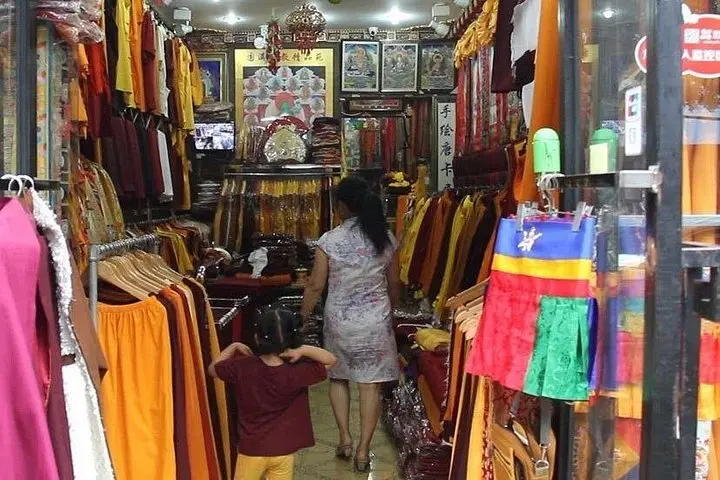
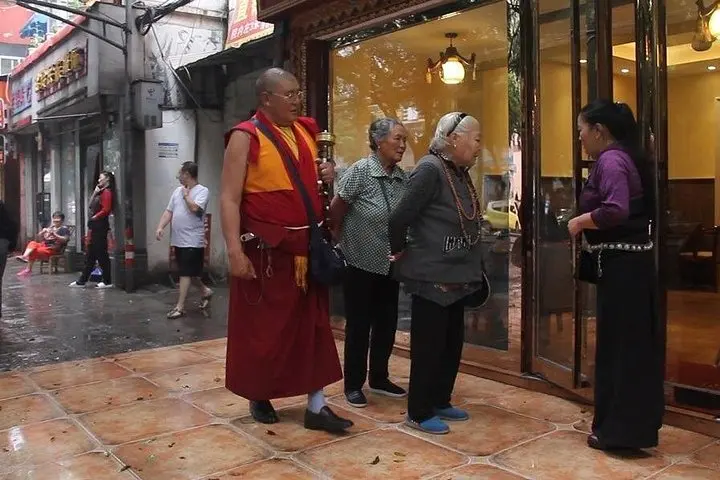
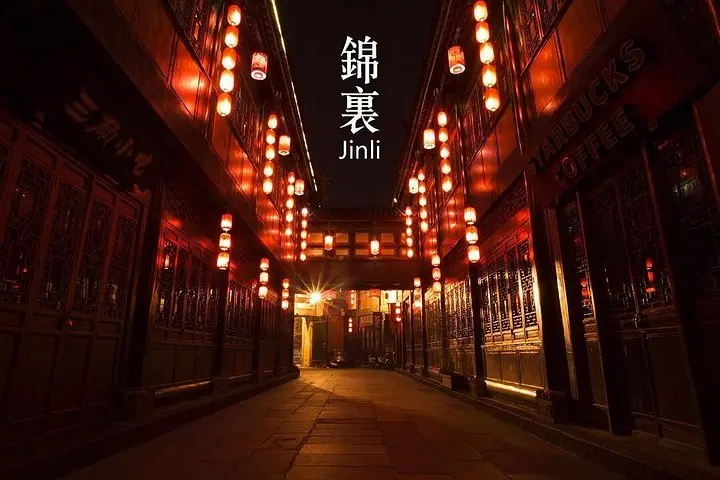
Built between 713 and 803 by the monk Haitong, the Buddha was engineered to calm dangerous river currents and stands as both religious monument and hydraulic landmark. The rock is Sichuan red sandstone; centuries of weather and conservation work have shaped the face you see today. After the statue, the tour moves into Chengdu’s Tibetan Quarter—streets where prayer flags brush shop awnings and khampa attitudes meet Sichuan flavours—then on to Jingli Old Street for a late-afternoon stroll.
Expect a day of steady walks on uneven stone steps and crowded viewpoints; the reward is intimate access to a UNESCO-entry landscape and a concentrated taste of Tibetan culture without the high-altitude commitment.
Practical edge: bring sturdy walking shoes, sun and rain protection, and small bills for temple donations and street snacks. Allow extra time for photography, and if you’re sensitive to crowds, plan the visit early in the day when light and space are kinder. The tour’s private transport simplifies logistics—just be ready to move at the group’s pace.
Yes—this private full-day tour includes admission to the Leshan Giant Buddha viewpoints as noted in the itinerary.
Drive time is roughly 1.5–2 hours each way depending on traffic; the itinerary schedules stops to account for transfers.
The tour is family-friendly but involves many steps and walking; infants must sit on laps and those with mobility limits should consider assistance.
Vegetarian options are available and operators ask you to note allergies or restrictions at booking so they can arrange meals.
Jiuzhai Minjiang International Travel Service operates guided outdoor trips and adventures with an emphasis on safety, stewardship, and memorable experiences.
Morning light slides across the Minjiang River as the carved face of the Leshan Giant Buddha opens into view—an enormous stone gaze hewn from the red-cliff, watching boats skim beneath its feet. You arrive by private vehicle from Chengdu, stepping off the bus into a corridor of stone steps, river breeze, and the persistent chant of temple bells. The path climbs and folds around terraces, each viewpoint reframing the Buddha’s scale and the sweep of the river below.
Morning light slides across the Minjiang River as the carved face of the Leshan Giant Buddha opens into view—an enormous stone gaze hewn from the red-cliff, watching boats skim beneath its feet. You arrive by private vehicle from Chengdu, stepping off the bus into a corridor of stone steps, river breeze, and the persistent chant of temple bells. The path climbs and folds around terraces, each viewpoint reframing the Buddha’s scale and the sweep of the river below.
Built between 713 and 803 by the monk Haitong, the Buddha was engineered to calm dangerous river currents and stands as both religious monument and hydraulic landmark. The rock is Sichuan red sandstone; centuries of weather and conservation work have shaped the face you see today. After the statue, the tour moves into Chengdu’s Tibetan Quarter—streets where prayer flags brush shop awnings and khampa attitudes meet Sichuan flavours—then on to Jingli Old Street for a late-afternoon stroll.
Expect a day of steady walks on uneven stone steps and crowded viewpoints; the reward is intimate access to a UNESCO-entry landscape and a concentrated taste of Tibetan culture without the high-altitude commitment.
Practical edge: bring sturdy walking shoes, sun and rain protection, and small bills for temple donations and street snacks. Allow extra time for photography, and if you’re sensitive to crowds, plan the visit early in the day when light and space are kinder. The tour’s private transport simplifies logistics—just be ready to move at the group’s pace.