
Full-Day Luxor by Plane from Cairo — Valley of the Kings, Karnak & Hatshepsut
Fly from Cairo for a concentrated day in Luxor: Valley of the Kings, Hatshepsut’s temple, Colossi of Memnon and the Karnak–Luxor complex. Expect a long, guided day with early pickup, optional tomb extras, and stretches of desert and Nile-side walking.
An Adventure In Cairo.
Fly from Cairo for a concentrated day in Luxor: Valley of the Kings, Hatshepsut’s temple, Colossi of Memnon and the Karnak–Luxor complex. Expect a long, guided day with early pickup, optional tomb extras, and stretches of desert and Nile-side walking.
Read the full experience
Daybreak in Cairo is still heavy with city heat when a private transfer pulls away toward the airport, but within an hour the Nile has reasserted itself: in Luxor it stretches wide, patient and daring, slicing the desert into east and west banks. This full-day tour compresses millennia into twelve hours — tomb corridors, temple courtyards, and a causeway that once ferried processions of gods.
Daybreak in Cairo is still heavy with city heat when a private transfer pulls away toward the airport, but within an hour the Nile has reasserted itself: in Luxor it stretches wide, patient and daring, slicing the desert into east and west banks. This full-day tour compresses millennia into twelve hours — tomb corridors, temple courtyards, and a causeway that once ferried processions of gods.
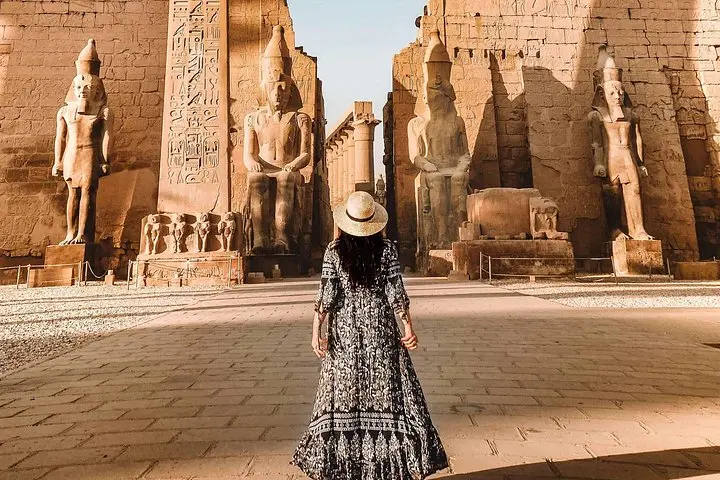
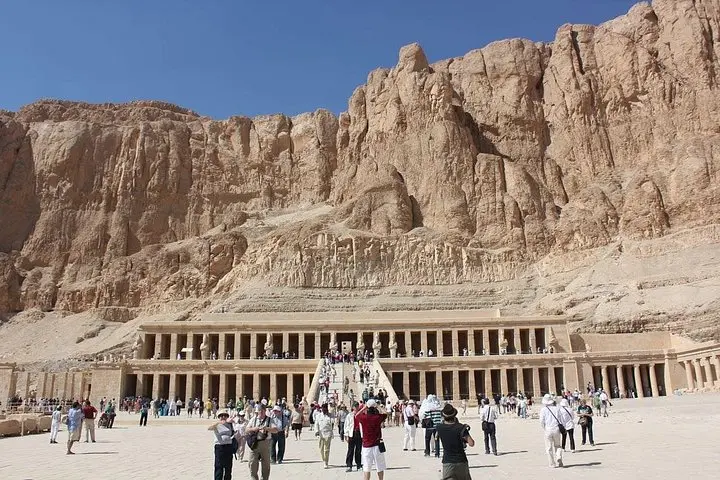
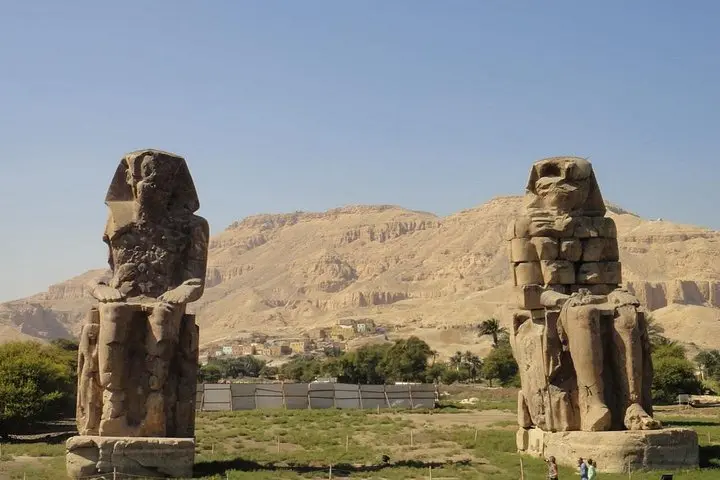
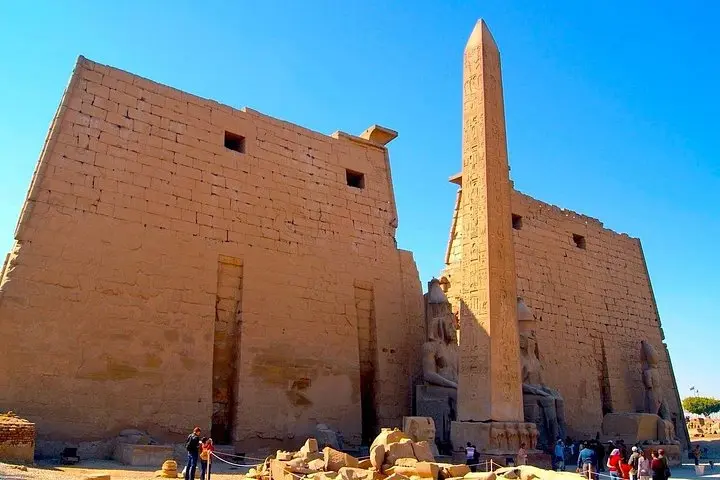
The program moves fast: the West Bank’s Valley of the Kings where pharaohs carved burial chambers into limestone; Deir el-Bahari and Hatshepsut’s terraced mortuary temple with its austere lines cut into cliff rock; the Colossi of Memnon, two enormous seated statues watching the river. Cross to the East Bank for Luxor and Karnak — Karnak’s hypostyle hall still reads like an ancient city of columns, where the stone still seems to remember chants and procession ropes.
Geology here is plain: soft limestone and sandstone shaped tomb chambers and façades, the desert wind finishing the job. Culturally, Luxor is the modern heir to Thebes; local guides thread myths and facts together, balancing reverence with practical route plans.
Practically: expect a long day with walking on uneven floors, intermittent shade, and strong sun. Bring a passport copy (required for booking), cash for onsite tickets or the optional King Tutankhamen tomb, and comfortable shoes. Timing matters: mornings are cooler for open-air sites, and the Karnak complex is less crowded midday. Respect site rules: no flash photography in most tombs and avoid touching reliefs. With preparation, a plane hop from Cairo turns a single day into a deep, tangible lesson in ancient Egypt.
Frequently asked questions
No — access to King Tutankhamen’s tomb is often an optional, limited‑capacity ticket that may require an additional fee booked separately.
Pickup depends on flight availability and can be very early (around 3:30 AM) to match domestic flight schedules to Luxor.
The tour is family-friendly but involves walking and stairs; travelers with serious mobility issues or pregnancy are advised against participating per provider notes.
International travelers should carry their passport; visa requirements depend on nationality — check Egyptian entry rules before travel and provide passport details during booking.
About This Experience
Emo Tours Egypt operates guided outdoor trips and adventures with an emphasis on safety, stewardship, and memorable experiences.
Adventure tips
Recommended gear
- Sun hat or cap: Shields your face during long outdoor visits to temple courtyards.
- Sturdy walking shoes: Provides grip and support on uneven stone floors and sandy paths.
- Refillable water bottle: Reduces plastic use and keeps you hydrated during long, hot stretches.
- Light layers and scarf: A light layer keeps you comfortable in air-conditioned transfers and a scarf can protect from sand and sun.
Photos of the experience
Related adventures & guides
Read the full experience
Daybreak in Cairo is still heavy with city heat when a private transfer pulls away toward the airport, but within an hour the Nile has reasserted itself: in Luxor it stretches wide, patient and daring, slicing the desert into east and west banks. This full-day tour compresses millennia into twelve hours — tomb corridors, temple courtyards, and a causeway that once ferried processions of gods.
Daybreak in Cairo is still heavy with city heat when a private transfer pulls away toward the airport, but within an hour the Nile has reasserted itself: in Luxor it stretches wide, patient and daring, slicing the desert into east and west banks. This full-day tour compresses millennia into twelve hours — tomb corridors, temple courtyards, and a causeway that once ferried processions of gods.
The program moves fast: the West Bank’s Valley of the Kings where pharaohs carved burial chambers into limestone; Deir el-Bahari and Hatshepsut’s terraced mortuary temple with its austere lines cut into cliff rock; the Colossi of Memnon, two enormous seated statues watching the river. Cross to the East Bank for Luxor and Karnak — Karnak’s hypostyle hall still reads like an ancient city of columns, where the stone still seems to remember chants and procession ropes.
Geology here is plain: soft limestone and sandstone shaped tomb chambers and façades, the desert wind finishing the job. Culturally, Luxor is the modern heir to Thebes; local guides thread myths and facts together, balancing reverence with practical route plans.
Practically: expect a long day with walking on uneven floors, intermittent shade, and strong sun. Bring a passport copy (required for booking), cash for onsite tickets or the optional King Tutankhamen tomb, and comfortable shoes. Timing matters: mornings are cooler for open-air sites, and the Karnak complex is less crowded midday. Respect site rules: no flash photography in most tombs and avoid touching reliefs. With preparation, a plane hop from Cairo turns a single day into a deep, tangible lesson in ancient Egypt.
Make a day of it nearby.
Verified experiences and guided adventures in the surrounding area.