
Full-Day Luxor Highlights from Cairo: Valley of the Kings, Karnak & Hatshepsut
Fly from Cairo for a full-day private tour that covers the Valley of the Kings, Hatshepsut’s temple, the Colossi of Memnon and the Karnak complex. Expect long days, exposed ruins, and concentrated history amid Nile-side landscapes.
An Adventure In Luxor.
Fly from Cairo for a full-day private tour that covers the Valley of the Kings, Hatshepsut’s temple, the Colossi of Memnon and the Karnak complex. Expect long days, exposed ruins, and concentrated history amid Nile-side landscapes.
Read the full experience
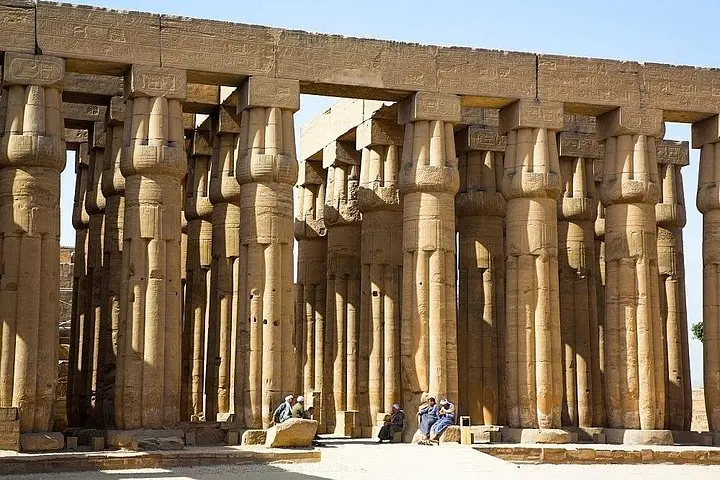
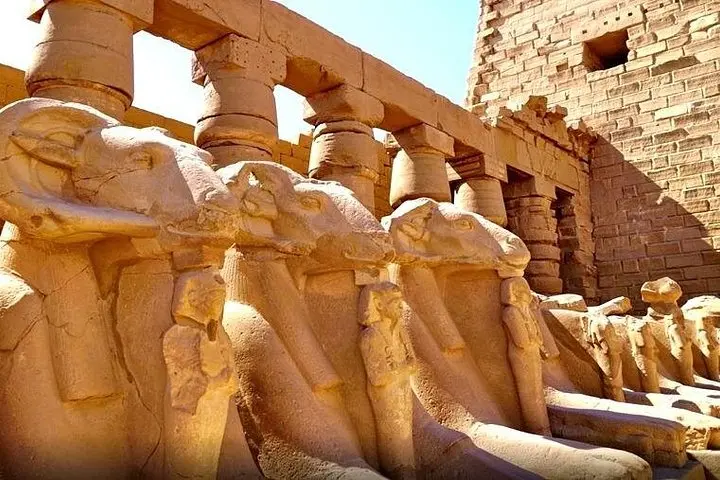
You step off a short morning flight and the light over the Nile hits differently here — harsher, clearer, demanding attention. Along the river the city spreads low and ancient; columns rise like memory, and the desert beyond leans against carved rock. This private full-day loop from Cairo moves fast: Valley of the Kings on Luxor’s West Bank, Queen Hatshepsut’s mortuary temple at Deir el-Bahari, the Colossi of Memnon, then a long afternoon among Karnak’s avenue of sphinxes and its forest of 134 hypostyle columns.
You step off a short morning flight and the light over the Nile hits differently here — harsher, clearer, demanding attention. Along the river the city spreads low and ancient; columns rise like memory, and the desert beyond leans against carved rock. This private full-day loop from Cairo moves fast: Valley of the Kings on Luxor’s West Bank, Queen Hatshepsut’s mortuary temple at Deir el-Bahari, the Colossi of Memnon, then a long afternoon among Karnak’s avenue of sphinxes and its forest of 134 hypostyle columns.
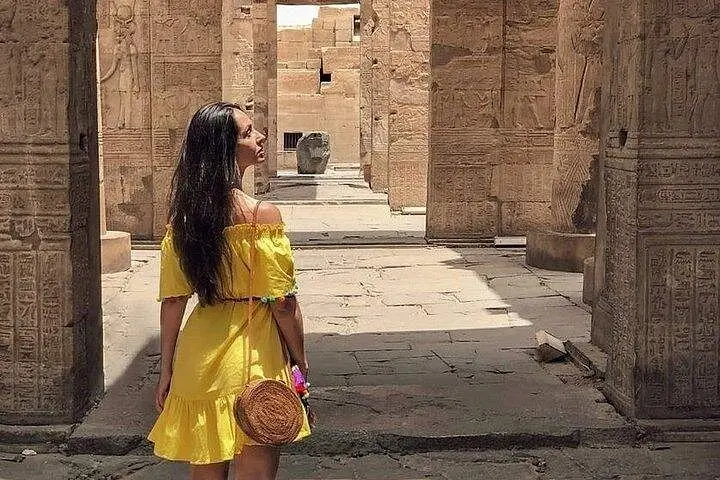
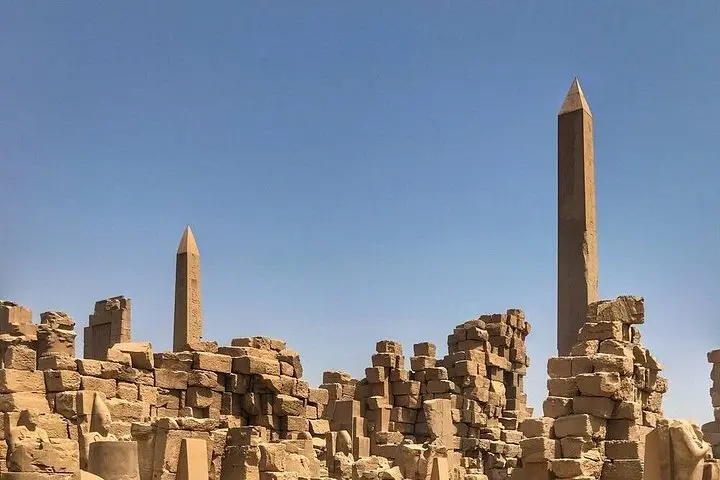
History and culture are constant companions. The Valley of the Kings is an open book of New Kingdom burial practice; Tutankhamen’s nearly intact tomb rewrote modern Egyptology. Hatshepsut’s terraces show a rare imperial female program of monumental architecture. Karnak is an accretional site where pharaohs added obelisks and pylons across centuries — you can read shifts in power in the stonework and hieroglyphs.
Geology is simple but stark: limestone cliffs on the West Bank hold cut tombs; the East Bank is flattened Nile silt. Expect mostly flat walking between monuments but uneven stone floors, short stair sections inside tombs, and open sun on temple plazas.
Practical guidance: the tour includes flights, transfers, guide, lunch and entrance fees; plan for a long day (roughly 14–17 hours total travel time from Cairo). Bring sun protection, at least 2 liters of water, comfortable closed-toe shoes for dusty, rocky surfaces, and a small daypack. Some tombs restrict photography and have low ceilings — move deliberately. Arrive early, pace your visits, and let the river’s presence anchor the day as you cross from necropolis to temple.
Frequently asked questions
The round-trip flight time is about 1 hour each way; with airport transfers and site visits expect a total door-to-door day of roughly 14–17 hours.
Yes — this tour package includes flight tickets, entrance fees to listed sites, a licensed Egyptologist guide, lunch and ground transfers as described.
Vehicles and some transfer points are accessible, but many tombs and temple areas have steps and uneven surfaces—those with limited mobility should check specifics with the operator beforehand.
Photography rules vary by tomb; some allow non-flash photos while others restrict photography to protect painted surfaces — follow site signage and your guide’s instructions.
About This Experience
Best Of Egypt Tours operates guided outdoor trips and adventures with an emphasis on safety, stewardship, and memorable experiences.
Adventure tips
Recommended gear
- Sun hat or wide-brim cap: Shields face and neck during exposed mid-day visits to temples and the Valley of the Kings.
- Reusable water bottle (2L+): Staying hydrated is critical in Luxor’s dry heat; refill at lunches or vehicle stops.
- Comfortable closed-toe walking shoes: Protects feet on rough stone, sand and steps inside tombs.
- Portable phone charger: Long days and heavy photo use drain batteries—bring a power bank for the return journey.
Photos of the experience
Related adventures & guides
Read the full experience
You step off a short morning flight and the light over the Nile hits differently here — harsher, clearer, demanding attention. Along the river the city spreads low and ancient; columns rise like memory, and the desert beyond leans against carved rock. This private full-day loop from Cairo moves fast: Valley of the Kings on Luxor’s West Bank, Queen Hatshepsut’s mortuary temple at Deir el-Bahari, the Colossi of Memnon, then a long afternoon among Karnak’s avenue of sphinxes and its forest of 134 hypostyle columns.
You step off a short morning flight and the light over the Nile hits differently here — harsher, clearer, demanding attention. Along the river the city spreads low and ancient; columns rise like memory, and the desert beyond leans against carved rock. This private full-day loop from Cairo moves fast: Valley of the Kings on Luxor’s West Bank, Queen Hatshepsut’s mortuary temple at Deir el-Bahari, the Colossi of Memnon, then a long afternoon among Karnak’s avenue of sphinxes and its forest of 134 hypostyle columns.
History and culture are constant companions. The Valley of the Kings is an open book of New Kingdom burial practice; Tutankhamen’s nearly intact tomb rewrote modern Egyptology. Hatshepsut’s terraces show a rare imperial female program of monumental architecture. Karnak is an accretional site where pharaohs added obelisks and pylons across centuries — you can read shifts in power in the stonework and hieroglyphs.
Geology is simple but stark: limestone cliffs on the West Bank hold cut tombs; the East Bank is flattened Nile silt. Expect mostly flat walking between monuments but uneven stone floors, short stair sections inside tombs, and open sun on temple plazas.
Practical guidance: the tour includes flights, transfers, guide, lunch and entrance fees; plan for a long day (roughly 14–17 hours total travel time from Cairo). Bring sun protection, at least 2 liters of water, comfortable closed-toe shoes for dusty, rocky surfaces, and a small daypack. Some tombs restrict photography and have low ceilings — move deliberately. Arrive early, pace your visits, and let the river’s presence anchor the day as you cross from necropolis to temple.
Make a day of it nearby.
Verified experiences and guided adventures in the surrounding area.