THE ADVENTURE COLLECTIVE® · Independent discovery and booking for outdoor travel

Explore Luxor’s East and West Banks on a private full-day tour—walk the Valley of the Kings, stand beneath Hatshepsut’s terraces, and feel Karnak’s columns close in. This guided route is built for history lovers who want context, comfort, and flexibility.
Explore Luxor’s East and West Banks on a private full-day tour—walk the Valley of the Kings, stand beneath Hatshepsut’s terraces, and feel Karnak’s columns close in. This guided route is built for history lovers who want context, comfort, and flexibility.
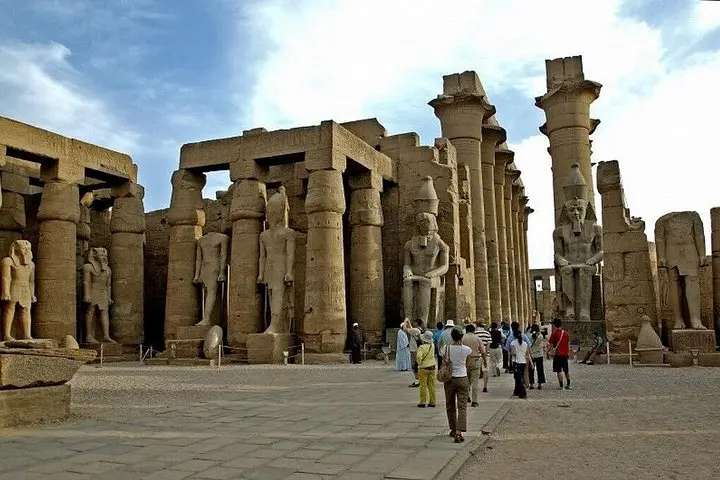
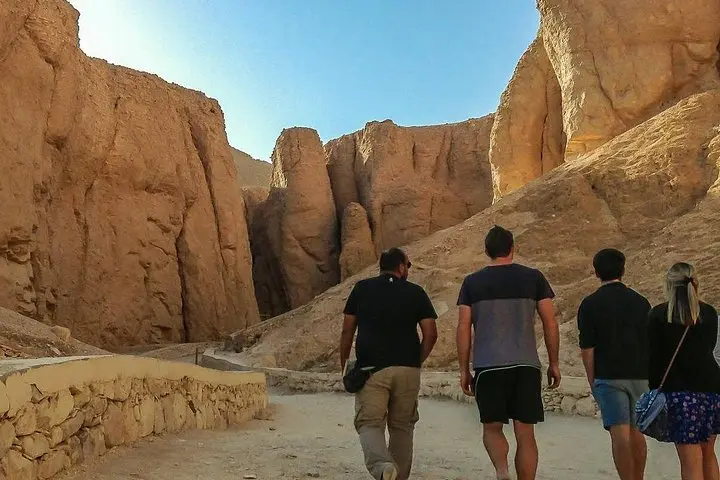
Morning light slants across the Nile as a private car slips away from central Luxor, the city’s sandstone facades warming to ochre. On the West Bank the desert presses close; tomb entrances gape like mouths in time, and the Valley of the Kings opens a corridor into the New Kingdom. By afternoon the East Bank hums with traders and the sound of prayers at Karnak’s hypostyle hall, where columns loom like planted trees.
Verified experiences and guided adventures in the surrounding area.
Operated by Charming Egypt Tours · Luxor, Luxor Governorate
Morning light slants across the Nile as a private car slips away from central Luxor, the city’s sandstone facades warming to ochre. On the West Bank the desert presses close; tomb entrances gape like mouths in time, and the Valley of the Kings opens a corridor into the New Kingdom. By afternoon the East Bank hums with traders and the sound of prayers at Karnak’s hypostyle hall, where columns loom like planted trees.
Luxor sits on the site of ancient Thebes, the political heart of Egypt in the New Kingdom (c. 1550–1070 BCE). The geology—soft Nile silt to the east and limestone escarpments to the west—helped determine where kings buried themselves and where temples rose. Cultural layers are visible everywhere: monumental royal architecture, Coptic churches, and a modern city that lives alongside millennia-old ritual landscapes.
A private Egyptologist-led circuit ties these threads together: tombs of pharaohs (no two layouts are identical), Hatshepsut’s terraced mortuary temple at Deir el-Bahari, the Colossi of Memnon, and Karnak’s avenue of sphinxes before a sunset visit to Luxor Temple.
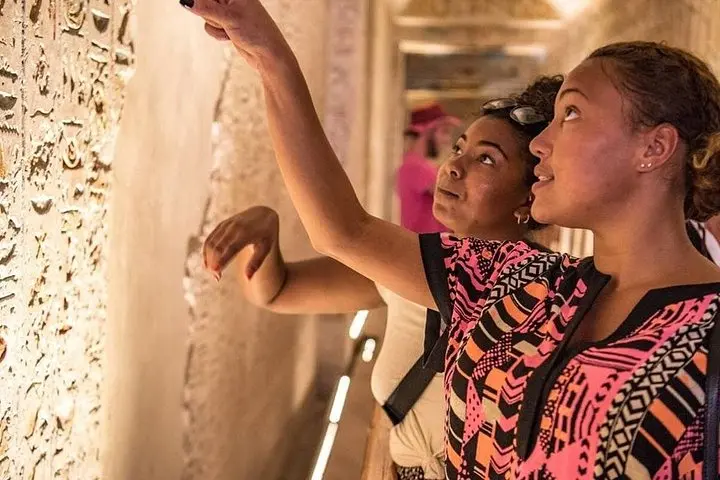
Practical notes: expect roughly six hours, moderate walking with uneven stone and steps, and brief indoor periods in dim, cool tombs. Carry a hat, water, and soft-soled shoes; avoid flash photography in tombs and follow your guide’s route to protect fragile paintings. Morning visits are cooler and lighter for photos; late afternoon brings dramatic shadows on columns. The private format removes the rush of group tours, letting you linger at a single relief or ask detailed questions about rituals, burial practice, and the conservation challenges facing these ancient monuments.
Most tours require separate admission tickets for sites like the Valley of the Kings and Karnak; check your booking to confirm what’s covered.
Flash photography is often prohibited to protect pigments; your guide will explain site-specific rules and camera permits if needed.
Yes—this private tour is family-friendly, but infants typically sit on laps and some tombs have narrow passages not ideal for strollers.
Walking segments are short but include stairs and uneven surfaces; expect several short walks and up to 2–4 miles of combined walking over the day.
Charming Egypt Tours operates guided outdoor trips and adventures with an emphasis on safety, stewardship, and memorable experiences.
Morning light slants across the Nile as a private car slips away from central Luxor, the city’s sandstone facades warming to ochre. On the West Bank the desert presses close; tomb entrances gape like mouths in time, and the Valley of the Kings opens a corridor into the New Kingdom. By afternoon the East Bank hums with traders and the sound of prayers at Karnak’s hypostyle hall, where columns loom like planted trees.
Morning light slants across the Nile as a private car slips away from central Luxor, the city’s sandstone facades warming to ochre. On the West Bank the desert presses close; tomb entrances gape like mouths in time, and the Valley of the Kings opens a corridor into the New Kingdom. By afternoon the East Bank hums with traders and the sound of prayers at Karnak’s hypostyle hall, where columns loom like planted trees.
Luxor sits on the site of ancient Thebes, the political heart of Egypt in the New Kingdom (c. 1550–1070 BCE). The geology—soft Nile silt to the east and limestone escarpments to the west—helped determine where kings buried themselves and where temples rose. Cultural layers are visible everywhere: monumental royal architecture, Coptic churches, and a modern city that lives alongside millennia-old ritual landscapes.
A private Egyptologist-led circuit ties these threads together: tombs of pharaohs (no two layouts are identical), Hatshepsut’s terraced mortuary temple at Deir el-Bahari, the Colossi of Memnon, and Karnak’s avenue of sphinxes before a sunset visit to Luxor Temple.
Practical notes: expect roughly six hours, moderate walking with uneven stone and steps, and brief indoor periods in dim, cool tombs. Carry a hat, water, and soft-soled shoes; avoid flash photography in tombs and follow your guide’s route to protect fragile paintings. Morning visits are cooler and lighter for photos; late afternoon brings dramatic shadows on columns. The private format removes the rush of group tours, letting you linger at a single relief or ask detailed questions about rituals, burial practice, and the conservation challenges facing these ancient monuments.