THE ADVENTURE COLLECTIVE® · Independent discovery and booking for outdoor travel

Spend a day with an Egyptologist touring Luxor’s East and West Banks: Valley of the Kings, Hatshepsut’s mortuary temple, Colossi of Memnon, Karnak and Luxor Temple. This privately guided, 6–7 hour excursion balances archaeology and practical logistics for a focused cultural outing.
Spend a day with an Egyptologist touring Luxor’s East and West Banks: Valley of the Kings, Hatshepsut’s mortuary temple, Colossi of Memnon, Karnak and Luxor Temple. This privately guided, 6–7 hour excursion balances archaeology and practical logistics for a focused cultural outing.
Dust of the Nile lifts as you step from an air-conditioned van onto the hard-baked paths of ancient Thebes. Early light picks out the colossi and clipped reliefs; the guide's voice—a trained Egyptologist—pulls names and dates into the present while the river keeps time to the city’s daily rhythm.
Verified experiences and guided adventures in the surrounding area.
Operated by Nile River Cruise · Luxor, Luxor Governorate
Dust of the Nile lifts as you step from an air-conditioned van onto the hard-baked paths of ancient Thebes. Early light picks out the colossi and clipped reliefs; the guide's voice—a trained Egyptologist—pulls names and dates into the present while the river keeps time to the city’s daily rhythm.
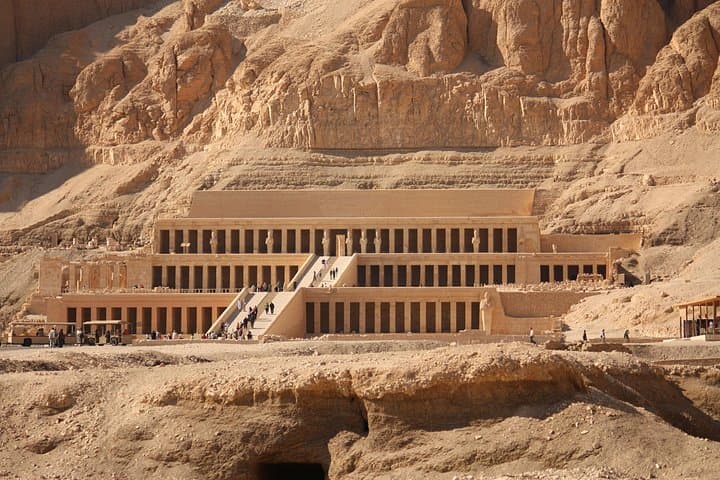
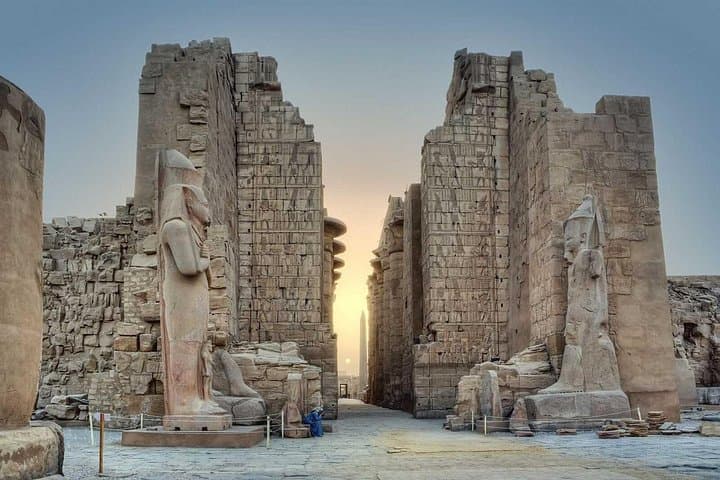
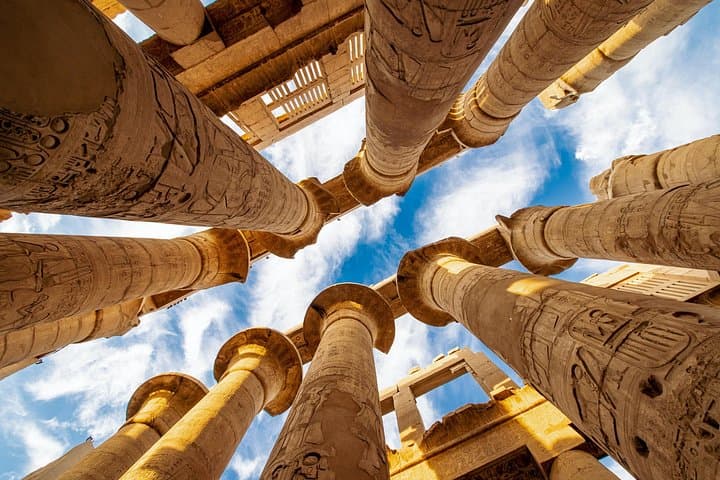
This full-day route crosses the Nile to the West Bank where pharaonic funerary architecture dominates: the Valley of the Kings' tomb cut into limestone, Hatshepsut’s terraced mortuary temple at Deir el Bahari, and the lone, weathered Colossi of Memnon that once guarded a royal complex. Return to the East Bank to walk Karnak’s avenue of ram-headed sphinxes and enter Luxor Temple where sandstone blocks moved upriver from Gebel el-Silsila still show ancient tooling.
Geology here is obvious—limestone and Nubian sandstone shaped by the Nile and thousands of years of human quarrying. Culturally, Luxor sits on a continuous thread from New Kingdom power to modern Egyptian life; markets and cafés lie steps from monumental ruins.
Practical guidance: expect 6–7 hours with several moderate walks on uneven ground and some stairs in tombs. Bring sun protection, refillable water, and small change for entrance fees, tipping, and camera permits. Comfortable walking shoes and a light scarf for sun and temple modesty are smart choices. Morning departures are cooler and give better light for photos; the tour includes private transfers, an Egyptologist guide, and admission to key sites but usually limits Valley of the Kings to three tombs per itinerary. Move deliberately—this is a day of measured panoramas, carved stone, and a direct line into Egypt’s ancient political heart.
Admissions listed in the tour inclusions (Valley of the Kings, Hatshepsut, Karnak, Luxor) are typically covered—confirm specifics at booking since some special tombs may carry extra fees.
The operator notes wheelchair-accessible transfer options, but many tombs and temple ramps have steps or uneven surfaces; discuss your needs before booking to arrange the best itinerary.
The tour generally includes entry to three tombs; rotation and conservation needs mean access varies daily and special-tomb entry can require an extra fee.
Lunch at a local restaurant is included on this full-day private tour, but carry snacks if you have dietary restrictions or long gaps between stops.
Nile River Cruise operates guided outdoor trips and adventures with an emphasis on safety, stewardship, and memorable experiences.

Dust of the Nile lifts as you step from an air-conditioned van onto the hard-baked paths of ancient Thebes. Early light picks out the colossi and clipped reliefs; the guide's voice—a trained Egyptologist—pulls names and dates into the present while the river keeps time to the city’s daily rhythm.
Dust of the Nile lifts as you step from an air-conditioned van onto the hard-baked paths of ancient Thebes. Early light picks out the colossi and clipped reliefs; the guide's voice—a trained Egyptologist—pulls names and dates into the present while the river keeps time to the city’s daily rhythm.
This full-day route crosses the Nile to the West Bank where pharaonic funerary architecture dominates: the Valley of the Kings' tomb cut into limestone, Hatshepsut’s terraced mortuary temple at Deir el Bahari, and the lone, weathered Colossi of Memnon that once guarded a royal complex. Return to the East Bank to walk Karnak’s avenue of ram-headed sphinxes and enter Luxor Temple where sandstone blocks moved upriver from Gebel el-Silsila still show ancient tooling.
Geology here is obvious—limestone and Nubian sandstone shaped by the Nile and thousands of years of human quarrying. Culturally, Luxor sits on a continuous thread from New Kingdom power to modern Egyptian life; markets and cafés lie steps from monumental ruins.
Practical guidance: expect 6–7 hours with several moderate walks on uneven ground and some stairs in tombs. Bring sun protection, refillable water, and small change for entrance fees, tipping, and camera permits. Comfortable walking shoes and a light scarf for sun and temple modesty are smart choices. Morning departures are cooler and give better light for photos; the tour includes private transfers, an Egyptologist guide, and admission to key sites but usually limits Valley of the Kings to three tombs per itinerary. Move deliberately—this is a day of measured panoramas, carved stone, and a direct line into Egypt’s ancient political heart.