THE ADVENTURE COLLECTIVE® · Independent discovery and booking for outdoor travel

Explore Luxor’s greatest monuments in a single, well-paced day with a licensed Egyptologist. From Karnak’s towering columns to the painted tombs of the Valley of the Kings and Hatshepsut’s cliff-side temple, this private tour blends context, comfort, and local flavor.
Explore Luxor’s greatest monuments in a single, well-paced day with a licensed Egyptologist. From Karnak’s towering columns to the painted tombs of the Valley of the Kings and Hatshepsut’s cliff-side temple, this private tour blends context, comfort, and local flavor.
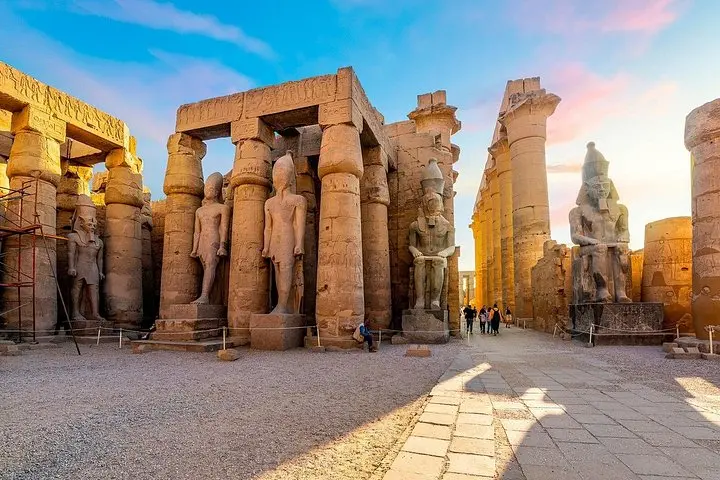
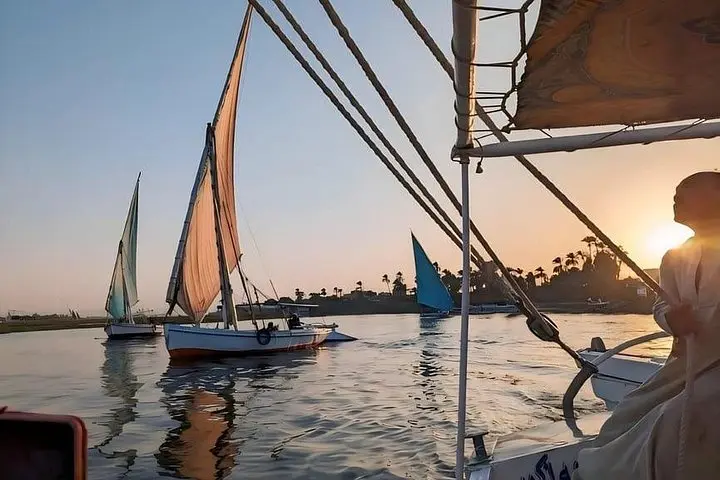
The day begins before the sun fully warms the Nile’s slow sweep, stepping out of an air-conditioned vehicle onto the warm stone of ancient Thebes. Columns loom like a forest of giants at Karnak, their carved capitals catching the morning light while your Egyptologist guide teases out the politics and piety behind each relief.
Verified experiences and guided adventures in the surrounding area.
Operated by Saray El-Nile · Luxor, Luxor Governorate
The day begins before the sun fully warms the Nile’s slow sweep, stepping out of an air-conditioned vehicle onto the warm stone of ancient Thebes. Columns loom like a forest of giants at Karnak, their carved capitals catching the morning light while your Egyptologist guide teases out the politics and piety behind each relief.
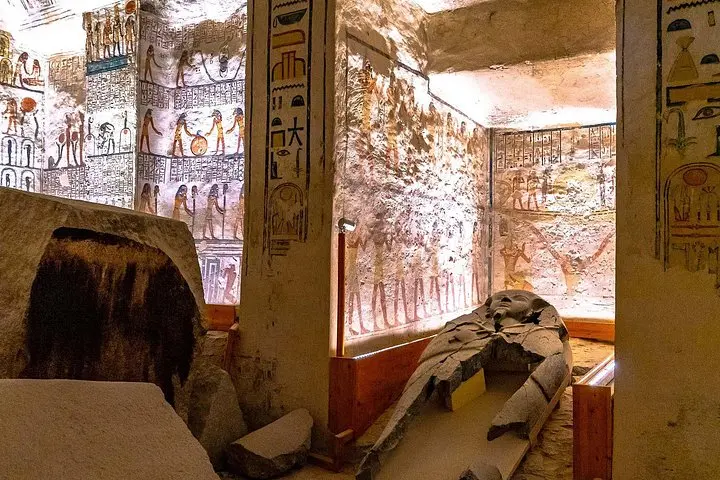
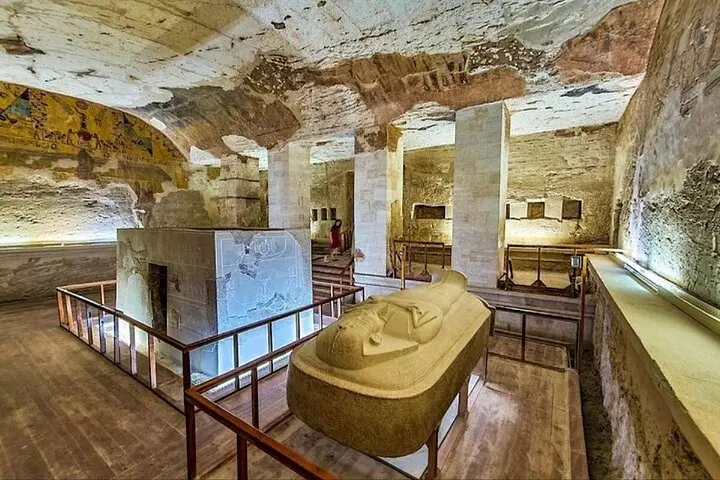
This route threads three eras of Pharaonic power: the monumental pylons and Hypostyle Hall of Karnak built over millennia; the painted, descending tombs of the Valley of the Kings carved into limestone ridges on the West Bank; and the terraced mortuary temple of Queen Hatshepsut cut into Deir el-Bahari’s cliff face. Geology is part of the story — Nile silt once fed the civilization below, while the pale limestone cliffs preserved burial chambers against wind and sand.
Local color arrives in simple forms: a roadside merchant selling pomegranate juice, a village donkey casting a patient shadow, and the call to prayer threading through Luxor’s market hum. Photography opportunities are constant, but fragile surfaces demand restraint — many tombs prohibit flash to protect pigments.
Practical guidance: wear closed, supportive shoes for uneven stone and stairs, carry 1–2 liters of water, and sun protection for long courtyard exposure. Expect 6–7 hours of guided walking with short transfers and a midday lunch at a local restaurant. Bring a small day pack for cameras and sunscreen and be ready to follow your guide’s recommendations about which tombs allow entry that day.
Yes — the tour description includes all entrance fees for the listed sites (Karnak, Valley of the Kings, Hatshepsut).
You’ll do several short-to-moderate walks across temple courtyards and descend into multiple tombs; plan on standing and walking for most of the 6–7 hour day.
The tour is classified as easy and suitable for most ages, but tomb stairs and narrow passages can be challenging for limited mobility; contact the operator about specific needs.
Photo rules vary by tomb—some allow non-flash photos, others restrict photography entirely; follow your guide and posted signs.
Saray El-Nile operates guided outdoor trips and adventures with an emphasis on safety, stewardship, and memorable experiences.
The day begins before the sun fully warms the Nile’s slow sweep, stepping out of an air-conditioned vehicle onto the warm stone of ancient Thebes. Columns loom like a forest of giants at Karnak, their carved capitals catching the morning light while your Egyptologist guide teases out the politics and piety behind each relief.
The day begins before the sun fully warms the Nile’s slow sweep, stepping out of an air-conditioned vehicle onto the warm stone of ancient Thebes. Columns loom like a forest of giants at Karnak, their carved capitals catching the morning light while your Egyptologist guide teases out the politics and piety behind each relief.
This route threads three eras of Pharaonic power: the monumental pylons and Hypostyle Hall of Karnak built over millennia; the painted, descending tombs of the Valley of the Kings carved into limestone ridges on the West Bank; and the terraced mortuary temple of Queen Hatshepsut cut into Deir el-Bahari’s cliff face. Geology is part of the story — Nile silt once fed the civilization below, while the pale limestone cliffs preserved burial chambers against wind and sand.
Local color arrives in simple forms: a roadside merchant selling pomegranate juice, a village donkey casting a patient shadow, and the call to prayer threading through Luxor’s market hum. Photography opportunities are constant, but fragile surfaces demand restraint — many tombs prohibit flash to protect pigments.
Practical guidance: wear closed, supportive shoes for uneven stone and stairs, carry 1–2 liters of water, and sun protection for long courtyard exposure. Expect 6–7 hours of guided walking with short transfers and a midday lunch at a local restaurant. Bring a small day pack for cameras and sunscreen and be ready to follow your guide’s recommendations about which tombs allow entry that day.