THE ADVENTURE COLLECTIVE® · Independent discovery and booking for outdoor travel

Spend a full day exploring Luxor’s key archaeological sites: the Valley of the Kings, Hatshepsut’s mortuary temple, the Colossi of Memnon, Karnak and Luxor Temple. This guided tour combines guided context with practical logistics for a single-day deep dive into ancient Thebes.
Spend a full day exploring Luxor’s key archaeological sites: the Valley of the Kings, Hatshepsut’s mortuary temple, the Colossi of Memnon, Karnak and Luxor Temple. This guided tour combines guided context with practical logistics for a single-day deep dive into ancient Thebes.
Dawn on the West Bank in Luxor feels like stepping through a hinge in time: the Nile slips by, cool and relentless, while limestone cliffs on the Theban Plateau catch the first light and throw it over royal tombs. On a full-day guided tour, visitors move from desert cut into stone to a river-side city of living markets and restored temple paint.
Verified experiences and guided adventures in the surrounding area.
Operated by Egypt Tours Travel · Luxor, Luxor
Dawn on the West Bank in Luxor feels like stepping through a hinge in time: the Nile slips by, cool and relentless, while limestone cliffs on the Theban Plateau catch the first light and throw it over royal tombs. On a full-day guided tour, visitors move from desert cut into stone to a river-side city of living markets and restored temple paint.
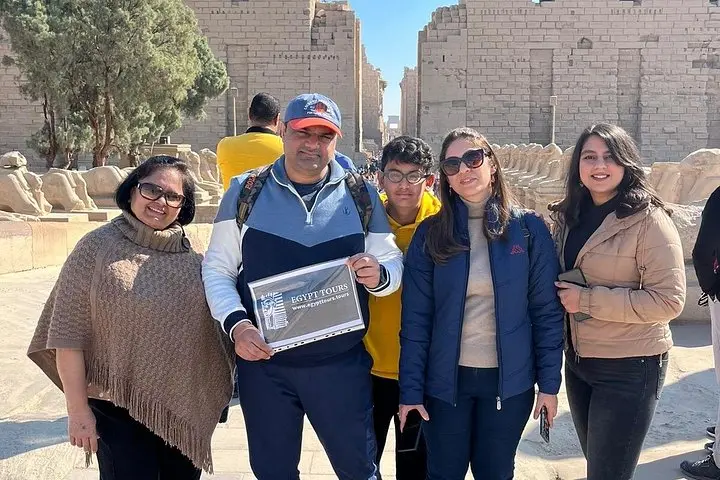
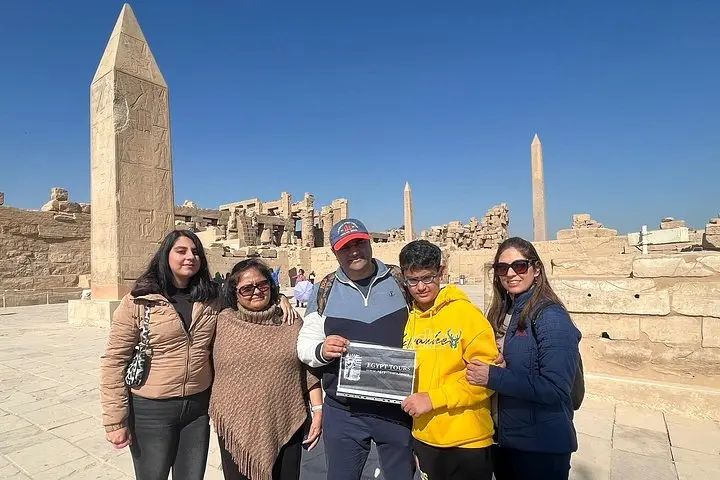
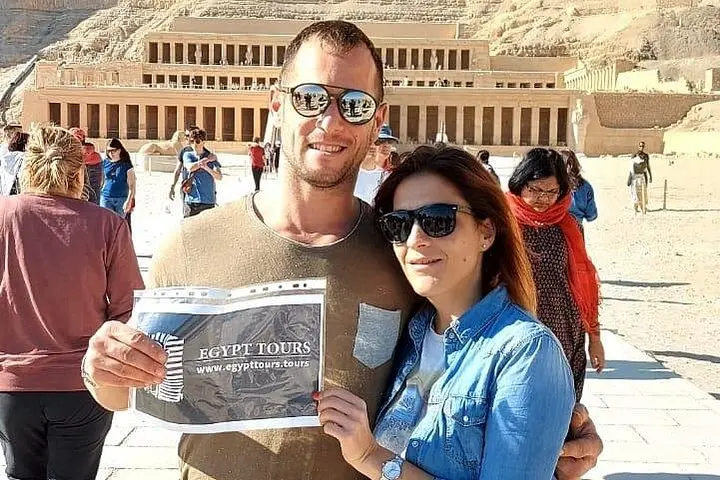
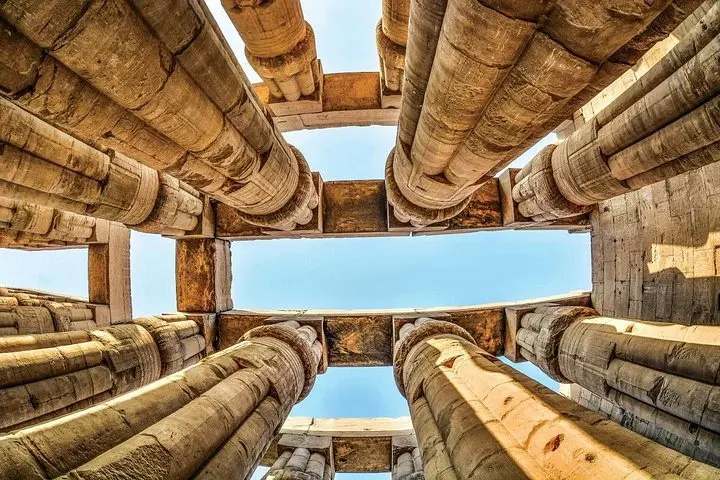
This route follows Thebes, the heart of New Kingdom power. The Valley of the Kings holds rock-cut tombs of pharaohs whose burial architecture and funerary texts shaped millennia of Egyptian belief. Nearby, the mortuary temple of Hatshepsut presents stepped terraces and bold reliefs that mark a rare female reign, while the Colossi of Memnon stand as solitary sentries to Amenhotep III. Crossing to the East Bank, Karnak unfolds as an ancient complex of hypostyle halls and an avenue once lined with sphinxes stretching roughly 1.5 miles to Luxor Temple.
Expect an 8-hour day with short drives between sites, mostly flat walking but with uneven stone surfaces and stairs inside tombs. Practical notes: begin early to avoid midday heat, carry cash for entry fees (many tombs require separate tickets), and respect photography rules—flash is often prohibited to protect pigments. Sun protection, sturdy shoes, and a reusable water bottle are non-negotiable. Guides add context that turns hieroglyphs and columns into a readable story; local eateries provide respite at lunch.
This itinerary is as much about pacing as place: a steady move from cool interiors to sun-baked courtyards, from carved silence to the hum of the Nile, giving a full-picture day in ancient Egypt that’s accessible to most travelers.
No; the tour notes that admission to major sites is generally not included—expect to purchase entry tickets separately at most attractions.
Lunch is not listed as included; the itinerary stops at a local restaurant where guests can buy a meal (bottled water may be provided).
Yes—hotel pickup and drop-off are included, and the tour operates in an air-conditioned vehicle.
The tour information indicates wheelchair-accessible transportation and some accessible surfaces, but many ancient sites have stairs and uneven terrain—check specifics with the operator.
Egypt Tours Travel operates guided outdoor trips and adventures with an emphasis on safety, stewardship, and memorable experiences.
Dawn on the West Bank in Luxor feels like stepping through a hinge in time: the Nile slips by, cool and relentless, while limestone cliffs on the Theban Plateau catch the first light and throw it over royal tombs. On a full-day guided tour, visitors move from desert cut into stone to a river-side city of living markets and restored temple paint.
Dawn on the West Bank in Luxor feels like stepping through a hinge in time: the Nile slips by, cool and relentless, while limestone cliffs on the Theban Plateau catch the first light and throw it over royal tombs. On a full-day guided tour, visitors move from desert cut into stone to a river-side city of living markets and restored temple paint.
This route follows Thebes, the heart of New Kingdom power. The Valley of the Kings holds rock-cut tombs of pharaohs whose burial architecture and funerary texts shaped millennia of Egyptian belief. Nearby, the mortuary temple of Hatshepsut presents stepped terraces and bold reliefs that mark a rare female reign, while the Colossi of Memnon stand as solitary sentries to Amenhotep III. Crossing to the East Bank, Karnak unfolds as an ancient complex of hypostyle halls and an avenue once lined with sphinxes stretching roughly 1.5 miles to Luxor Temple.
Expect an 8-hour day with short drives between sites, mostly flat walking but with uneven stone surfaces and stairs inside tombs. Practical notes: begin early to avoid midday heat, carry cash for entry fees (many tombs require separate tickets), and respect photography rules—flash is often prohibited to protect pigments. Sun protection, sturdy shoes, and a reusable water bottle are non-negotiable. Guides add context that turns hieroglyphs and columns into a readable story; local eateries provide respite at lunch.
This itinerary is as much about pacing as place: a steady move from cool interiors to sun-baked courtyards, from carved silence to the hum of the Nile, giving a full-picture day in ancient Egypt that’s accessible to most travelers.