THE ADVENTURE COLLECTIVE® · Independent discovery and booking for outdoor travel

A long, focused day tour from Hurghada that brings you to Luxor’s greatest sites—Karnak, Valley of the Kings, and Hatshepsut—guided by an Egyptologist with transport and lunch included. Ideal for history lovers who want a packed but hassle-free immersion in ancient Thebes.
A long, focused day tour from Hurghada that brings you to Luxor’s greatest sites—Karnak, Valley of the Kings, and Hatshepsut—guided by an Egyptologist with transport and lunch included. Ideal for history lovers who want a packed but hassle-free immersion in ancient Thebes.
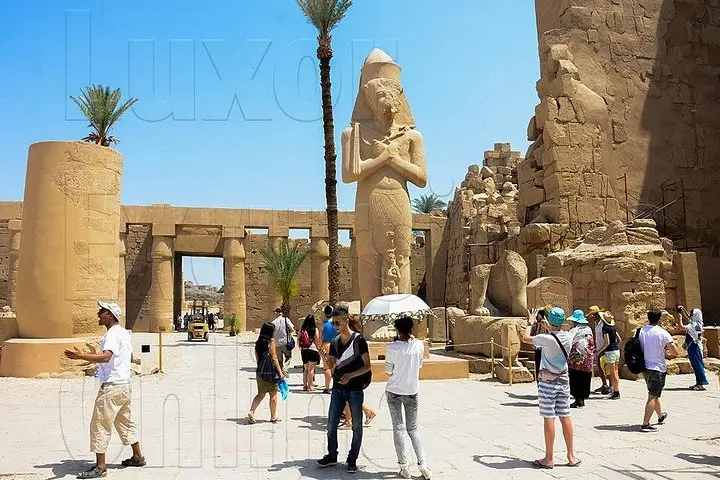
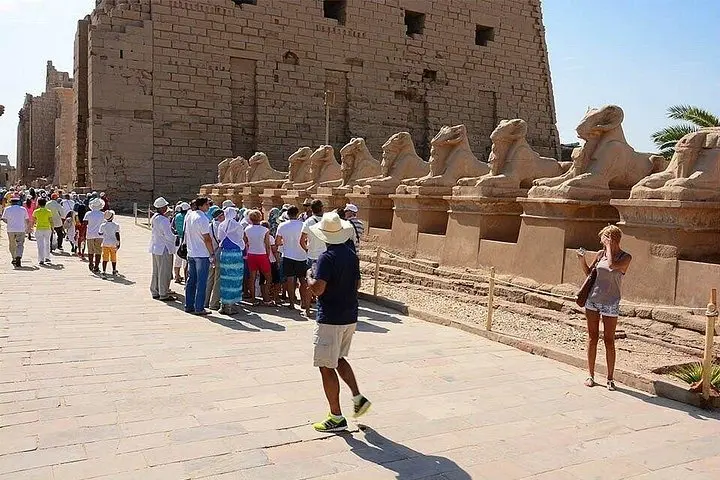
You step into dawn on the Red Sea coast, the air still warm from yesterday, and the minibus hums toward the Nile like a river-bound promise. Hours later Luxor rises from sand and stone—sunlight slicing through columns at Karnak, heat pressing on white limestone, and the west bank cliffs opening like a book of kings.
Verified experiences and guided adventures in the surrounding area.
Operated by Almaza travel · Luxor, Luxor Governorate
You step into dawn on the Red Sea coast, the air still warm from yesterday, and the minibus hums toward the Nile like a river-bound promise. Hours later Luxor rises from sand and stone—sunlight slicing through columns at Karnak, heat pressing on white limestone, and the west bank cliffs opening like a book of kings.
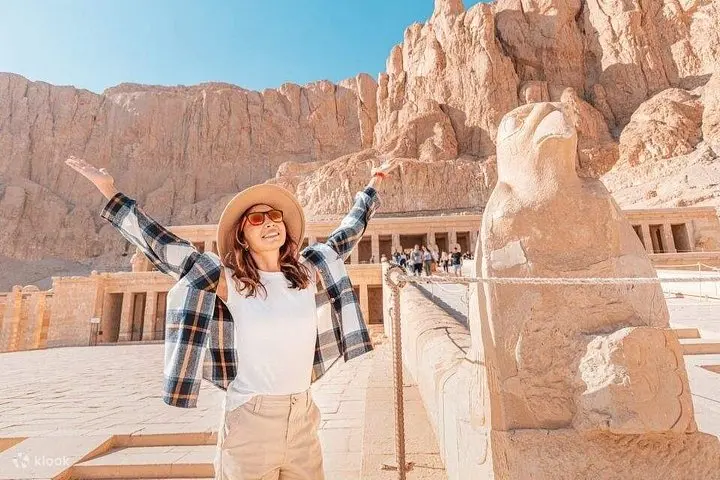
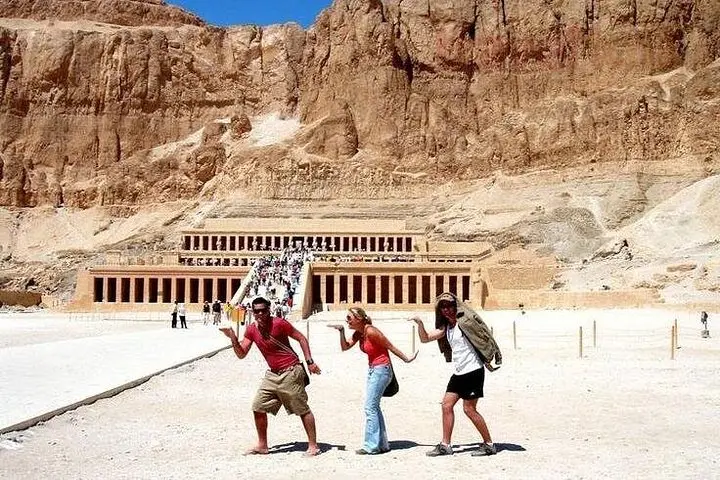
This one-day itinerary threads key chapters of Thebes: Karnak’s Great Hypostyle Hall where papyrus columns crowd the sky, the Valley of the Kings where New Kingdom pharaohs carved their exits into rock, and Hatshepsut’s mortuary terrace hewn into pale cliffs. Geologically, you travel from alluvial plains beside the Nile to desert escarpments that preserved painted burial chambers for millennia. Culturally, a licensed Egyptologist frames the sites—explaining funerary rituals, solar theology, and why tomb entrances were oriented to guide the dead west toward the setting sun.
Practical guidance matters on this long but effortless day: bring cash for optional tombs (Tutankhamun often has a separate fee), carry sun protection and a refillable bottle, and expect several periods of walking with steps and uneven surfaces. Photography rules and conservation concerns mean no flash in tombs and modest behavior inside sacred spaces.
The trip is travel-heavy but richly rewarding—an efficient way to cross from Hurghada’s coastline to Luxor’s ancient heart in a single, intense day. Time your visit for cooler months or early mornings, and leave space to savor a riverside lunch with a Nile view before the return drive.
The round-trip drive is roughly 3.5–4 hours each way depending on traffic and route, making for a full 12–16 hour day including site visits.
General tour tickets usually include a selection of open royal tombs; entry to Tutankhamun’s tomb (KV62) commonly requires an extra fee on the day and is subject to availability.
Photography rules vary by tomb; flash is generally prohibited to protect pigments—follow signs and your guide’s instructions.
The tour is long with considerable walking and is not recommended for pregnant travelers or those with cardiovascular issues; infants may need to sit on laps.
Almaza travel operates guided outdoor trips and adventures with an emphasis on safety, stewardship, and memorable experiences.
You step into dawn on the Red Sea coast, the air still warm from yesterday, and the minibus hums toward the Nile like a river-bound promise. Hours later Luxor rises from sand and stone—sunlight slicing through columns at Karnak, heat pressing on white limestone, and the west bank cliffs opening like a book of kings.
You step into dawn on the Red Sea coast, the air still warm from yesterday, and the minibus hums toward the Nile like a river-bound promise. Hours later Luxor rises from sand and stone—sunlight slicing through columns at Karnak, heat pressing on white limestone, and the west bank cliffs opening like a book of kings.
This one-day itinerary threads key chapters of Thebes: Karnak’s Great Hypostyle Hall where papyrus columns crowd the sky, the Valley of the Kings where New Kingdom pharaohs carved their exits into rock, and Hatshepsut’s mortuary terrace hewn into pale cliffs. Geologically, you travel from alluvial plains beside the Nile to desert escarpments that preserved painted burial chambers for millennia. Culturally, a licensed Egyptologist frames the sites—explaining funerary rituals, solar theology, and why tomb entrances were oriented to guide the dead west toward the setting sun.
Practical guidance matters on this long but effortless day: bring cash for optional tombs (Tutankhamun often has a separate fee), carry sun protection and a refillable bottle, and expect several periods of walking with steps and uneven surfaces. Photography rules and conservation concerns mean no flash in tombs and modest behavior inside sacred spaces.
The trip is travel-heavy but richly rewarding—an efficient way to cross from Hurghada’s coastline to Luxor’s ancient heart in a single, intense day. Time your visit for cooler months or early mornings, and leave space to savor a riverside lunch with a Nile view before the return drive.