THE ADVENTURE COLLECTIVE® · Independent discovery and booking for outdoor travel

A single day that stitches Luxor’s east and west banks into a compact journey: tombs cut into limestone cliffs, Hatshepsut’s terraces, the Colossi of Memnon and Karnak’s sprawling pylons. Plan for heat, uneven footing and separate site fees.
A single day that stitches Luxor’s east and west banks into a compact journey: tombs cut into limestone cliffs, Hatshepsut’s terraces, the Colossi of Memnon and Karnak’s sprawling pylons. Plan for heat, uneven footing and separate site fees.
Morning light slips across the Nile as a private minivan eases away from a hotel jetty and into the wide sweep of Luxor. On one bank, the desert opens into the funerary cliffs of the Theban Necropolis; on the other, pylons and colonnades rise from the city like living memory. This full-day loop links the Valley of the Kings, Hatshepsut’s mortuary temple, the Colossi of Memnon and the great Karnak and Luxor temples — an itinerary built around concentrated history and long, sunlit stone.
Verified experiences and guided adventures in the surrounding area.
Operated by Ra Egypt Tour Guide · Luxor, Luxor Governorate
Morning light slips across the Nile as a private minivan eases away from a hotel jetty and into the wide sweep of Luxor. On one bank, the desert opens into the funerary cliffs of the Theban Necropolis; on the other, pylons and colonnades rise from the city like living memory. This full-day loop links the Valley of the Kings, Hatshepsut’s mortuary temple, the Colossi of Memnon and the great Karnak and Luxor temples — an itinerary built around concentrated history and long, sunlit stone.
These sites span Egypt’s New Kingdom and later eras: tombs carved into limestone cliffs, a stepped funerary complex by the female pharaoh Hatshepsut, and Karnak’s layered construction that grew over 1,500 years. Geology is obvious — soft Nile silt and harder bedrock where tombs were hewn, and the river itself shaping a green corridor through arid plains. Local life threads between monuments: boatmen, market vendors and mosque calls that map modern Luxor onto its ancient footprint.
Expect walking on uneven stone, ramps at Hatshepsut, and open, exposed areas at Karnak where shade is scarce. The tour typically allocates 60–90 minutes at major stops with vehicle transfers between banks; total time out of the hotel is 6–9 hours. Practicalities: start early to avoid midday heat, carry 2–3 liters of water, wear sun protection and comfortable walking shoes, and keep modest clothing for temple visits. Admissions are generally paid on-site and guided commentary is provided by an Egyptologist.
Taken together, the route is a concentrated day of archaeology, a working cityscape and a study in how river, rock and ritual shaped one of history’s great capitals.
No — the tour provides transport and an Egyptologist guide, but site admissions and optional tomb tickets are usually paid on arrival.
Yes — the tour includes hotel/Nile cruise pickup and return within Luxor; confirm your exact pickup point when booking.
Photography rules vary by site — exterior and temple photography is generally allowed, but some tomb interiors ban flash or require a separate ticket; follow the guide’s instructions.
Accessibility is limited: many sites have steps, ramps, loose stone and uneven paths. Travelers with mobility constraints should contact the operator to discuss adaptations.
Ra Egypt Tour Guide operates guided outdoor trips and adventures with an emphasis on safety, stewardship, and memorable experiences.



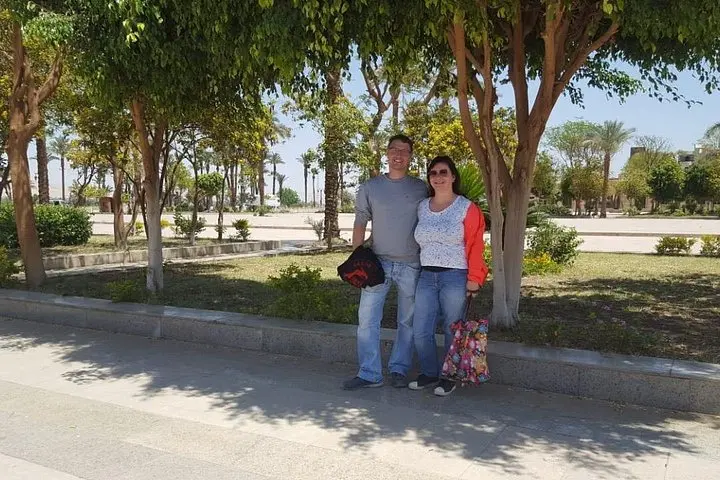
Morning light slips across the Nile as a private minivan eases away from a hotel jetty and into the wide sweep of Luxor. On one bank, the desert opens into the funerary cliffs of the Theban Necropolis; on the other, pylons and colonnades rise from the city like living memory. This full-day loop links the Valley of the Kings, Hatshepsut’s mortuary temple, the Colossi of Memnon and the great Karnak and Luxor temples — an itinerary built around concentrated history and long, sunlit stone.
Morning light slips across the Nile as a private minivan eases away from a hotel jetty and into the wide sweep of Luxor. On one bank, the desert opens into the funerary cliffs of the Theban Necropolis; on the other, pylons and colonnades rise from the city like living memory. This full-day loop links the Valley of the Kings, Hatshepsut’s mortuary temple, the Colossi of Memnon and the great Karnak and Luxor temples — an itinerary built around concentrated history and long, sunlit stone.
These sites span Egypt’s New Kingdom and later eras: tombs carved into limestone cliffs, a stepped funerary complex by the female pharaoh Hatshepsut, and Karnak’s layered construction that grew over 1,500 years. Geology is obvious — soft Nile silt and harder bedrock where tombs were hewn, and the river itself shaping a green corridor through arid plains. Local life threads between monuments: boatmen, market vendors and mosque calls that map modern Luxor onto its ancient footprint.
Expect walking on uneven stone, ramps at Hatshepsut, and open, exposed areas at Karnak where shade is scarce. The tour typically allocates 60–90 minutes at major stops with vehicle transfers between banks; total time out of the hotel is 6–9 hours. Practicalities: start early to avoid midday heat, carry 2–3 liters of water, wear sun protection and comfortable walking shoes, and keep modest clothing for temple visits. Admissions are generally paid on-site and guided commentary is provided by an Egyptologist.
Taken together, the route is a concentrated day of archaeology, a working cityscape and a study in how river, rock and ritual shaped one of history’s great capitals.