THE ADVENTURE COLLECTIVE® · Independent discovery and booking for outdoor travel

Make Machu Picchu in a day from Cusco: an early train, a steep bus climb, and a focused guided tour of the Inca citadel. This full-day option packs historic ruins, cloud-forest views, and practical transit into one long, rewarding day.
Make Machu Picchu in a day from Cusco: an early train, a steep bus climb, and a focused guided tour of the Inca citadel. This full-day option packs historic ruins, cloud-forest views, and practical transit into one long, rewarding day.
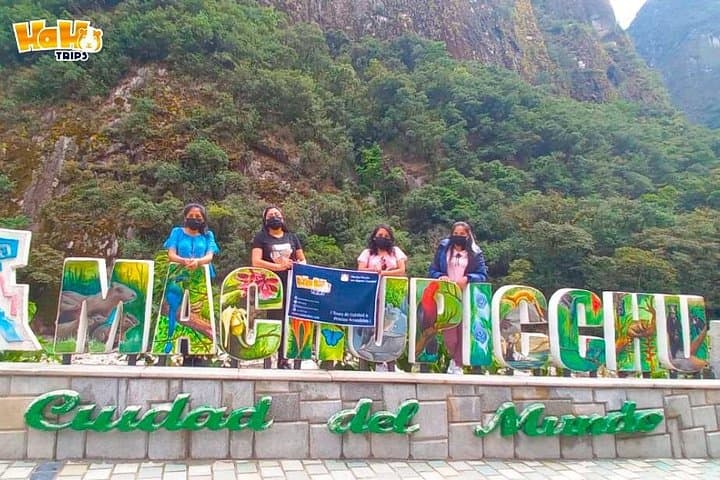
The morning begins before dawn as a van pulls away from a quiet Cusco hotel and the Andes slide by in a slow, slate-colored blur. By Ollantaytambo the valley opens; the tourist train threads terraces and river bends, steam of thermoses in hands as cloud and mountain swap places. Arrival in Aguas Calientes feels abrupt — a steamy jungle town at the foot of the ruins — then the shuttle bus climbs through hairpin switchbacks and delivers the citadel in a single, dramatic reveal.
Verified experiences and guided adventures in the surrounding area.
Operated by HAHA TRIPS · Aguas Calientes (Machu Picchu Pueblo), Cusco
The morning begins before dawn as a van pulls away from a quiet Cusco hotel and the Andes slide by in a slow, slate-colored blur. By Ollantaytambo the valley opens; the tourist train threads terraces and river bends, steam of thermoses in hands as cloud and mountain swap places. Arrival in Aguas Calientes feels abrupt — a steamy jungle town at the foot of the ruins — then the shuttle bus climbs through hairpin switchbacks and delivers the citadel in a single, dramatic reveal.
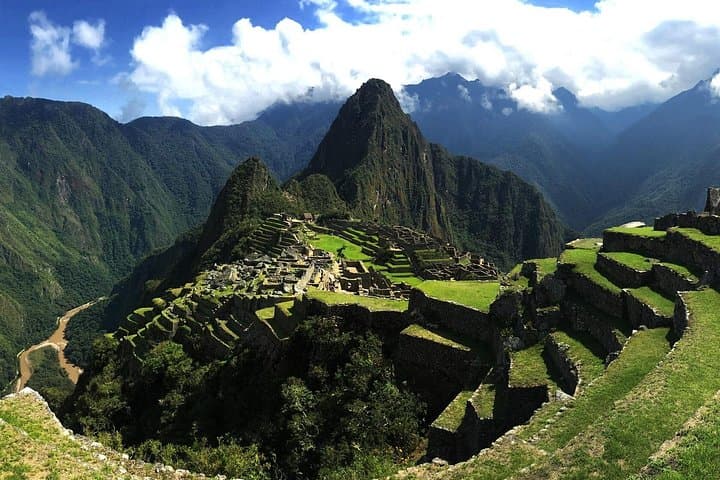
Machu Picchu is a 15th-century Inca citadel attributed to Pachacuti; its stonework sits where steep limestone ridges meet cloud forest. Geologically, the site perches on folded, weathered Andean bedrock and overlooks the Urubamba River gorge. Culturally, the site is both archaeological icon and living place: local Quechua communities maintain traditions and craft economies in nearby towns, while llamas and highland birds patrol the terraces.
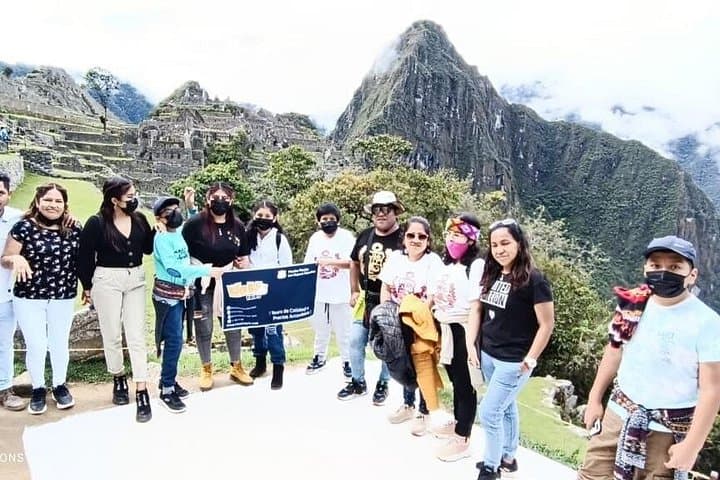
Expect a full day: early pickup from Cusco, ~2-hour train each way, a short bus climb, and a roughly 2–2.5 hour guided circuit through the main terraces, temple complexes, and viewpoints. The walk involves uneven stone steps, narrow paths, and sections exposed to sun and wind. Bring layers for rapid changes in temperature, water, sun protection, and sturdy footwear for steep steps.
Practical tips: acclimatize in Cusco for 24–48 hours if possible; carry your passport and Machu Picchu ticket; budget extra time in Aguas Calientes for lunch or hot springs; and respect trail routes — gates and guides enforce timed entries to limit erosion and overcrowding.
Yes — your passport is required to match the name on your Machu Picchu ticket and for entry to the site.
The tour notes wheelchair-accessible transport, but the citadel itself has steep stone paths and limited accessibility; consult the operator for specific arrangements.
Yes — the itinerary typically leaves time for lunch or visiting the town’s hot springs before returning to Ollantaytambo by train.
You can do this as a day trip from Cusco, but arriving a day early to acclimatize is strongly recommended to reduce altitude-related issues.
HAHA TRIPS operates guided outdoor trips and adventures with an emphasis on safety, stewardship, and memorable experiences.
The morning begins before dawn as a van pulls away from a quiet Cusco hotel and the Andes slide by in a slow, slate-colored blur. By Ollantaytambo the valley opens; the tourist train threads terraces and river bends, steam of thermoses in hands as cloud and mountain swap places. Arrival in Aguas Calientes feels abrupt — a steamy jungle town at the foot of the ruins — then the shuttle bus climbs through hairpin switchbacks and delivers the citadel in a single, dramatic reveal.
The morning begins before dawn as a van pulls away from a quiet Cusco hotel and the Andes slide by in a slow, slate-colored blur. By Ollantaytambo the valley opens; the tourist train threads terraces and river bends, steam of thermoses in hands as cloud and mountain swap places. Arrival in Aguas Calientes feels abrupt — a steamy jungle town at the foot of the ruins — then the shuttle bus climbs through hairpin switchbacks and delivers the citadel in a single, dramatic reveal.
Machu Picchu is a 15th-century Inca citadel attributed to Pachacuti; its stonework sits where steep limestone ridges meet cloud forest. Geologically, the site perches on folded, weathered Andean bedrock and overlooks the Urubamba River gorge. Culturally, the site is both archaeological icon and living place: local Quechua communities maintain traditions and craft economies in nearby towns, while llamas and highland birds patrol the terraces.
Expect a full day: early pickup from Cusco, ~2-hour train each way, a short bus climb, and a roughly 2–2.5 hour guided circuit through the main terraces, temple complexes, and viewpoints. The walk involves uneven stone steps, narrow paths, and sections exposed to sun and wind. Bring layers for rapid changes in temperature, water, sun protection, and sturdy footwear for steep steps.
Practical tips: acclimatize in Cusco for 24–48 hours if possible; carry your passport and Machu Picchu ticket; budget extra time in Aguas Calientes for lunch or hot springs; and respect trail routes — gates and guides enforce timed entries to limit erosion and overcrowding.