THE ADVENTURE COLLECTIVE® · Independent discovery and booking for outdoor travel
A one‑day, all‑logistics tour from Cusco that covers transfers, train, bus and an accredited guide at Machu Picchu. Expect long travel days, uneven stone paths, and a guided walk through the key agricultural and sacred sectors of the citadel.
A one‑day, all‑logistics tour from Cusco that covers transfers, train, bus and an accredited guide at Machu Picchu. Expect long travel days, uneven stone paths, and a guided walk through the key agricultural and sacred sectors of the citadel.
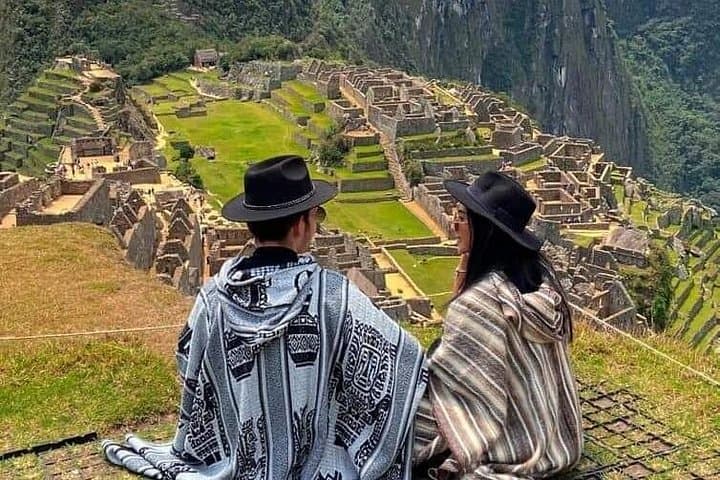
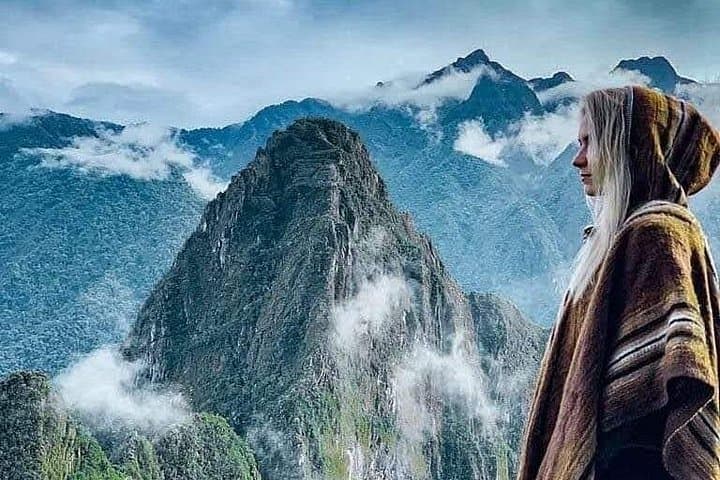
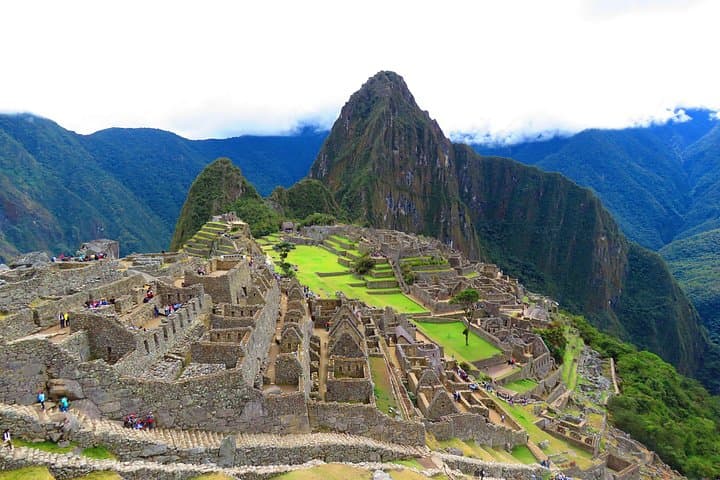
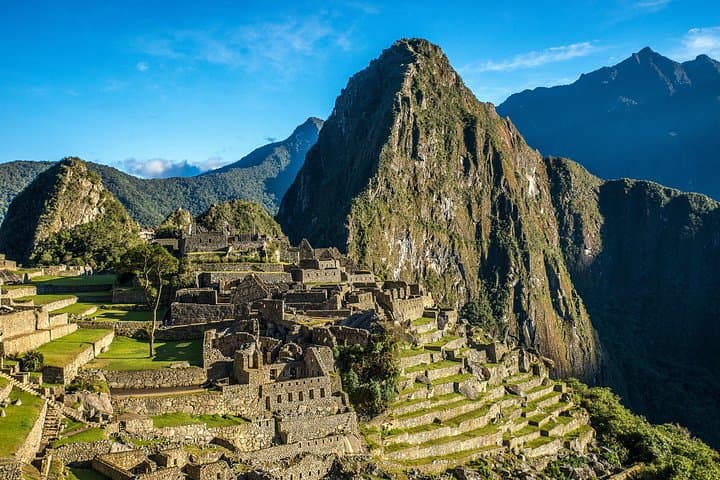
Dawn in Cusco is cool and electric: your transfer winds down the Urubamba Valley, past terraced hills and villages, and the train slips along the river toward Aguas Calientes. The final bus climbs hairpin turns through cloud and eucalyptus, and the citadel of Machu Picchu rises out of mist — a compact grid of stone, terraces and stairways clinging to granite spines.
Verified experiences and guided adventures in the surrounding area.
Operated by Viajes Speedy Tour Operator · Aguas Calientes (Machu Picchu Pueblo), Cusco Region
Dawn in Cusco is cool and electric: your transfer winds down the Urubamba Valley, past terraced hills and villages, and the train slips along the river toward Aguas Calientes. The final bus climbs hairpin turns through cloud and eucalyptus, and the citadel of Machu Picchu rises out of mist — a compact grid of stone, terraces and stairways clinging to granite spines.
Built in the 15th century and sited on volcanic and metamorphic rock above the Urubamba River, Machu Picchu was a highland estate and ritual center of the Inca. Stone masons stacked blocks with seismic-fit joints; terraces tame steep slopes and channel water with simple hydraulic genius. Quechua-speaking communities still farm the valley below, and the site’s modern story — from indigenous memory to Hiram Bingham’s early 20th-century “rediscovery” — layers politics and tourism onto sacred ground.
On this full-day itinerary expect a ~2-hour drive to Ollantaytambo, a 1.5-hour scenic train, a 30-minute zigzag bus to the entrance, and roughly two hours guided on-site at about 2,430 m (7,970 ft). Paths are uneven stone and steep in sections; weather can shift fast — sun, wind and drizzle all in one afternoon. Bring your passport for control, hydrate and wear sturdy footwear; pace yourself on stairs and give time for the return train to Aguas Calientes.
Practical notes: visits are timed and include transfers, train and entrance ticket. If altitude or mobility is a concern, allow extra acclimatization in Cusco and plan slower movement inside the citadel.
Yes — the entrance control checks your original passport against your ticket, so carry it with you when you board the bus to the citadel.
Train runs about 1.5 hours to Aguas Calientes; the bus from Aguas Calientes to Machu Picchu takes roughly 30 minutes on switchback roads.
The guided route includes uneven stone paths and steep steps but is walkable for most visitors; take breaks and move at your own pace if you have altitude concerns.
Facilities in Aguas Calientes offer food and restrooms; services at the citadel itself are limited to basic restrooms near the entrance—plan accordingly.
Viajes Speedy Tour Operator operates guided outdoor trips and adventures with an emphasis on safety, stewardship, and memorable experiences.
Dawn in Cusco is cool and electric: your transfer winds down the Urubamba Valley, past terraced hills and villages, and the train slips along the river toward Aguas Calientes. The final bus climbs hairpin turns through cloud and eucalyptus, and the citadel of Machu Picchu rises out of mist — a compact grid of stone, terraces and stairways clinging to granite spines.
Dawn in Cusco is cool and electric: your transfer winds down the Urubamba Valley, past terraced hills and villages, and the train slips along the river toward Aguas Calientes. The final bus climbs hairpin turns through cloud and eucalyptus, and the citadel of Machu Picchu rises out of mist — a compact grid of stone, terraces and stairways clinging to granite spines.
Built in the 15th century and sited on volcanic and metamorphic rock above the Urubamba River, Machu Picchu was a highland estate and ritual center of the Inca. Stone masons stacked blocks with seismic-fit joints; terraces tame steep slopes and channel water with simple hydraulic genius. Quechua-speaking communities still farm the valley below, and the site’s modern story — from indigenous memory to Hiram Bingham’s early 20th-century “rediscovery” — layers politics and tourism onto sacred ground.
On this full-day itinerary expect a ~2-hour drive to Ollantaytambo, a 1.5-hour scenic train, a 30-minute zigzag bus to the entrance, and roughly two hours guided on-site at about 2,430 m (7,970 ft). Paths are uneven stone and steep in sections; weather can shift fast — sun, wind and drizzle all in one afternoon. Bring your passport for control, hydrate and wear sturdy footwear; pace yourself on stairs and give time for the return train to Aguas Calientes.
Practical notes: visits are timed and include transfers, train and entrance ticket. If altitude or mobility is a concern, allow extra acclimatization in Cusco and plan slower movement inside the citadel.
