THE ADVENTURE COLLECTIVE® · Independent discovery and booking for outdoor travel

Spend a full day hiking Manuel Antonio National Park from San José — a mix of coastal rainforest trails, guided wildlife viewing and beach time. This practical guide outlines what to expect on the drive, the hike, and how to prepare.
Spend a full day hiking Manuel Antonio National Park from San José — a mix of coastal rainforest trails, guided wildlife viewing and beach time. This practical guide outlines what to expect on the drive, the hike, and how to prepare.
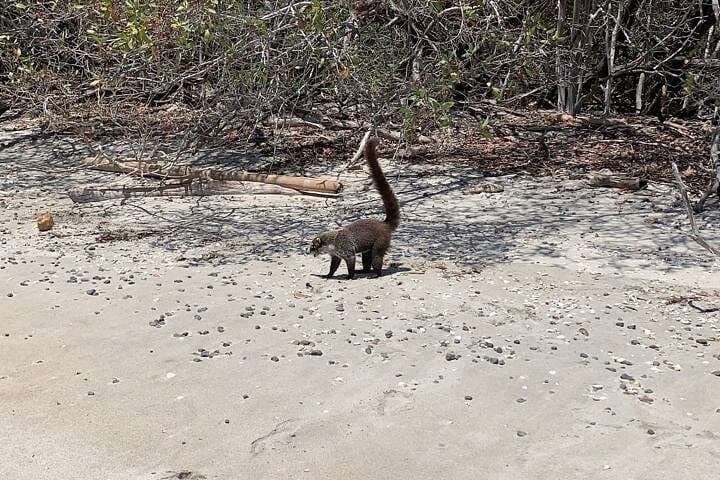
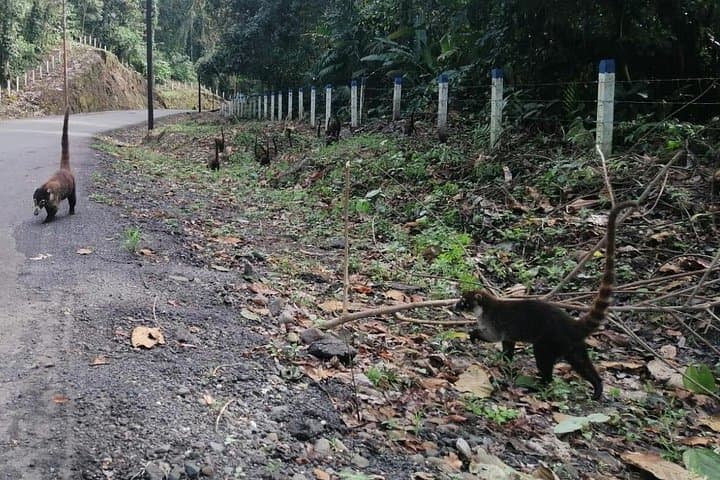
You step off the minivan with the warm Pacific breeze already working through the leaves — humid, salty, and alive. Trails fork through low-elevation rainforest where monkeys call overhead and the surf hammers the coastline below. The path climbs and drops across packed earth and exposed roots; sunlight punches through the canopy in bright shards that spotlight a sloth or a bright toucan cresting a branch.
Verified experiences and guided adventures in the surrounding area.
Operated by Costa Rica Itinerary · Quepos, Puntarenas
You step off the minivan with the warm Pacific breeze already working through the leaves — humid, salty, and alive. Trails fork through low-elevation rainforest where monkeys call overhead and the surf hammers the coastline below. The path climbs and drops across packed earth and exposed roots; sunlight punches through the canopy in bright shards that spotlight a sloth or a bright toucan cresting a branch.
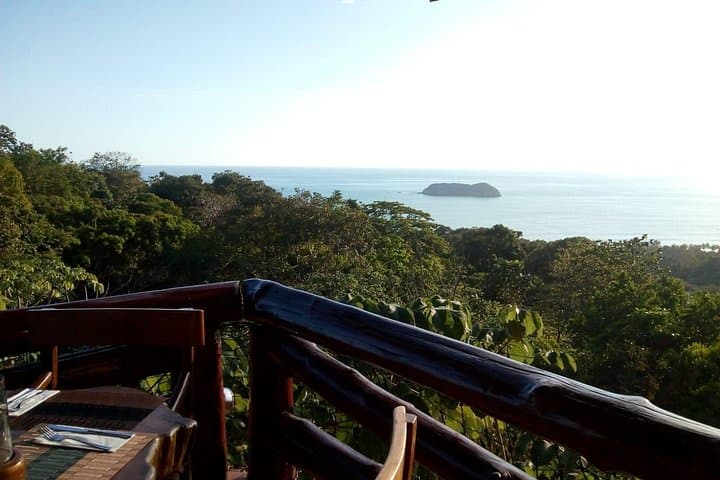
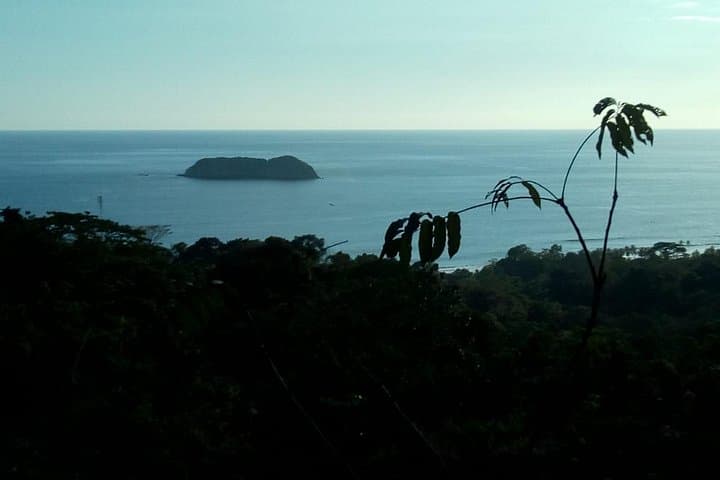
Manuel Antonio National Park, created on November 15, 1972, protects roughly 1,983 hectares of forest and an extensive marine zone. The park sits on Costa Rica’s central Pacific coast near Quepos, a landscape shaped by the collision of tectonic uplift and relentless Pacific erosion. The region’s cultural backbone is Quepos — a fishing and tourism hub whose seafood traditions and small-market stalls reflect coastal life.
On this full-day outing from San José (about a three-hour drive), expect a guided 2–3 hour nature hike focused on spotting white-faced capuchins, howler monkeys, sloths, iguanas and a rich coastal birdlife, followed by beach time and lunch. Trails are generally well-marked but include short steep sections and rooty terrain; stream crossings and slick rock are possible after rain.
Practical guidance: carry at least 1–2 liters of water, wear grippy shoes, apply insect repellent and a light rain shell. Tours typically include hotel pickup, bottled water and lunch, and require moderate fitness and a minimum of two people per booking. Stay on trails, keep distance from wildlife, and bring a camera with a zoom — sightings reward patience more than speed.
Expect about a three-hour drive each way depending on traffic; many tours include hotel pickup in San José, Alajuela or Heredia.
Common sightings include white-faced capuchin and howler monkeys, two- and three-toed sloths, iguanas, and a variety of coastal birds — sightings are frequent but never guaranteed.
Yes, families can do the guided trails, but participants should be comfortable walking on uneven ground for a couple of hours; tours typically recommend moderate fitness.
This full-day tour generally includes hotel pickup/drop-off, bottled water, a typical lunch, a guided hike, and beach time; confirm specifics with the operator.
Costa Rica Itinerary operates guided outdoor trips and adventures with an emphasis on safety, stewardship, and memorable experiences.
You step off the minivan with the warm Pacific breeze already working through the leaves — humid, salty, and alive. Trails fork through low-elevation rainforest where monkeys call overhead and the surf hammers the coastline below. The path climbs and drops across packed earth and exposed roots; sunlight punches through the canopy in bright shards that spotlight a sloth or a bright toucan cresting a branch.
You step off the minivan with the warm Pacific breeze already working through the leaves — humid, salty, and alive. Trails fork through low-elevation rainforest where monkeys call overhead and the surf hammers the coastline below. The path climbs and drops across packed earth and exposed roots; sunlight punches through the canopy in bright shards that spotlight a sloth or a bright toucan cresting a branch.
Manuel Antonio National Park, created on November 15, 1972, protects roughly 1,983 hectares of forest and an extensive marine zone. The park sits on Costa Rica’s central Pacific coast near Quepos, a landscape shaped by the collision of tectonic uplift and relentless Pacific erosion. The region’s cultural backbone is Quepos — a fishing and tourism hub whose seafood traditions and small-market stalls reflect coastal life.
On this full-day outing from San José (about a three-hour drive), expect a guided 2–3 hour nature hike focused on spotting white-faced capuchins, howler monkeys, sloths, iguanas and a rich coastal birdlife, followed by beach time and lunch. Trails are generally well-marked but include short steep sections and rooty terrain; stream crossings and slick rock are possible after rain.
Practical guidance: carry at least 1–2 liters of water, wear grippy shoes, apply insect repellent and a light rain shell. Tours typically include hotel pickup, bottled water and lunch, and require moderate fitness and a minimum of two people per booking. Stay on trails, keep distance from wildlife, and bring a camera with a zoom — sightings reward patience more than speed.