THE ADVENTURE COLLECTIVE® · Independent discovery and booking for outdoor travel

Spend a full day where coastal beaches meet wetlands and elephants roam—Maputo National Park combines game drives, birding and coastal scenery about 100 km southeast of Maputo. This guide covers what to expect, local context, and practical tips for a successful day in the reserve.
Spend a full day where coastal beaches meet wetlands and elephants roam—Maputo National Park combines game drives, birding and coastal scenery about 100 km southeast of Maputo. This guide covers what to expect, local context, and practical tips for a successful day in the reserve.
You roll east out of Maputo before dawn, the highway giving way to red earth and a horizon where mangrove and ocean argue for attention. By midmorning the vehicle eases onto park tracks and the reserve opens: a coastline that pushes at the land, wetlands that whisper, and elephants moving with the steady patience of the place.
Verified experiences and guided adventures in the surrounding area.
Operated by Maputo Tour Guides · Maputo, Maputo Province
You roll east out of Maputo before dawn, the highway giving way to red earth and a horizon where mangrove and ocean argue for attention. By midmorning the vehicle eases onto park tracks and the reserve opens: a coastline that pushes at the land, wetlands that whisper, and elephants moving with the steady patience of the place.
Declared in 1932 to protect a small coastal elephant population, Maputo National Park spans roughly 1,040 km² of lakes, swamp forest, grassland and mangrove. Geologically it’s a low-lying coastal plain carved by estuaries and tidal action; ecologically it sits inside the Maputaland Centre of Endemism. Local communities along the bay maintain strong fishing and coastal craft traditions, and the reserve now forms part of the Usuthu-Tembe-Futi Transfrontier Conservation Area.
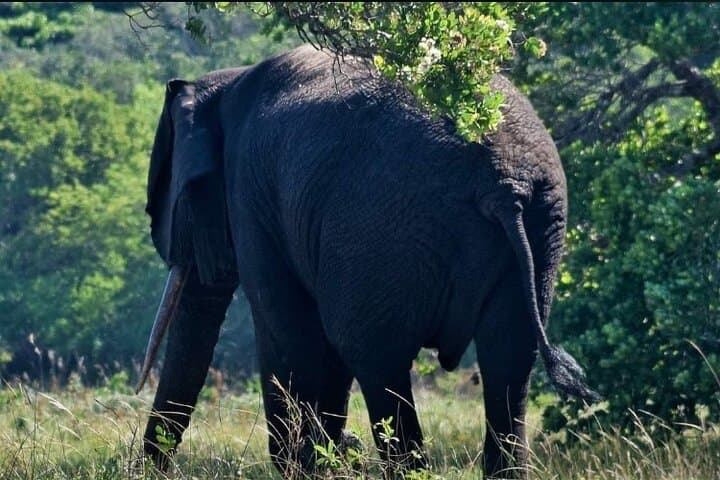
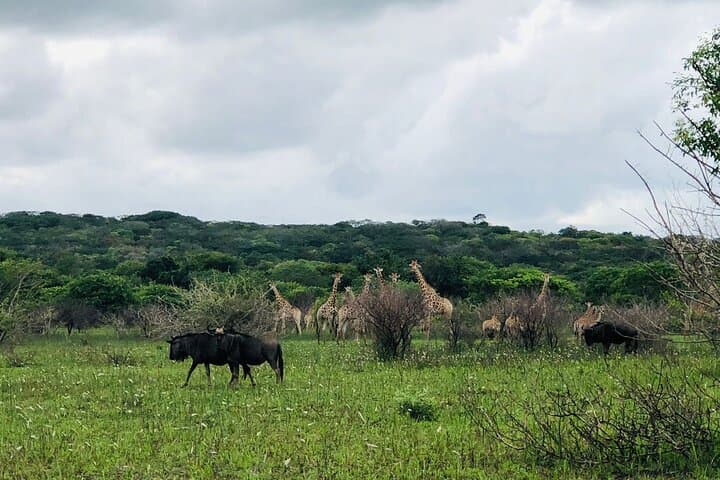
On a full-day outing expect game drives that target elephants (around 400 recorded), hippos in the estuaries, crocodiles, zebra and small antelope, plus raptors like the African fish eagle. Birding rewards patience; beaches offer a contrast to the game-viewing afternoons.
Practical guidance: tours typically run 8–9 hours with air-conditioned transport and brunch included, so pack water, sunscreen and insect repellent. Wear sturdy, closed-toe shoes for uneven tracks and short walks; binoculars and a long lens improve sightings. Roads may be dusty or corrugated—bring motion-sickness remedies if you’re susceptible. Follow guides’ directions around waterways and respect animal distances; sightings are best in the cooler, drier months when wildlife concentrates at water sources.
Most full-day tours include pick-up and drop-off from Maputo; vehicles are typically air-conditioned—confirm your pickup point when booking.
Children are allowed but infants must sit on an adult’s lap; specialized infant seats may be available—check operator policies before booking.
Expect to see elephants, hippos, crocodiles, zebra and a variety of antelope and shore and raptor bird species, though sightings vary by season and water availability.
The tour involves long vehicle drives over rough tracks and is not recommended for travelers with serious back, heart, or pregnancy-related conditions; review the operator’s health advisories.
Maputo Tour Guides operates guided outdoor trips and adventures with an emphasis on safety, stewardship, and memorable experiences.
You roll east out of Maputo before dawn, the highway giving way to red earth and a horizon where mangrove and ocean argue for attention. By midmorning the vehicle eases onto park tracks and the reserve opens: a coastline that pushes at the land, wetlands that whisper, and elephants moving with the steady patience of the place.
You roll east out of Maputo before dawn, the highway giving way to red earth and a horizon where mangrove and ocean argue for attention. By midmorning the vehicle eases onto park tracks and the reserve opens: a coastline that pushes at the land, wetlands that whisper, and elephants moving with the steady patience of the place.
Declared in 1932 to protect a small coastal elephant population, Maputo National Park spans roughly 1,040 km² of lakes, swamp forest, grassland and mangrove. Geologically it’s a low-lying coastal plain carved by estuaries and tidal action; ecologically it sits inside the Maputaland Centre of Endemism. Local communities along the bay maintain strong fishing and coastal craft traditions, and the reserve now forms part of the Usuthu-Tembe-Futi Transfrontier Conservation Area.
On a full-day outing expect game drives that target elephants (around 400 recorded), hippos in the estuaries, crocodiles, zebra and small antelope, plus raptors like the African fish eagle. Birding rewards patience; beaches offer a contrast to the game-viewing afternoons.
Practical guidance: tours typically run 8–9 hours with air-conditioned transport and brunch included, so pack water, sunscreen and insect repellent. Wear sturdy, closed-toe shoes for uneven tracks and short walks; binoculars and a long lens improve sightings. Roads may be dusty or corrugated—bring motion-sickness remedies if you’re susceptible. Follow guides’ directions around waterways and respect animal distances; sightings are best in the cooler, drier months when wildlife concentrates at water sources.