THE ADVENTURE COLLECTIVE® · Independent discovery and booking for outdoor travel

See Marrakech in a single, well-paced day: palaces, a 12th-century minaret, bustling souks and vivid gardens, all reached by private car from Casablanca. This private walking tour mixes guided history with practical city-savvy tips for a full cultural day.
See Marrakech in a single, well-paced day: palaces, a 12th-century minaret, bustling souks and vivid gardens, all reached by private car from Casablanca. This private walking tour mixes guided history with practical city-savvy tips for a full cultural day.
You step out of the private car onto a sun-warmed plaza and the city exhales around you: vendors call, copper lamps glint, and the minaret of the Koutoubia keeps watch. This one-day loop from Casablanca concentrates Marrakech into readable chapters—ornate palaces, a centuries-old mosque, courtyard schools, a living market, and gardens bright enough to stop your pace.
Verified experiences and guided adventures in the surrounding area.
Operated by CHIC TRAVEL MOROCCO · Marrakech, Marrakech-Safi
You step out of the private car onto a sun-warmed plaza and the city exhales around you: vendors call, copper lamps glint, and the minaret of the Koutoubia keeps watch. This one-day loop from Casablanca concentrates Marrakech into readable chapters—ornate palaces, a centuries-old mosque, courtyard schools, a living market, and gardens bright enough to stop your pace.
The route threads through layers of history. Marrakech rose as an Almoravid capital in the 11th–12th centuries; the Koutoubia’s 12th-century minaret and the Saadian Tombs trace those dynastic lines. Geologically the city sits on alluvial plains fed by the nearby High Atlas—its stonework and clay-adobe architecture respond to heat, sun, and the occasional winter rain. Culturally the medina is a working organism: artisans, spice sellers, and food hawkers sustain traditions that survive inside narrow, shaded alleys.
Expect mostly flat, cobbled streets with short walking sections—plan on 3–6 km of walking interspersed with breaks at monuments and cafés. Surfaces include uneven flagstones and packed dirt in some souk aisles; comfortable shoes make a big difference. Bring cash for small purchases, a sun hat and water, and enough patience to move with the tempo of the square.
Practically: the tour includes private transport and admissions to several sites, runs roughly 10–11 hours including transfers, and suits travelers of varying fitness. Use early or late daylight to avoid peak heat, and treat the medina with respectful curiosity—bargain politely and keep valuables secure.
Yes—private hotel pickup and drop-off in Casablanca are included as part of the private transportation.
Admissions to the listed monuments are included per the tour details, but confirm any optional sites with your provider before travel.
No—like many Moroccan mosques, Koutoubia’s interior is generally closed to non-Muslims; the exterior and surrounding gardens are highlights instead.
Lunch is not specified as included; plan to budget for a mid-day meal in a restaurant or a traditional riad café during the day.
CHIC TRAVEL MOROCCO operates guided outdoor trips and adventures with an emphasis on safety, stewardship, and memorable experiences.
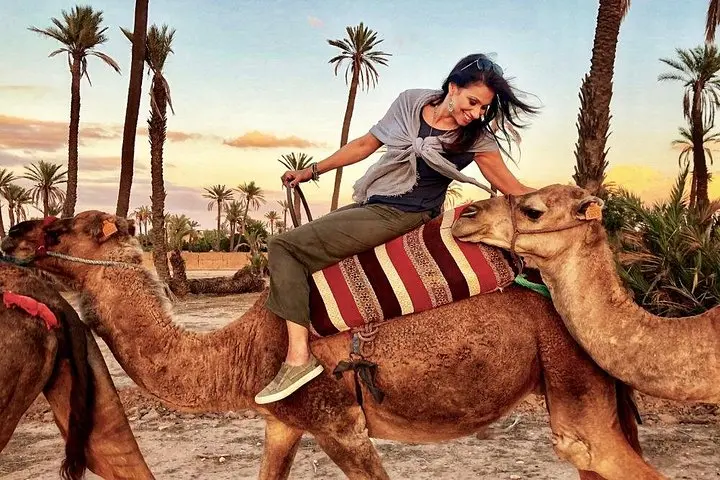
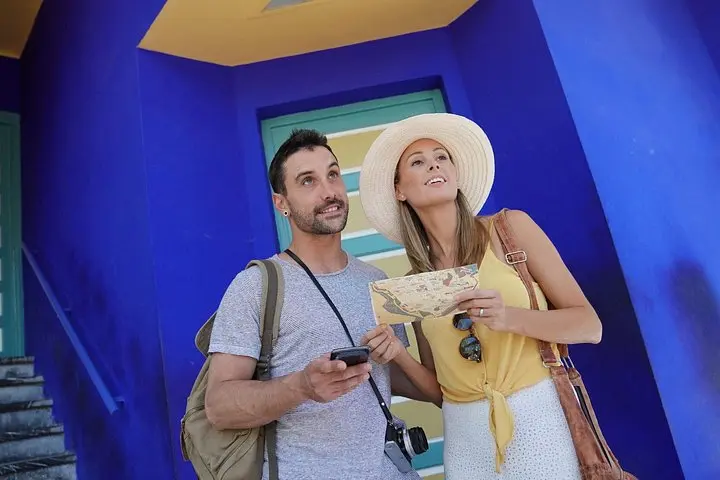
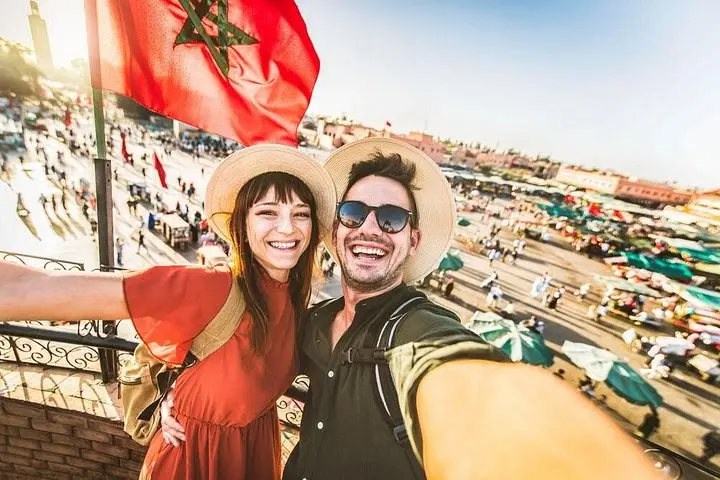
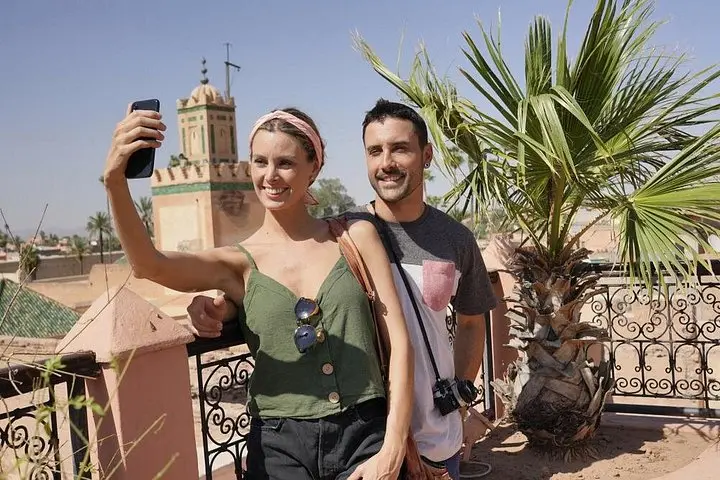
You step out of the private car onto a sun-warmed plaza and the city exhales around you: vendors call, copper lamps glint, and the minaret of the Koutoubia keeps watch. This one-day loop from Casablanca concentrates Marrakech into readable chapters—ornate palaces, a centuries-old mosque, courtyard schools, a living market, and gardens bright enough to stop your pace.
You step out of the private car onto a sun-warmed plaza and the city exhales around you: vendors call, copper lamps glint, and the minaret of the Koutoubia keeps watch. This one-day loop from Casablanca concentrates Marrakech into readable chapters—ornate palaces, a centuries-old mosque, courtyard schools, a living market, and gardens bright enough to stop your pace.
The route threads through layers of history. Marrakech rose as an Almoravid capital in the 11th–12th centuries; the Koutoubia’s 12th-century minaret and the Saadian Tombs trace those dynastic lines. Geologically the city sits on alluvial plains fed by the nearby High Atlas—its stonework and clay-adobe architecture respond to heat, sun, and the occasional winter rain. Culturally the medina is a working organism: artisans, spice sellers, and food hawkers sustain traditions that survive inside narrow, shaded alleys.
Expect mostly flat, cobbled streets with short walking sections—plan on 3–6 km of walking interspersed with breaks at monuments and cafés. Surfaces include uneven flagstones and packed dirt in some souk aisles; comfortable shoes make a big difference. Bring cash for small purchases, a sun hat and water, and enough patience to move with the tempo of the square.
Practically: the tour includes private transport and admissions to several sites, runs roughly 10–11 hours including transfers, and suits travelers of varying fitness. Use early or late daylight to avoid peak heat, and treat the medina with respectful curiosity—bargain politely and keep valuables secure.