THE ADVENTURE COLLECTIVE® · Independent discovery and booking for outdoor travel

Spend a full day with the Masai people of Kajiado for an intimate cultural exchange—songs, beadwork, and livestock traditions—on a short drive from Nairobi. Learn how pastoral life and early conservation practices shaped the region while walking village paths and meeting local families.
Spend a full day with the Masai people of Kajiado for an intimate cultural exchange—songs, beadwork, and livestock traditions—on a short drive from Nairobi. Learn how pastoral life and early conservation practices shaped the region while walking village paths and meeting local families.
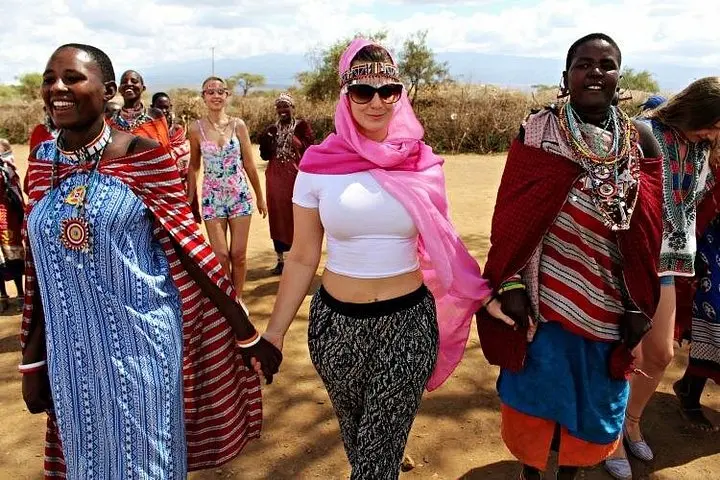
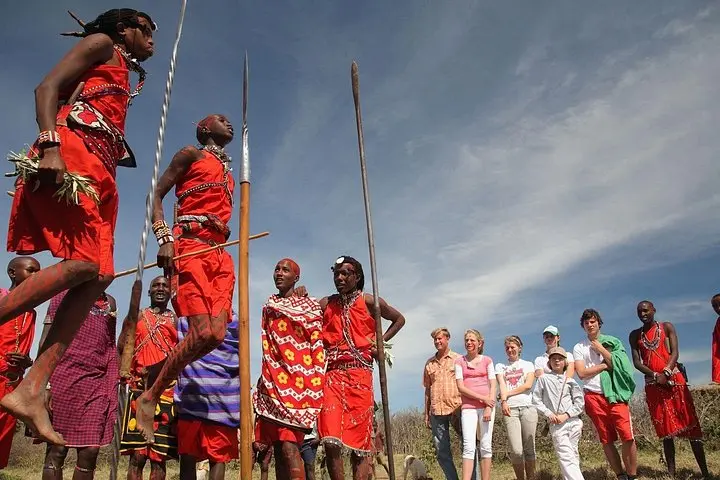
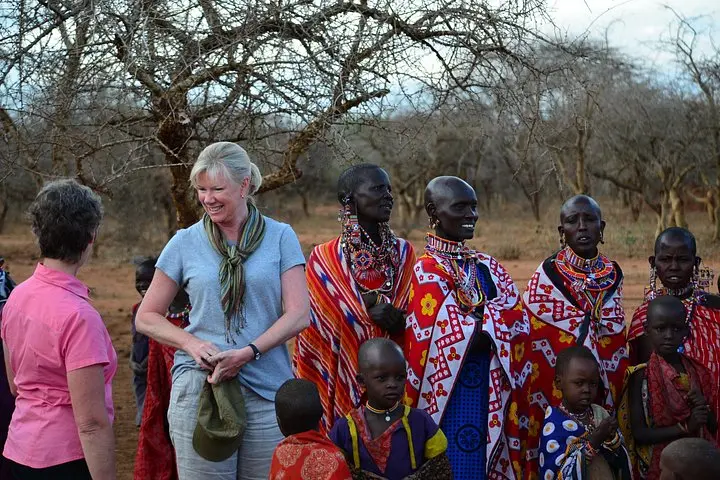
The day begins before the city stirs: an air-conditioned vehicle eases out of Nairobi as the road opens to wide, sun-baked plains. Acacia silhouettes and occasional herds set the rhythm; by midmorning you arrive at a Masai village where conversation is the first trailhead — greetings, songs, and an invitation to move at the community’s pace.
Verified experiences and guided adventures in the surrounding area.
Operated by Nairobi and Beyond Safaris · Kajiado, Kajiado County
The day begins before the city stirs: an air-conditioned vehicle eases out of Nairobi as the road opens to wide, sun-baked plains. Acacia silhouettes and occasional herds set the rhythm; by midmorning you arrive at a Masai village where conversation is the first trailhead — greetings, songs, and an invitation to move at the community’s pace.
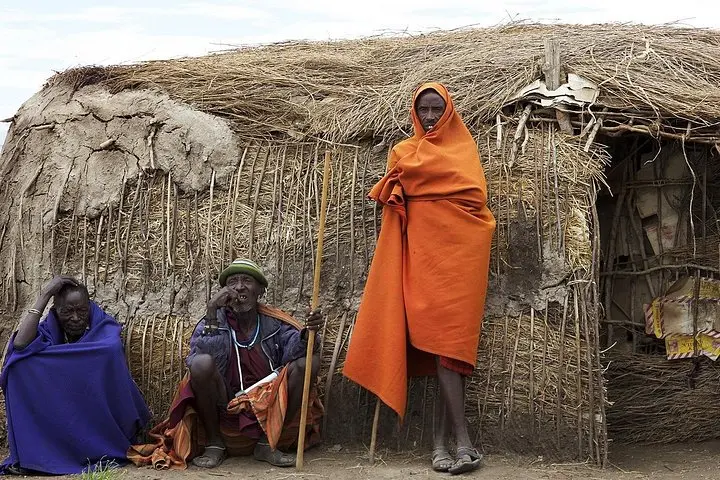
This region sits on the southern edge of Kenya’s Rift Valley and carries a long history of pastoralism. The Masai (also spelled Maasai) people have shaped both local land use and early wildlife conservation efforts by maintaining grazing patterns and protecting corridors for migratory species. Cultural practices here are living history: beadwork that marks age and status, ceremonial songs, and clan-based family structures that govern daily life.
Practicalities are simple but important. Expect a mix of compacted earth and village paths; wear closed shoes for uneven ground and bring sun protection — the plains are open and bright. The visit includes guided introductions, a chance to observe livestock management, and time to ask questions; photography is usually welcome but always ask before photographing individuals or ceremonies. Water and a professional driver-guide are provided, and the private format lets you tailor the experience to curiosity and comfort.
Timing matters: cooler morning hours make walking and conversation easier, and respect for customs — modest clothing, modest behavior, and small gifts or fair purchases — goes a long way. This is less a safari and more a close-in cultural exchange: you leave having seen how landscape, livestock, and tradition continue to shape life in Kajiado County.
Drive time typically ranges from 1.5 to 2.5 hours each way depending on traffic and the exact village location.
Yes; the tour is family-friendly. Infants should ride on laps in vehicles, and activities are adaptable for kids.
Basic inclusions list bottled water and transport; confirm meal arrangements with the operator before booking if you require lunch.
Wear modest, comfortable clothing that covers shoulders and knees for cultural respect; layers help for cooler mornings and hotter afternoons.
Nairobi and Beyond Safaris operates guided outdoor trips and adventures with an emphasis on safety, stewardship, and memorable experiences.
The day begins before the city stirs: an air-conditioned vehicle eases out of Nairobi as the road opens to wide, sun-baked plains. Acacia silhouettes and occasional herds set the rhythm; by midmorning you arrive at a Masai village where conversation is the first trailhead — greetings, songs, and an invitation to move at the community’s pace.
The day begins before the city stirs: an air-conditioned vehicle eases out of Nairobi as the road opens to wide, sun-baked plains. Acacia silhouettes and occasional herds set the rhythm; by midmorning you arrive at a Masai village where conversation is the first trailhead — greetings, songs, and an invitation to move at the community’s pace.
This region sits on the southern edge of Kenya’s Rift Valley and carries a long history of pastoralism. The Masai (also spelled Maasai) people have shaped both local land use and early wildlife conservation efforts by maintaining grazing patterns and protecting corridors for migratory species. Cultural practices here are living history: beadwork that marks age and status, ceremonial songs, and clan-based family structures that govern daily life.
Practicalities are simple but important. Expect a mix of compacted earth and village paths; wear closed shoes for uneven ground and bring sun protection — the plains are open and bright. The visit includes guided introductions, a chance to observe livestock management, and time to ask questions; photography is usually welcome but always ask before photographing individuals or ceremonies. Water and a professional driver-guide are provided, and the private format lets you tailor the experience to curiosity and comfort.
Timing matters: cooler morning hours make walking and conversation easier, and respect for customs — modest clothing, modest behavior, and small gifts or fair purchases — goes a long way. This is less a safari and more a close-in cultural exchange: you leave having seen how landscape, livestock, and tradition continue to shape life in Kajiado County.