THE ADVENTURE COLLECTIVE® · Independent discovery and booking for outdoor travel

A long day drive from Halkidiki delivers Meteora’s dramatic rock-top monasteries, historic chapels and sweeping ridge views. This full-day tour combines geology, Byzantine history and practical stops in Kalambaka and Kastraki—ideal for culture-minded outdoor travelers.
A long day drive from Halkidiki delivers Meteora’s dramatic rock-top monasteries, historic chapels and sweeping ridge views. This full-day tour combines geology, Byzantine history and practical stops in Kalambaka and Kastraki—ideal for culture-minded outdoor travelers.
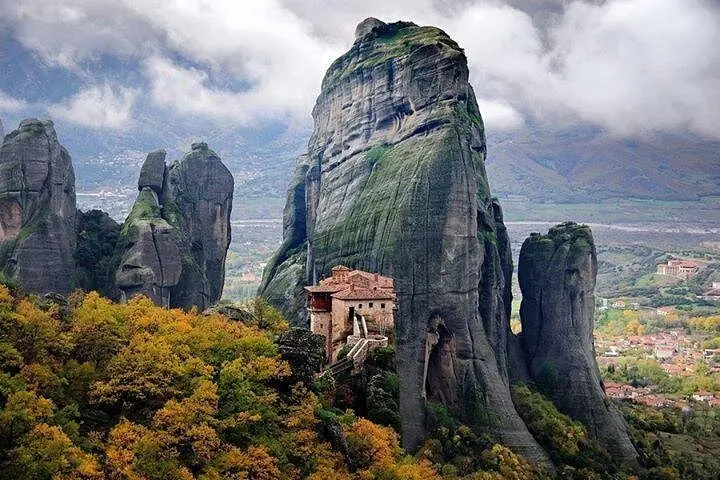
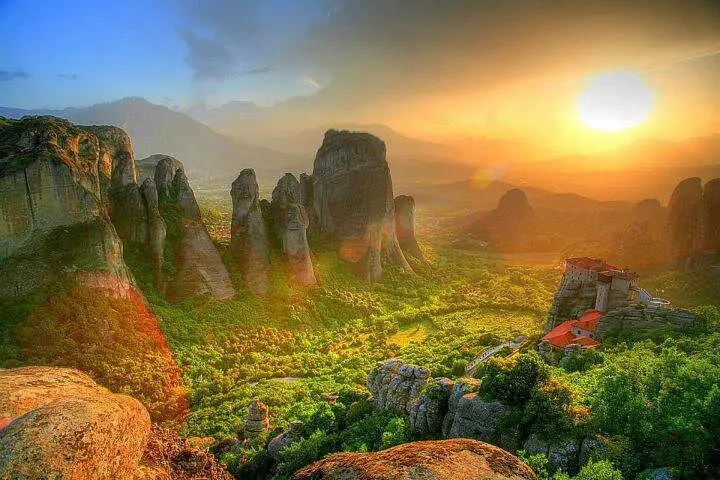
You arrive before the sun fully warms the stone, the road from Halkidiki folding away into Thessaly’s broad plains. By midmorning the road climbs; the jagged towers of Meteora appear like islands of rock rising from a green sea. The air is sharp, and the monasteries sit at heights up to 400 meters, their stone facades catching light and shadow as you move between viewpoints.
Verified experiences and guided adventures in the surrounding area.
Operated by PrimeTaxi - Transfers & Tours Services · Kalambaka, Thessaly
You arrive before the sun fully warms the stone, the road from Halkidiki folding away into Thessaly’s broad plains. By midmorning the road climbs; the jagged towers of Meteora appear like islands of rock rising from a green sea. The air is sharp, and the monasteries sit at heights up to 400 meters, their stone facades catching light and shadow as you move between viewpoints.
Meteora’s cliffs are sandstone and conglomerate carved over millions of years, smoothed by erosion into blunt pillars. Monastic life here began in the 11th–14th centuries; St. Athanasios the Meteorite helped found the Great Meteoron, and in 1988 the monasteries were inscribed on UNESCO’s World Heritage List for their cultural and architectural significance.
Local villages—Kalambaka and the compact Kastraki—keep a slow rhythm: cafés by the Litheos River, narrow lanes, and viewpoints where you can watch climbers and raptors share the thermals. Expect steep steps, narrow walkways and strict dress codes at monastery entrances (long sleeves and skirts/trousers required).
Practical guidance: this is a full-day, round-trip drive of roughly 7–8 hours with 3–4 hours of on-site time. Wear sturdy shoes for uneven stone paths, carry water, and plan for variable weather—winds can pick up on ridge-top terraces. Photography windows change quickly; arrive early at popular sites like Varlaam and Holy Trinity for clearer light and fewer crowds. If you prefer less walking, communicate that with your guide; the tour can be paced to suit most fitness levels. Bring a charged phone for navigation and a small daypack for layers and water.
Very: men must wear trousers and long sleeves; women must cover shoulders and wear a skirt or long trousers—most tours provide coverings if needed.
This tour notes landing and facility fees are included; confirm specifics with the operator for any optional-site charges.
Yes—guides can adapt the schedule to minimize walking and provide panoramic stops accessible by vehicle for visitors with limited mobility.
Yes—the itinerary typically stops in Kalambaka or Kastraki for an optional traditional Greek lunch after monastery visits.
PrimeTaxi - Transfers & Tours Services operates guided outdoor trips and adventures with an emphasis on safety, stewardship, and memorable experiences.

You arrive before the sun fully warms the stone, the road from Halkidiki folding away into Thessaly’s broad plains. By midmorning the road climbs; the jagged towers of Meteora appear like islands of rock rising from a green sea. The air is sharp, and the monasteries sit at heights up to 400 meters, their stone facades catching light and shadow as you move between viewpoints.
You arrive before the sun fully warms the stone, the road from Halkidiki folding away into Thessaly’s broad plains. By midmorning the road climbs; the jagged towers of Meteora appear like islands of rock rising from a green sea. The air is sharp, and the monasteries sit at heights up to 400 meters, their stone facades catching light and shadow as you move between viewpoints.
Meteora’s cliffs are sandstone and conglomerate carved over millions of years, smoothed by erosion into blunt pillars. Monastic life here began in the 11th–14th centuries; St. Athanasios the Meteorite helped found the Great Meteoron, and in 1988 the monasteries were inscribed on UNESCO’s World Heritage List for their cultural and architectural significance.
Local villages—Kalambaka and the compact Kastraki—keep a slow rhythm: cafés by the Litheos River, narrow lanes, and viewpoints where you can watch climbers and raptors share the thermals. Expect steep steps, narrow walkways and strict dress codes at monastery entrances (long sleeves and skirts/trousers required).
Practical guidance: this is a full-day, round-trip drive of roughly 7–8 hours with 3–4 hours of on-site time. Wear sturdy shoes for uneven stone paths, carry water, and plan for variable weather—winds can pick up on ridge-top terraces. Photography windows change quickly; arrive early at popular sites like Varlaam and Holy Trinity for clearer light and fewer crowds. If you prefer less walking, communicate that with your guide; the tour can be paced to suit most fitness levels. Bring a charged phone for navigation and a small daypack for layers and water.