THE ADVENTURE COLLECTIVE® · Independent discovery and booking for outdoor travel

A private full-day drive from Athens brings you to Meteora’s dramatic rock pinnacles and centuries-old cliff-top monasteries. Expect scenic viewpoints, short hikes, and cultural immersion with practical tips for visiting sacred sites.
A private full-day drive from Athens brings you to Meteora’s dramatic rock pinnacles and centuries-old cliff-top monasteries. Expect scenic viewpoints, short hikes, and cultural immersion with practical tips for visiting sacred sites.
You round a highway bend and the plain opens: needle-like sandstone pillars rise from the Thessalian floor, cliffs catching the light like stacked towers. Meteora’s rocks command attention—ancient stone columns that seem to challenge gravity and ask you to look up.
Verified experiences and guided adventures in the surrounding area.
Operated by Athens Experiences · Kalambaka, Thessaly
You round a highway bend and the plain opens: needle-like sandstone pillars rise from the Thessalian floor, cliffs catching the light like stacked towers. Meteora’s rocks command attention—ancient stone columns that seem to challenge gravity and ask you to look up.
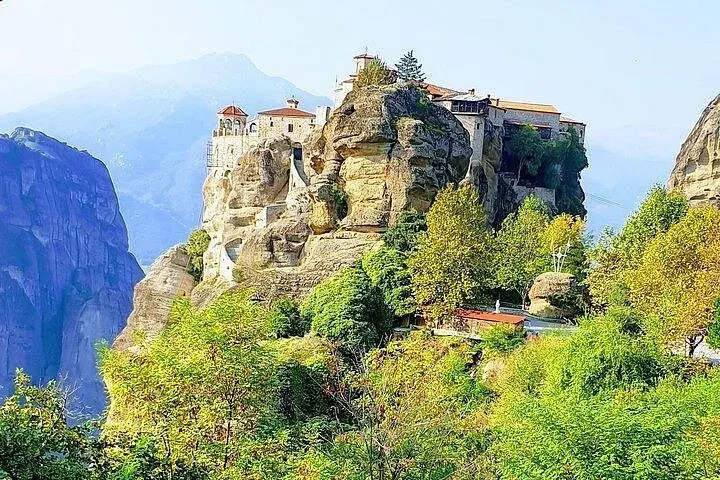
The driving route from Athens cuts across the Greek mainland, skirting olive groves and the pass at Thermopylae, where history and landscape meet. The rock formations of Meteora are the worn remains of a river delta and seabed uplifted by tectonic forces millions of years ago; Byzantine hermits saw refuge in their hollows and, from the 11th century, built monasteries on summits reachable only by rope ladders and resolve. Today six monasteries remain active and UNESCO protects their frescoes and libraries.
A private full-day tour typically includes a few monastery visits (expect to see 2–3), short guided walks between viewpoints, and a village lunch in Kastraki or Kalambaka. The terrain is stone stairways, narrow cliff-top paths and short paved roads; viewpoints offer sweeping panoramas and close-up geological detail. Monasteries operate modest entrance fees and enforce dress codes—shoulders and knees covered.
Practical planning matters: start early to avoid midday heat and crowds, wear grippy shoes for uneven steps, and carry water—the sun and altitude can dry you out fast. Photography is outstanding at golden hour; if you prefer quieter moments, ask your guide to time visits outside peak hours. Respect the sites: these are living religious spaces and fragile rock formations, so stay on trails and follow local regulations.
Expect about 4–5 hours each way by private vehicle depending on traffic, making this a full 10–12 hour day with stops.
Most tours do not include entrance fees; plan a small cash amount for 2–3 monasteries (typically a few euros each) and check opening days in advance.
Short walks and many stairs mean the tour is best for able-bodied visitors; infant seats may be available in vehicles but accessibility inside monasteries is limited.
Shoulders and knees must be covered; women may need to wear skirts provided by some monasteries or bring a scarf to comply.
Athens Experiences operates guided outdoor trips and adventures with an emphasis on safety, stewardship, and memorable experiences.
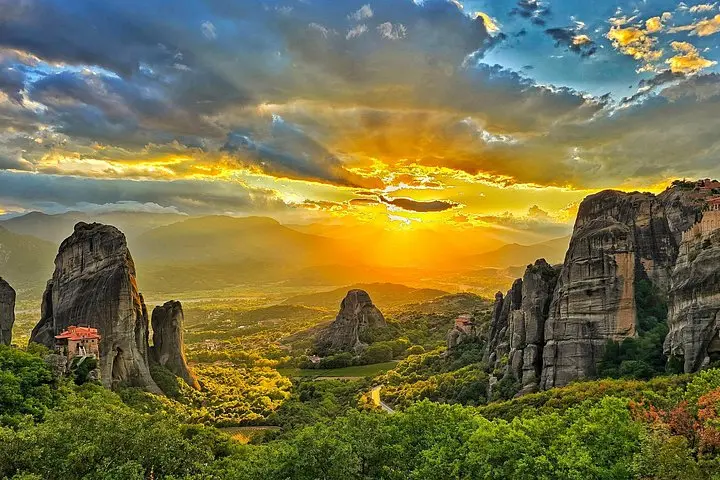
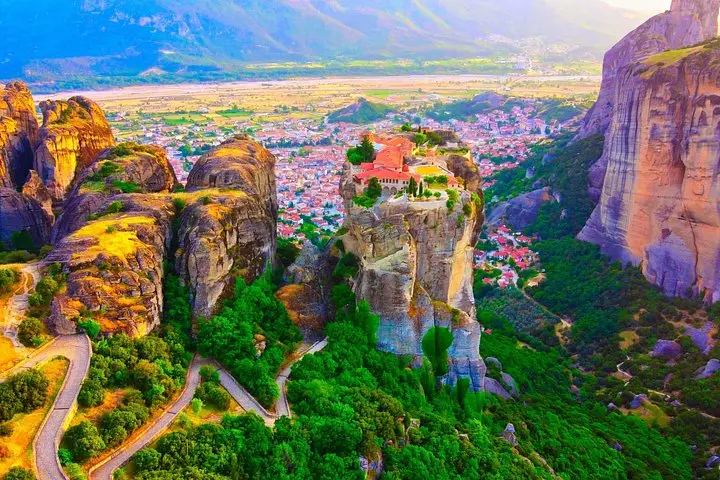
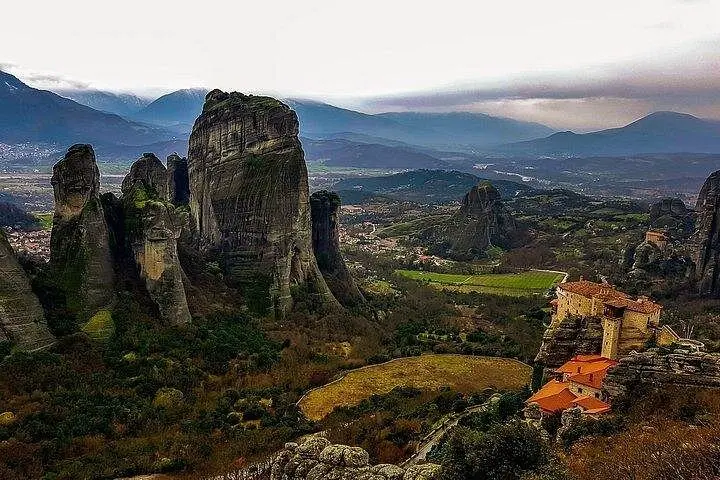
You round a highway bend and the plain opens: needle-like sandstone pillars rise from the Thessalian floor, cliffs catching the light like stacked towers. Meteora’s rocks command attention—ancient stone columns that seem to challenge gravity and ask you to look up.
You round a highway bend and the plain opens: needle-like sandstone pillars rise from the Thessalian floor, cliffs catching the light like stacked towers. Meteora’s rocks command attention—ancient stone columns that seem to challenge gravity and ask you to look up.
The driving route from Athens cuts across the Greek mainland, skirting olive groves and the pass at Thermopylae, where history and landscape meet. The rock formations of Meteora are the worn remains of a river delta and seabed uplifted by tectonic forces millions of years ago; Byzantine hermits saw refuge in their hollows and, from the 11th century, built monasteries on summits reachable only by rope ladders and resolve. Today six monasteries remain active and UNESCO protects their frescoes and libraries.
A private full-day tour typically includes a few monastery visits (expect to see 2–3), short guided walks between viewpoints, and a village lunch in Kastraki or Kalambaka. The terrain is stone stairways, narrow cliff-top paths and short paved roads; viewpoints offer sweeping panoramas and close-up geological detail. Monasteries operate modest entrance fees and enforce dress codes—shoulders and knees covered.
Practical planning matters: start early to avoid midday heat and crowds, wear grippy shoes for uneven steps, and carry water—the sun and altitude can dry you out fast. Photography is outstanding at golden hour; if you prefer quieter moments, ask your guide to time visits outside peak hours. Respect the sites: these are living religious spaces and fragile rock formations, so stay on trails and follow local regulations.