THE ADVENTURE COLLECTIVE® · Independent discovery and booking for outdoor travel

Spend a full day on Miyajima: ropeway and short hike to Mt. Misen, a close-up of the floating Otorii at Itsukushima Shrine, temple visits, street-side oysters and local sweets. This practical guide prepares you for the island’s tides, trails, and flavors.
Spend a full day on Miyajima: ropeway and short hike to Mt. Misen, a close-up of the floating Otorii at Itsukushima Shrine, temple visits, street-side oysters and local sweets. This practical guide prepares you for the island’s tides, trails, and flavors.
Salt air and cedar shadow meet before you step off the ferry: the vermilion Otorii stands half-submerged at high tide like a watchful gate, and the island’s cedar slopes rise quickly behind the shrine.
Verified experiences and guided adventures in the surrounding area.
Operated by Miyu · Hatsukaichi, Hiroshima Prefecture
Salt air and cedar shadow meet before you step off the ferry: the vermilion Otorii stands half-submerged at high tide like a watchful gate, and the island’s cedar slopes rise quickly behind the shrine.
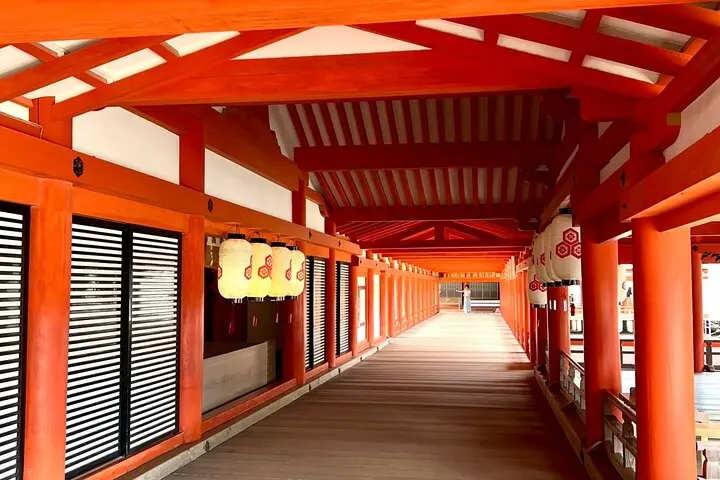
Start with a ropeway glide to Mt. Misen’s mid-station, then a 30-minute uphill walk to the summit where a continuously tended sacred fire (Reikado) keeps company with a 360-degree view of the Seto Inland Sea. Back down, the UNESCO-listed Itsukushima Shrine shifts with the tide—floating at high water, grounded and intimate at low.
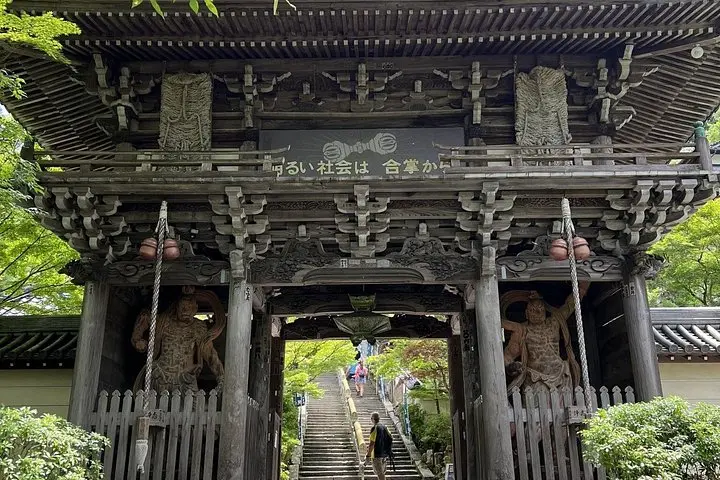
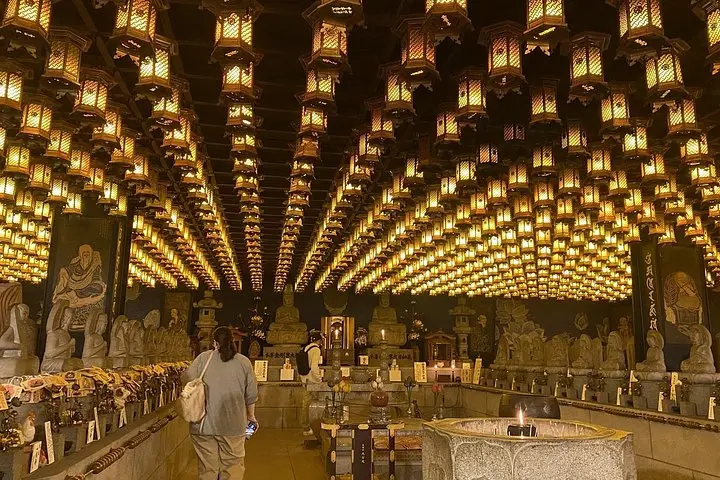
Miyajima’s human story is a mix of Shinto ritual and maritime trade: the shrine complex dates to the 12th century and the island has been treated as sacred ground for centuries, so architecture and pathways avoid permanent burial sites and modern sprawl. Geologically, the island’s steep forested slopes are typical of the islands dotting the Inland Sea, providing abrupt elevation change that rewards short, steep hikes with panoramic outlooks.
Culturally the island hums with small vendors—grilled oysters, lemon juice, and momiji manju—while tame sika deer thread the streets, bold but living reminders to store food securely.
Practical guidance: expect a 7–8 hour day if you linger for food and temples. Wear sturdy walking shoes, carry water and cash for street food, and check tide charts if you want the ideal Otorii photo. The route includes ropeway rides and short steep sections; moderate fitness and caution on wet stairs are advised.
Take the JR train or tram to Miyajimaguchi station, then a short ferry ride to the island—ferries run frequently and both JR and private services operate the crossing.
The ropeway reduces elevation gain; the summit approach is a 20–40 minute hike on uneven trail and steps—suitable for most people with moderate fitness.
This tour’s inclusions list guide fee and a map; shrine grounds are generally free to enter though some temple buildings and special exhibits may charge admission.
Yes—at low tide you can walk closer to the Otorii, but check tide times and avoid entering restricted areas or crossing with food in hand to protect the site.
Miyu operates guided outdoor trips and adventures with an emphasis on safety, stewardship, and memorable experiences.
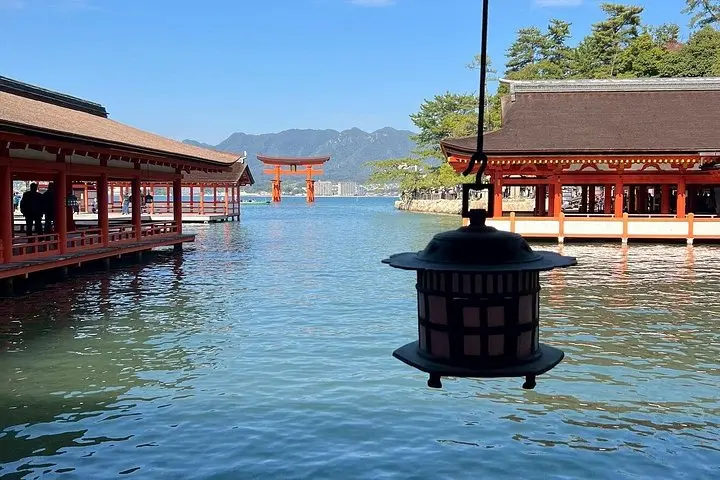
Salt air and cedar shadow meet before you step off the ferry: the vermilion Otorii stands half-submerged at high tide like a watchful gate, and the island’s cedar slopes rise quickly behind the shrine.
Salt air and cedar shadow meet before you step off the ferry: the vermilion Otorii stands half-submerged at high tide like a watchful gate, and the island’s cedar slopes rise quickly behind the shrine.
Start with a ropeway glide to Mt. Misen’s mid-station, then a 30-minute uphill walk to the summit where a continuously tended sacred fire (Reikado) keeps company with a 360-degree view of the Seto Inland Sea. Back down, the UNESCO-listed Itsukushima Shrine shifts with the tide—floating at high water, grounded and intimate at low.
Miyajima’s human story is a mix of Shinto ritual and maritime trade: the shrine complex dates to the 12th century and the island has been treated as sacred ground for centuries, so architecture and pathways avoid permanent burial sites and modern sprawl. Geologically, the island’s steep forested slopes are typical of the islands dotting the Inland Sea, providing abrupt elevation change that rewards short, steep hikes with panoramic outlooks.
Culturally the island hums with small vendors—grilled oysters, lemon juice, and momiji manju—while tame sika deer thread the streets, bold but living reminders to store food securely.
Practical guidance: expect a 7–8 hour day if you linger for food and temples. Wear sturdy walking shoes, carry water and cash for street food, and check tide charts if you want the ideal Otorii photo. The route includes ropeway rides and short steep sections; moderate fitness and caution on wet stairs are advised.