THE ADVENTURE COLLECTIVE® · Independent discovery and booking for outdoor travel

A full-day guided loop from Oaxaca City that pairs the plateaued ruins of Monte Albán with intimate visits to barro negro potters, hip-loom weavers and alebrije carvers. Expect 9–10 hours, an expert guide, and hands-on craft demonstrations.
A full-day guided loop from Oaxaca City that pairs the plateaued ruins of Monte Albán with intimate visits to barro negro potters, hip-loom weavers and alebrije carvers. Expect 9–10 hours, an expert guide, and hands-on craft demonstrations.
You step out onto Macedonio Alcalá as sunlight hits the cobbled pedestrian street and the guide’s voice rises above street vendors — the day begins with the valley’s wind nudging you toward Monte Albán. The archaeological plaza perches on a flattened hill, its plazas and pyramids watching over the Oaxaca Valley like an old storyteller that refuses to be hurried.
Verified experiences and guided adventures in the surrounding area.
Operated by Continental Istmo Tours · Oaxaca de Juárez, Oaxaca
You step out onto Macedonio Alcalá as sunlight hits the cobbled pedestrian street and the guide’s voice rises above street vendors — the day begins with the valley’s wind nudging you toward Monte Albán. The archaeological plaza perches on a flattened hill, its plazas and pyramids watching over the Oaxaca Valley like an old storyteller that refuses to be hurried.
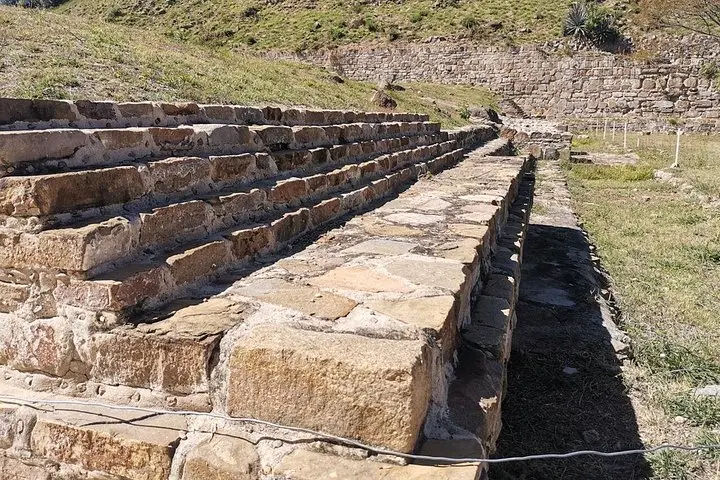
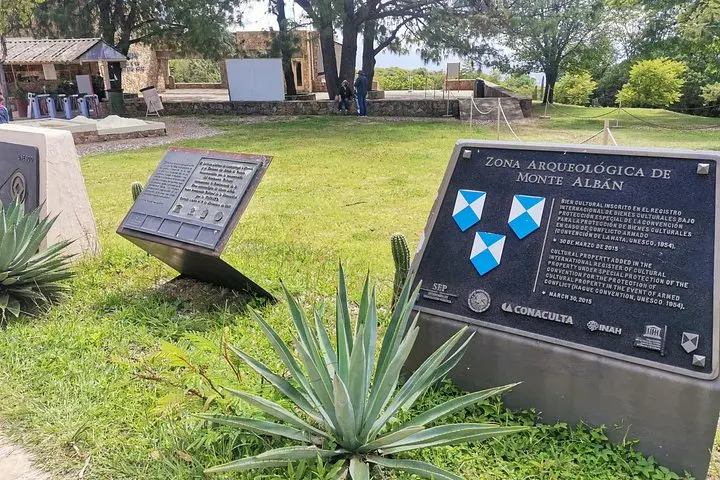
Monte Albán was a Zapotec capital from roughly 500 BCE to 800 CE; its terraces and carved stones reveal a civilization that engineered earth and stone to command the view. The hill itself is limestone; erosion and human leveling created the broad plazas you walk today. After the site, the tour threads through nearby artisan towns: San Bartolo Coyotepec, where barro negro pottery’s glossy black finish is achieved by burnishing and firing; Santo Tomás Jalieza, where hip-loom weavers produce colorful cotton textiles; and San Martín Tilcajete, home of alebrije carvers who cut and paint fantastical wooden figures.
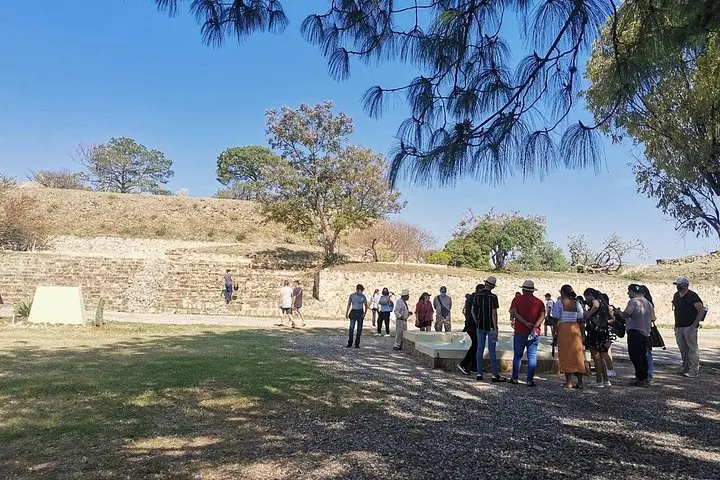
Practical notes: expect a 9–10 hour shared tour with an English- or Spanish-speaking certified guide, air-conditioned transport, and seated buffet lunch; bring cash for site entry, food, and purchases. Monte Albán sits near 1,940 m elevation — take it steady if you’re sensitive to altitude. Footwear should handle dusty, uneven paths and short climbs; sun protection and water matter more than speed. The itinerary balances history and hands-on craft demonstrations, so plan for a long day of standing, walking short archaeological routes, and close-up craft demonstrations. Leave extra space in your bag for a small purchase and a camera — the views across the valley often reward the climb.
The tour runs about 9–10 hours and departs from an office on Macedonio Alcalá (Andador Turístico) in Oaxaca City's historic center.
Entrance to Monte Albán is typically not included—bring cash to pay onsite as noted by the operator.
Guides can conduct tours in Spanish and English; the company notes bilingual service as needed but confirm at booking if you require English.
The tour involves walking on uneven terrain and stairs at Monte Albán and short walks in workshops; it may not be suitable for those with serious spinal or mobility restrictions.
Continental Istmo Tours operates guided outdoor trips and adventures with an emphasis on safety, stewardship, and memorable experiences.
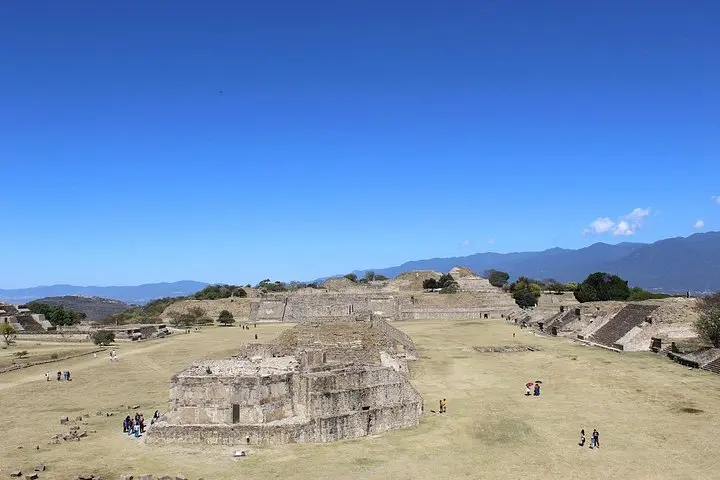
You step out onto Macedonio Alcalá as sunlight hits the cobbled pedestrian street and the guide’s voice rises above street vendors — the day begins with the valley’s wind nudging you toward Monte Albán. The archaeological plaza perches on a flattened hill, its plazas and pyramids watching over the Oaxaca Valley like an old storyteller that refuses to be hurried.
You step out onto Macedonio Alcalá as sunlight hits the cobbled pedestrian street and the guide’s voice rises above street vendors — the day begins with the valley’s wind nudging you toward Monte Albán. The archaeological plaza perches on a flattened hill, its plazas and pyramids watching over the Oaxaca Valley like an old storyteller that refuses to be hurried.
Monte Albán was a Zapotec capital from roughly 500 BCE to 800 CE; its terraces and carved stones reveal a civilization that engineered earth and stone to command the view. The hill itself is limestone; erosion and human leveling created the broad plazas you walk today. After the site, the tour threads through nearby artisan towns: San Bartolo Coyotepec, where barro negro pottery’s glossy black finish is achieved by burnishing and firing; Santo Tomás Jalieza, where hip-loom weavers produce colorful cotton textiles; and San Martín Tilcajete, home of alebrije carvers who cut and paint fantastical wooden figures.
Practical notes: expect a 9–10 hour shared tour with an English- or Spanish-speaking certified guide, air-conditioned transport, and seated buffet lunch; bring cash for site entry, food, and purchases. Monte Albán sits near 1,940 m elevation — take it steady if you’re sensitive to altitude. Footwear should handle dusty, uneven paths and short climbs; sun protection and water matter more than speed. The itinerary balances history and hands-on craft demonstrations, so plan for a long day of standing, walking short archaeological routes, and close-up craft demonstrations. Leave extra space in your bag for a small purchase and a camera — the views across the valley often reward the climb.