THE ADVENTURE COLLECTIVE® · Independent discovery and booking for outdoor travel

Spend a full day in Monteverde’s cloud forest with a certified guide, free binoculars and a telescope to seek Resplendent Quetzals, Bellbirds and nearly 600 species. Expect misty trails, variable weather, and a slow, rewarding pace ideal for serious birders and curious travelers.
Spend a full day in Monteverde’s cloud forest with a certified guide, free binoculars and a telescope to seek Resplendent Quetzals, Bellbirds and nearly 600 species. Expect misty trails, variable weather, and a slow, rewarding pace ideal for serious birders and curious travelers.
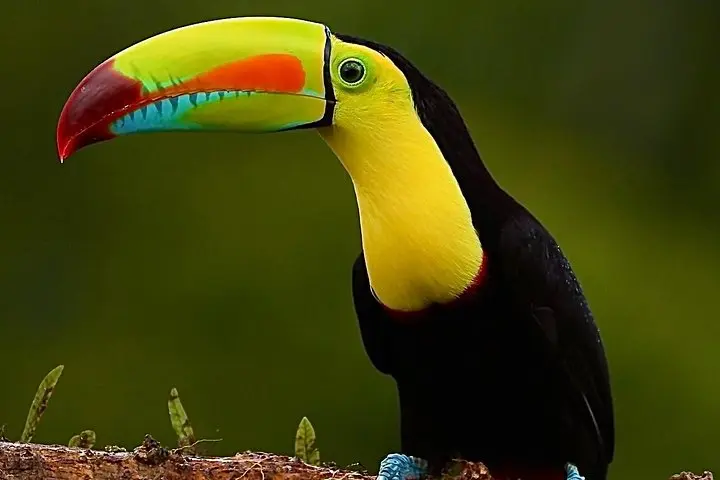
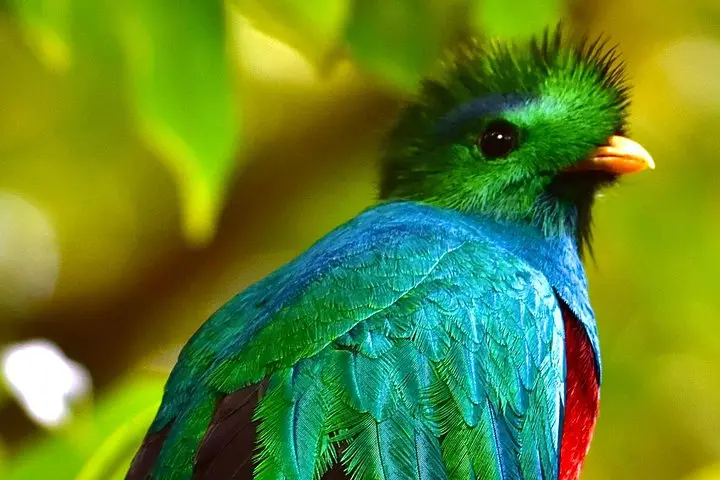
You step off the forest road into a cool mist that clings to oak trunks and bromeliads. The cloud forest hush is punctuated by single, ringing calls—bellbirds answering across the valley, a quick flash of emerald as a quetzal slips between branches. For eight hours, a local guide threads narrow trails and ridge-lines in search of Monteverde’s famous avifauna, using telescopes and the free binoculars provided to bring distant colors close.
Verified experiences and guided adventures in the surrounding area.
Operated by George of the Cloud Forest · Santa Elena, Puntarenas
You step off the forest road into a cool mist that clings to oak trunks and bromeliads. The cloud forest hush is punctuated by single, ringing calls—bellbirds answering across the valley, a quick flash of emerald as a quetzal slips between branches. For eight hours, a local guide threads narrow trails and ridge-lines in search of Monteverde’s famous avifauna, using telescopes and the free binoculars provided to bring distant colors close.
Geology and climate here are decisive: the Continental Divide lifts humid Pacific air into clouds, feeding moss-draped forests at roughly 1,400–1,600 m elevation. Human history is recent but influential—the area became a conservation focus after Quaker settlers and scientists protected pockets of forest in the 1970s, creating reserves that now shelter nearly 600 bird species. Local culture blends small-town Costa Rican life with a long-running eco-tourism ethic.
Practically, expect uneven, sometimes muddy trails, frequent mist, and bursts of activity at dawn and mid-morning when hummingbirds, tanagers, bellbirds and owls are most vocal. The tour is private and led by a certified guide who brings species checklists, a telescope, and a homemade snack; wear treaded shoes, quiet clothing, and layered outerwear. Carry water, respect silence for better sightings, and plan for early starts—the best views come when the forest wakes. This trip is built for patient observers: bring a camera with a telephoto lens if you want close images, but be ready to simply watch and listen—Monteverde rewards attention.
Sightings vary by season and weather; expect dozens of species in a day and a good chance to see signature birds like the Resplendent Quetzal or Three-wattled Bellbird with an expert guide.
Yes—it's a private tour and pace can be adjusted, but participants should be able to walk several hours on uneven ground; notify guides of mobility limits when booking.
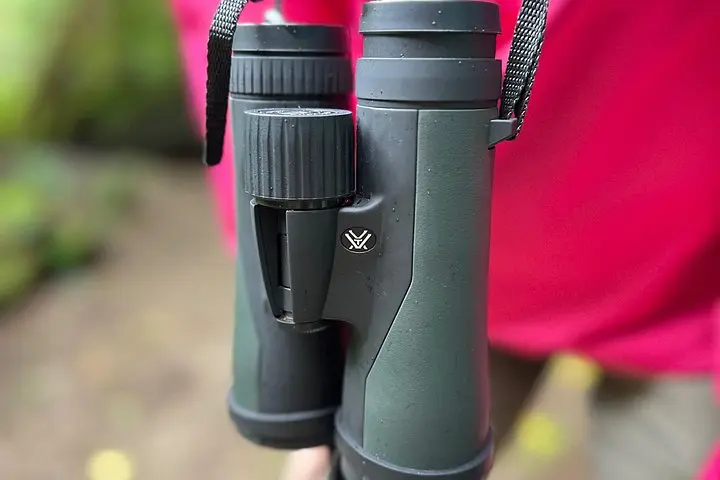
The tour includes a certified local guide, free binoculars to share, a telescope for distant views, a traditional snack, and a species checklist for recording sightings.
Early morning through mid-morning is most productive; some species are active again in late afternoon, but mist and rain become more frequent then.
George of the Cloud Forest operates guided outdoor trips and adventures with an emphasis on safety, stewardship, and memorable experiences.

You step off the forest road into a cool mist that clings to oak trunks and bromeliads. The cloud forest hush is punctuated by single, ringing calls—bellbirds answering across the valley, a quick flash of emerald as a quetzal slips between branches. For eight hours, a local guide threads narrow trails and ridge-lines in search of Monteverde’s famous avifauna, using telescopes and the free binoculars provided to bring distant colors close.
You step off the forest road into a cool mist that clings to oak trunks and bromeliads. The cloud forest hush is punctuated by single, ringing calls—bellbirds answering across the valley, a quick flash of emerald as a quetzal slips between branches. For eight hours, a local guide threads narrow trails and ridge-lines in search of Monteverde’s famous avifauna, using telescopes and the free binoculars provided to bring distant colors close.
Geology and climate here are decisive: the Continental Divide lifts humid Pacific air into clouds, feeding moss-draped forests at roughly 1,400–1,600 m elevation. Human history is recent but influential—the area became a conservation focus after Quaker settlers and scientists protected pockets of forest in the 1970s, creating reserves that now shelter nearly 600 bird species. Local culture blends small-town Costa Rican life with a long-running eco-tourism ethic.
Practically, expect uneven, sometimes muddy trails, frequent mist, and bursts of activity at dawn and mid-morning when hummingbirds, tanagers, bellbirds and owls are most vocal. The tour is private and led by a certified guide who brings species checklists, a telescope, and a homemade snack; wear treaded shoes, quiet clothing, and layered outerwear. Carry water, respect silence for better sightings, and plan for early starts—the best views come when the forest wakes. This trip is built for patient observers: bring a camera with a telephoto lens if you want close images, but be ready to simply watch and listen—Monteverde rewards attention.