THE ADVENTURE COLLECTIVE® · Independent discovery and booking for outdoor travel

This full-day tour from Dubrovnik pairs a swim beneath the travertine terraces of Kravica Waterfalls with a cultural visit to Mostar’s 16th-century Stari Most. Expect a long but rewarding day with time for swimming, photos, and local food.
This full-day tour from Dubrovnik pairs a swim beneath the travertine terraces of Kravica Waterfalls with a cultural visit to Mostar’s 16th-century Stari Most. Expect a long but rewarding day with time for swimming, photos, and local food.
A mid-morning highway unwind: the Adriatic light slips behind you and the coach hums through karst fields as you head inland from Dubrovnik. By the time the road narrows and the pines lean close, Kravica Waterfalls has already begun to announce itself—water cutting terraces into limestone, pools catching the sunlight and daring you to jump in.
Verified experiences and guided adventures in the surrounding area.
Operated by Ragusa Tours · Mostar, Federation of Bosnia and Herzegovina
A mid-morning highway unwind: the Adriatic light slips behind you and the coach hums through karst fields as you head inland from Dubrovnik. By the time the road narrows and the pines lean close, Kravica Waterfalls has already begun to announce itself—water cutting terraces into limestone, pools catching the sunlight and daring you to jump in.
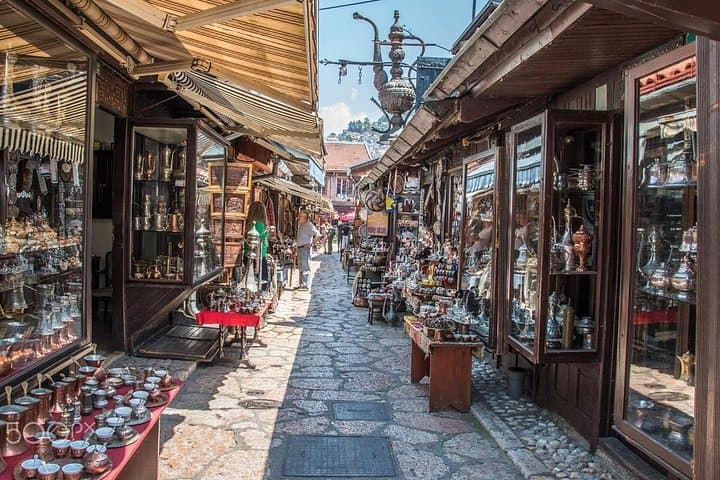
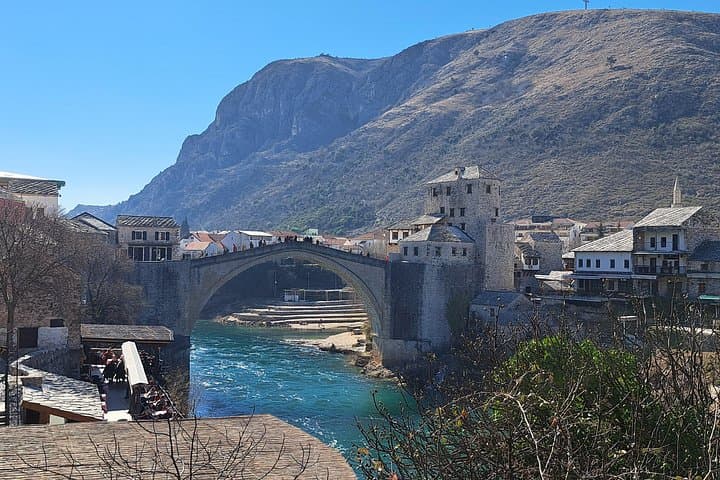
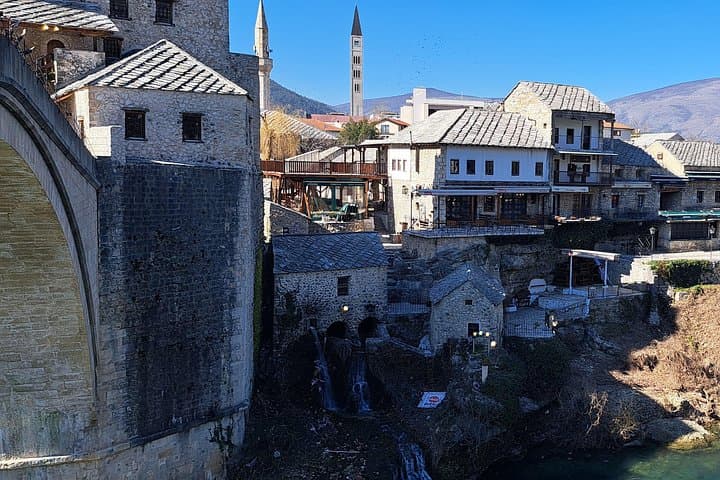
Kravica (Kravice) is a block-type travertine cascade on the Trebižat River, formed where tufa deposits slow and spread the river into fan-shaped falls. Nearby Mostar wears its Ottoman-era history visibly: the 16th-century Stari Most arch bridge spans the Neretva, a stitched scar of stone that since reconstruction frames a lively bazar and riverside cafés. The region folds together geology and culture—limestone plateaus, Ottoman and Austro-Hungarian layers of settlement, and modern Bosnian life.
On a full-day run from Dubrovnik you’ll have 90–180 minutes at Kravica for a swim, photos, or a riverside drink, then a few hours in Mostar to explore the bridge, cobbled lanes, and local cuisine.
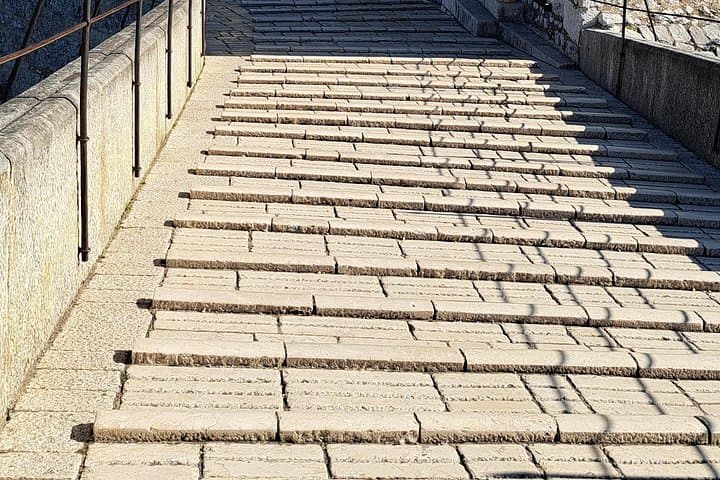
Practical notes: bring your passport for the border crossing, plan for a long day (roughly 14 hours), and pack swimwear and sturdy shoes for uneven paths around the falls and cobbles in Mostar. Summer brings crowds and warm water; spring and fall offer cooler, quieter conditions. Expect basic food options near both sites and limited changing facilities at Kravica. The day blends easy walking with cultural sightseeing—ideal for travelers who want both a natural swim and a compact history lesson in one outing.
Yes—this tour crosses the border between Croatia and Bosnia and Herzegovina; a valid passport is required for all travelers.
Yes—swimming is allowed in the designated pool areas; water is clear but can be cool outside summer months.
Food is not typically included; you’ll have time in Mostar to eat at local restaurants and can buy drinks or snacks near Kravica.
The tour is roughly 14 hours including transit; it’s suitable for families but requires stamina for a long day—infant seats are available on request.
Ragusa Tours operates guided outdoor trips and adventures with an emphasis on safety, stewardship, and memorable experiences.
A mid-morning highway unwind: the Adriatic light slips behind you and the coach hums through karst fields as you head inland from Dubrovnik. By the time the road narrows and the pines lean close, Kravica Waterfalls has already begun to announce itself—water cutting terraces into limestone, pools catching the sunlight and daring you to jump in.
A mid-morning highway unwind: the Adriatic light slips behind you and the coach hums through karst fields as you head inland from Dubrovnik. By the time the road narrows and the pines lean close, Kravica Waterfalls has already begun to announce itself—water cutting terraces into limestone, pools catching the sunlight and daring you to jump in.
Kravica (Kravice) is a block-type travertine cascade on the Trebižat River, formed where tufa deposits slow and spread the river into fan-shaped falls. Nearby Mostar wears its Ottoman-era history visibly: the 16th-century Stari Most arch bridge spans the Neretva, a stitched scar of stone that since reconstruction frames a lively bazar and riverside cafés. The region folds together geology and culture—limestone plateaus, Ottoman and Austro-Hungarian layers of settlement, and modern Bosnian life.
On a full-day run from Dubrovnik you’ll have 90–180 minutes at Kravica for a swim, photos, or a riverside drink, then a few hours in Mostar to explore the bridge, cobbled lanes, and local cuisine.
Practical notes: bring your passport for the border crossing, plan for a long day (roughly 14 hours), and pack swimwear and sturdy shoes for uneven paths around the falls and cobbles in Mostar. Summer brings crowds and warm water; spring and fall offer cooler, quieter conditions. Expect basic food options near both sites and limited changing facilities at Kravica. The day blends easy walking with cultural sightseeing—ideal for travelers who want both a natural swim and a compact history lesson in one outing.