THE ADVENTURE COLLECTIVE® · Independent discovery and booking for outdoor travel

Spend a day away from Tokyo to experience Mount Fuji’s best viewpoints and cultural sites—Chureito Pagoda, Oshino Hakkai springs, Saiko’s thatched village, and Lake Kawaguchi’s promenades. This guided tour balances scenic stops with local history and practical logistics for a smooth day trip.
Spend a day away from Tokyo to experience Mount Fuji’s best viewpoints and cultural sites—Chureito Pagoda, Oshino Hakkai springs, Saiko’s thatched village, and Lake Kawaguchi’s promenades. This guided tour balances scenic stops with local history and practical logistics for a smooth day trip.
You step off the coach at a lakeshore and the mountain dominates the horizon—Fuji pushes itself skyward, its snow cap daring the clouds to move. The air here smells of pine and cold water; photographers and quiet walkers spread out along Lake Kawaguchi’s shore as guides marshal the group toward the next viewpoint.
Verified experiences and guided adventures in the surrounding area.
Operated by F Trip · Fujikawaguchiko, Yamanashi
You step off the coach at a lakeshore and the mountain dominates the horizon—Fuji pushes itself skyward, its snow cap daring the clouds to move. The air here smells of pine and cold water; photographers and quiet walkers spread out along Lake Kawaguchi’s shore as guides marshal the group toward the next viewpoint.
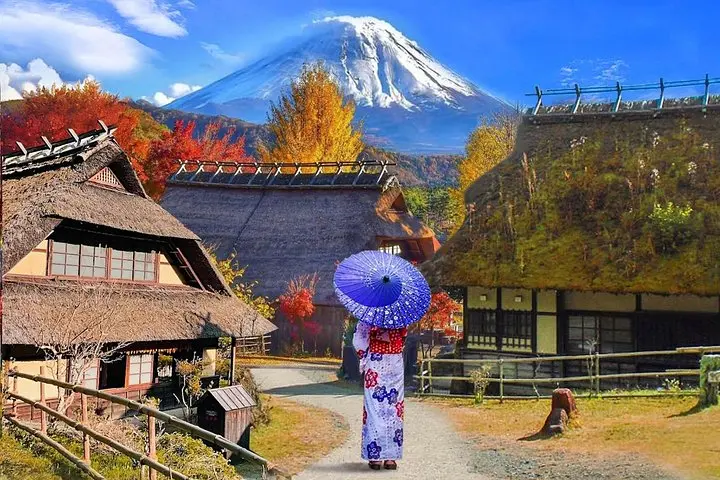
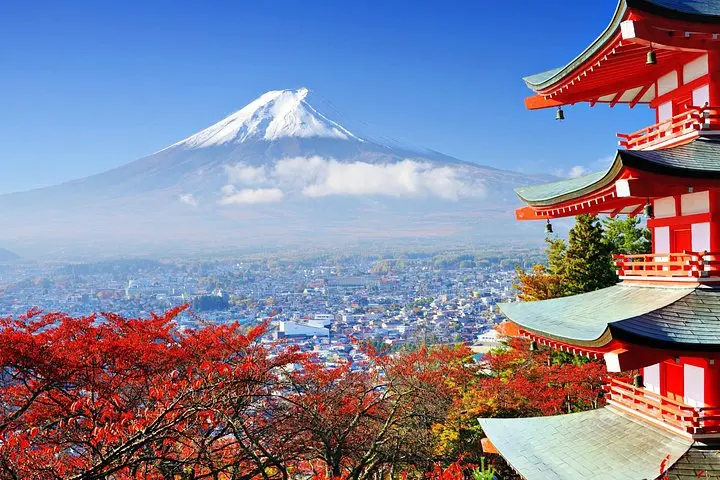
This full-day loop covers Fuji Five Lakes country and the cultural sites that grew up beneath the mountain’s shadow. Chureito Pagoda perches above a climb of 398 steps, a Meiji-era memorial that frames Fuji in a sharply composed, almost cinematic view. Oshino Hakkai’s eight spring ponds are fed by centuries of meltwater filtered through volcanic rock; locals prize the water for its clarity. Saiko Iyashi-no-Sato Nenba recreates Edo-period thatched roofs and craft stalls, while Oishi Park and Kawaguchiko Natural Living Center offer floral promenades and torii-framed perspectives.
Geologically, Mount Fuji is a young stratovolcano built from layered lava and ash; the lakes are depressions formed by lava flows and volcanic activity that redirected waterways. Culturally, the shrines and pagodas reflect long-standing ties between worship, mountain reverence, and seasonal pilgrimage.
Practical notes: the tour runs about 10 hours with moderate walking and one steep stair climb—expect 398 steps at Chureito. Wear supportive shoes, bring a refillable water bottle, and layer for fast-changing mountain sun and wind. Peak visibility is often early morning; late spring (cherry blossom) and autumn bring the most dramatic colors. Plan for photo stops and modest admission fees at specialty sites.
The tour is approximately 10 hours long; exact return times depend on traffic but expect to be back in central Tokyo in the evening.
Visitors who wish to see the iconic viewpoint must climb the 398 steps; there are lower viewpoints and alternatives for those who prefer not to climb.
Admissions noted in the itinerary list are included where specified; meals are generally not included—bring cash or plan to purchase food at stops.
Visibility depends on weather; the operator will still visit scheduled sites but if Fuji is obscured there’s no guaranteed refund—consider booking on a clear-weather day in shoulder seasons.
F Trip operates guided outdoor trips and adventures with an emphasis on safety, stewardship, and memorable experiences.
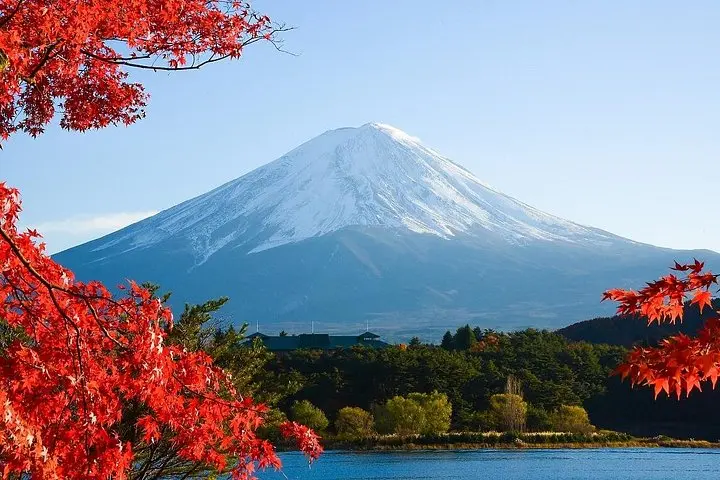
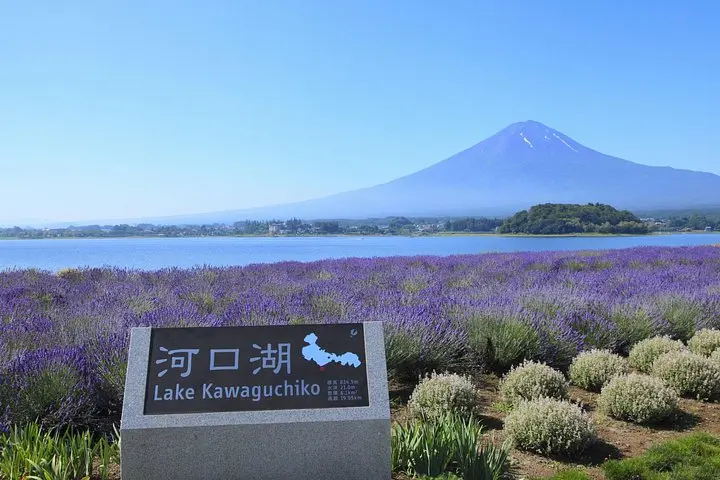
You step off the coach at a lakeshore and the mountain dominates the horizon—Fuji pushes itself skyward, its snow cap daring the clouds to move. The air here smells of pine and cold water; photographers and quiet walkers spread out along Lake Kawaguchi’s shore as guides marshal the group toward the next viewpoint.
You step off the coach at a lakeshore and the mountain dominates the horizon—Fuji pushes itself skyward, its snow cap daring the clouds to move. The air here smells of pine and cold water; photographers and quiet walkers spread out along Lake Kawaguchi’s shore as guides marshal the group toward the next viewpoint.
This full-day loop covers Fuji Five Lakes country and the cultural sites that grew up beneath the mountain’s shadow. Chureito Pagoda perches above a climb of 398 steps, a Meiji-era memorial that frames Fuji in a sharply composed, almost cinematic view. Oshino Hakkai’s eight spring ponds are fed by centuries of meltwater filtered through volcanic rock; locals prize the water for its clarity. Saiko Iyashi-no-Sato Nenba recreates Edo-period thatched roofs and craft stalls, while Oishi Park and Kawaguchiko Natural Living Center offer floral promenades and torii-framed perspectives.
Geologically, Mount Fuji is a young stratovolcano built from layered lava and ash; the lakes are depressions formed by lava flows and volcanic activity that redirected waterways. Culturally, the shrines and pagodas reflect long-standing ties between worship, mountain reverence, and seasonal pilgrimage.
Practical notes: the tour runs about 10 hours with moderate walking and one steep stair climb—expect 398 steps at Chureito. Wear supportive shoes, bring a refillable water bottle, and layer for fast-changing mountain sun and wind. Peak visibility is often early morning; late spring (cherry blossom) and autumn bring the most dramatic colors. Plan for photo stops and modest admission fees at specialty sites.