THE ADVENTURE COLLECTIVE® · Independent discovery and booking for outdoor travel

Spend a day exploring Hakone’s volcanic landscapes and lakeside shrines: cruise Lake Ashi, ride the Hakone Ropeway over Owakudani’s vents, and photograph Mount Fuji from iconic viewpoints. Expect easy walking, variable visibility, and a full schedule.
Spend a day exploring Hakone’s volcanic landscapes and lakeside shrines: cruise Lake Ashi, ride the Hakone Ropeway over Owakudani’s vents, and photograph Mount Fuji from iconic viewpoints. Expect easy walking, variable visibility, and a full schedule.
A mist-softened morning wraps around Tokyo as the coach slides west toward Hakone; in the distance Mount Fuji looms like an engine of the landscape, patient and vast. Disembarking at Hakone Shrine, the vermilion torii rises from Lake Ashi and pulls your eyes across glassy water toward the mountain. Later, the pirate ship creaks and turns, the wake opening a frame for Fuji’s slopes, while the ropeway carries you over steaming fissures toward Owakudani’s sulfurous plumes.
Verified experiences and guided adventures in the surrounding area.
Operated by Hotel Takitei · Hakone, Kanagawa
A mist-softened morning wraps around Tokyo as the coach slides west toward Hakone; in the distance Mount Fuji looms like an engine of the landscape, patient and vast. Disembarking at Hakone Shrine, the vermilion torii rises from Lake Ashi and pulls your eyes across glassy water toward the mountain. Later, the pirate ship creaks and turns, the wake opening a frame for Fuji’s slopes, while the ropeway carries you over steaming fissures toward Owakudani’s sulfurous plumes.
This corridor has been shaped by volcanic force and centuries of pilgrimage — Hakone Shrine dates to the Nara period (757 AD) and Oshino Hakkai’s ponds are fed by snowmelt filtered through Mount Fuji’s porous lava. Geology is on full display in Owakudani, where fumaroles and mineral-rich springs still alter rock and air. Culturally, the area combines Shinto ritual, Edo-era travel routes and modern tourism, from onsen towns to lakeside photo spots.
Practical notes: the full-day itinerary runs about 10 hours with minimal strenuous hiking but steady walking between viewpoints. Bring cash for small vendors and the pirate-ship ticket (often not included), and expect variable visibility — Fuji can hide behind clouds. The ropeway may close in high winds or volcanic alerts; operators will advise on refunds for ropeway tickets if suspended. Time your visit early in the week or shoulder season to reduce crowds, wear layered clothing for temperature swings on the ropeway, and carry a compact waterproof — Hakone’s weather can change fast. This loop rewards patient travelers with dramatic geology, ritual sites, and postcard views of one of Japan’s most recognized peaks.
No—visibility depends on weather and season; mornings in cooler months often offer the clearest views, but visibility cannot be guaranteed.
Typically the pirate-ship ticket is not included and requires a small additional fee paid on-site; bring cash to purchase it.
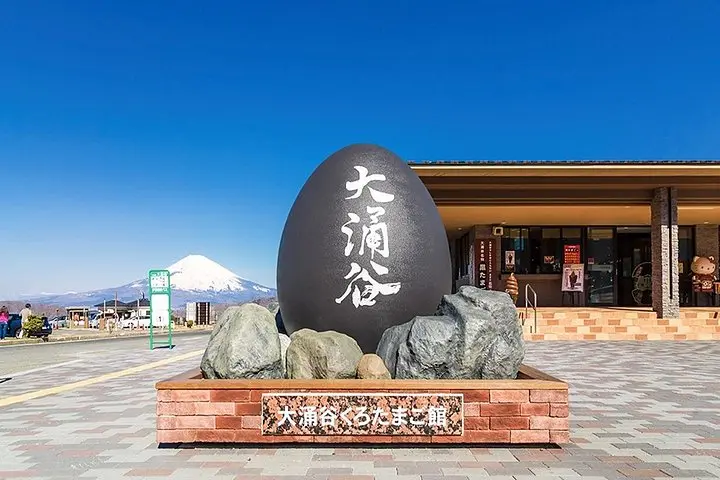
Yes, the ropeway stops at Owakudani where you can walk designated trails and view fumaroles, though access may be limited if volcanic activity increases.
The tour is rated easy and suitable for most, but not recommended for pregnant travelers or those with serious cardiovascular conditions; infants must sit on laps.
Hotel Takitei operates guided outdoor trips and adventures with an emphasis on safety, stewardship, and memorable experiences.
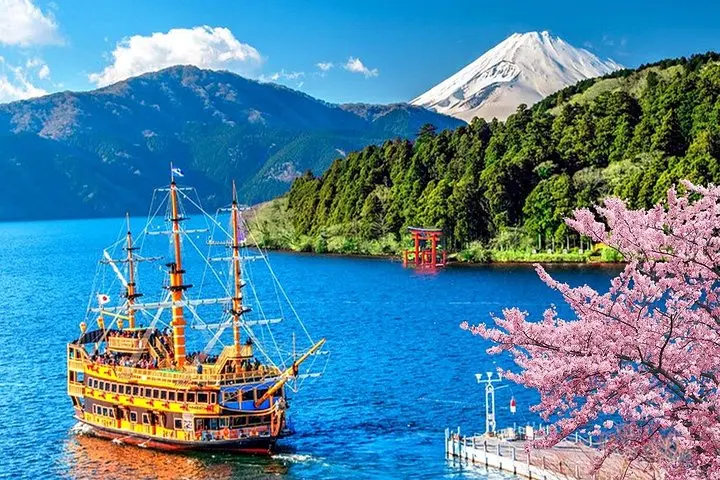
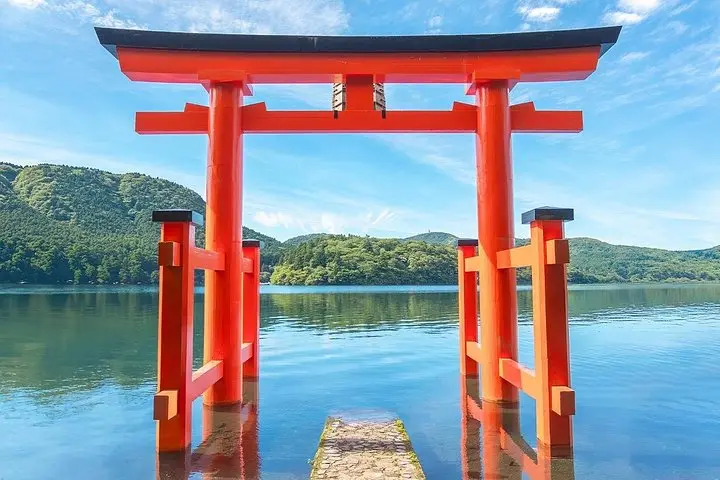
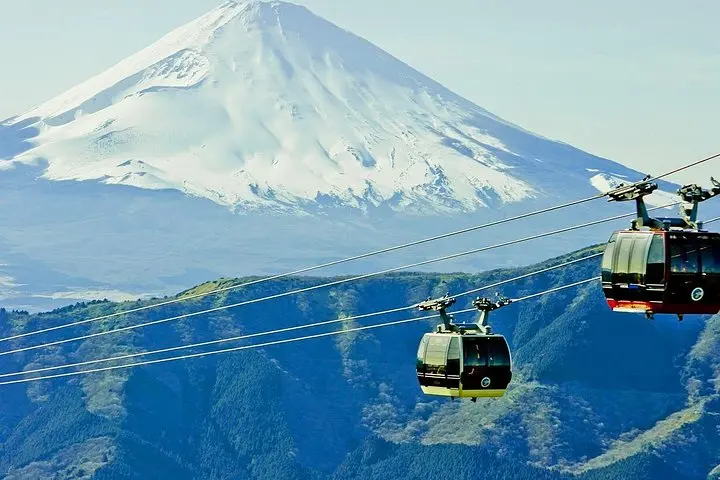
A mist-softened morning wraps around Tokyo as the coach slides west toward Hakone; in the distance Mount Fuji looms like an engine of the landscape, patient and vast. Disembarking at Hakone Shrine, the vermilion torii rises from Lake Ashi and pulls your eyes across glassy water toward the mountain. Later, the pirate ship creaks and turns, the wake opening a frame for Fuji’s slopes, while the ropeway carries you over steaming fissures toward Owakudani’s sulfurous plumes.
A mist-softened morning wraps around Tokyo as the coach slides west toward Hakone; in the distance Mount Fuji looms like an engine of the landscape, patient and vast. Disembarking at Hakone Shrine, the vermilion torii rises from Lake Ashi and pulls your eyes across glassy water toward the mountain. Later, the pirate ship creaks and turns, the wake opening a frame for Fuji’s slopes, while the ropeway carries you over steaming fissures toward Owakudani’s sulfurous plumes.
This corridor has been shaped by volcanic force and centuries of pilgrimage — Hakone Shrine dates to the Nara period (757 AD) and Oshino Hakkai’s ponds are fed by snowmelt filtered through Mount Fuji’s porous lava. Geology is on full display in Owakudani, where fumaroles and mineral-rich springs still alter rock and air. Culturally, the area combines Shinto ritual, Edo-era travel routes and modern tourism, from onsen towns to lakeside photo spots.
Practical notes: the full-day itinerary runs about 10 hours with minimal strenuous hiking but steady walking between viewpoints. Bring cash for small vendors and the pirate-ship ticket (often not included), and expect variable visibility — Fuji can hide behind clouds. The ropeway may close in high winds or volcanic alerts; operators will advise on refunds for ropeway tickets if suspended. Time your visit early in the week or shoulder season to reduce crowds, wear layered clothing for temperature swings on the ropeway, and carry a compact waterproof — Hakone’s weather can change fast. This loop rewards patient travelers with dramatic geology, ritual sites, and postcard views of one of Japan’s most recognized peaks.