THE ADVENTURE COLLECTIVE® · Independent discovery and booking for outdoor travel

A practical, driver-operated shuttle that brings Tokyo travelers to Lake Kawaguchi, the Fuji Subaru Line 5th Station, Arakurayama Sengen Park and Oshino Hakkai in a single day. This guide explains what you’ll see, seasonal highlights, and how to prepare for elevation, crowds and quick weather changes.
A practical, driver-operated shuttle that brings Tokyo travelers to Lake Kawaguchi, the Fuji Subaru Line 5th Station, Arakurayama Sengen Park and Oshino Hakkai in a single day. This guide explains what you’ll see, seasonal highlights, and how to prepare for elevation, crowds and quick weather changes.
By midmorning the van slips out of Tokyo traffic and the city’s glass and concrete begin to thin. Windows frame a changing panorama: rice paddies folding into foothills, then the outline of Mount Fuji growing larger, a patient giant that seems to measure your approach.
Verified experiences and guided adventures in the surrounding area.
Operated by GLOBAL GUIDE&TRANSPORT SERVICE Co.,LTD · Fujikawaguchiko, Yamanashi Prefecture
By midmorning the van slips out of Tokyo traffic and the city’s glass and concrete begin to thin. Windows frame a changing panorama: rice paddies folding into foothills, then the outline of Mount Fuji growing larger, a patient giant that seems to measure your approach.
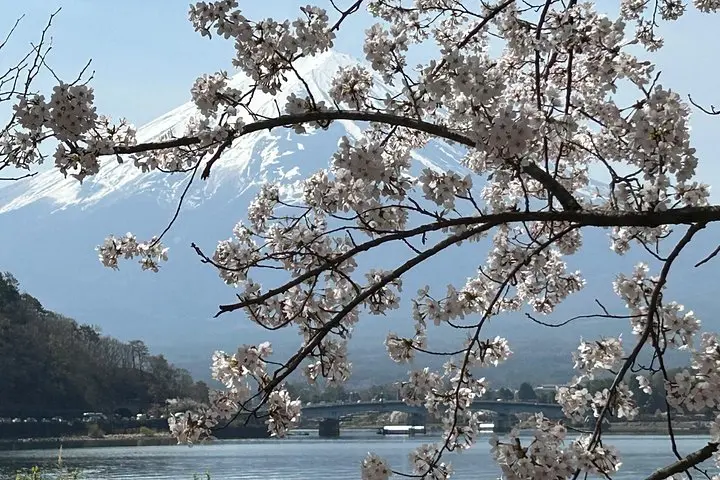
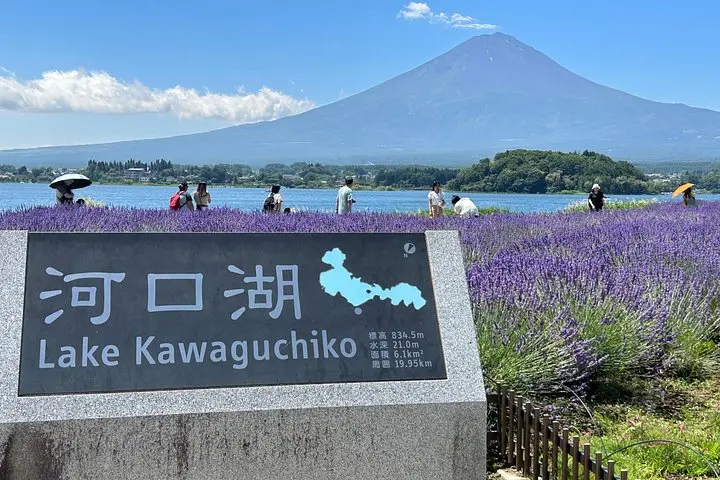
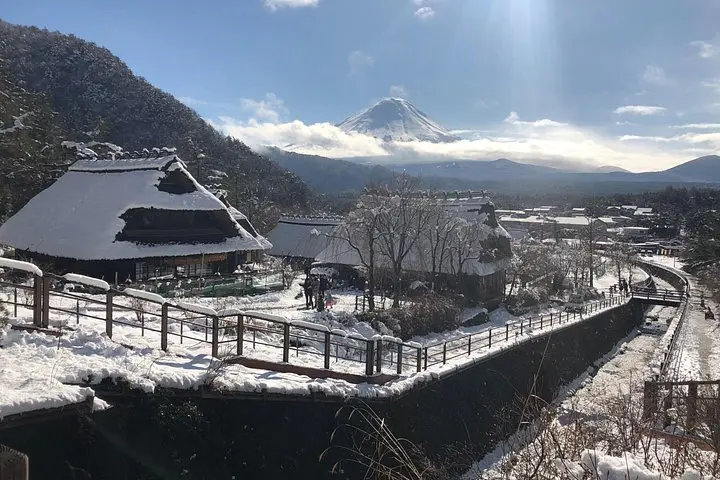
This full-day shuttle is a practical way to sample the Fuji foothills without the logistics of driving or a guided trail. Stops typically include Oishi Park on Lake Kawaguchi for seasonal flower displays, the Fuji Subaru Line 5th Station (around 2,300 m) for a high-altitude view, Arakurayama Sengen Park with its 398-step climb to a pagoda overlook, and the eight spring-fed ponds of Oshino Hakkai. Geologically, Fuji is a young stratovolcano whose repeated eruptions layered ash and lava into the conical form admired worldwide; culturally, the mountain has been sacred and a favorite subject in ukiyo-e prints for centuries.
Practicalities dominate the second half of the day: the route covers roughly 100–140 km from central Tokyo and takes about 8–9 hours round-trip depending on traffic. Expect short walks, stair climbs, and variable temperatures — the 5th Station will be notably colder than the lakeshore. Bring layered clothing, cash for small shops and temple donations, and a camera with zoom for distant Fuji compositions. The driver handles navigation and parking but speaks limited English; the itinerary can be flexible for photography or extra time at a favorite stop. Aim for early departures to beat crowds and clearer skies, and leave no trace at shrines and ponds to help preserve the fragile highland ecosystem.
Most itineraries include a stop at a local restaurant or food stalls; bringing snacks is fine if you prefer specific dietary needs or to save time.
Typical stops are 40–60 minutes each, with flexibility depending on traffic and group interest — the full tour runs about 8–9 hours.
Drivers usually have conversational English but are not fluent; they are experienced with routes and safety and can assist with basic directions and timing.
The 5th Station sits around 2,300 m where mild shortness of breath is possible for some; stay hydrated, avoid sudden exertion, and inform the operator of health concerns.
GLOBAL GUIDE&TRANSPORT SERVICE Co.,LTD operates guided outdoor trips and adventures with an emphasis on safety, stewardship, and memorable experiences.
By midmorning the van slips out of Tokyo traffic and the city’s glass and concrete begin to thin. Windows frame a changing panorama: rice paddies folding into foothills, then the outline of Mount Fuji growing larger, a patient giant that seems to measure your approach.
By midmorning the van slips out of Tokyo traffic and the city’s glass and concrete begin to thin. Windows frame a changing panorama: rice paddies folding into foothills, then the outline of Mount Fuji growing larger, a patient giant that seems to measure your approach.
This full-day shuttle is a practical way to sample the Fuji foothills without the logistics of driving or a guided trail. Stops typically include Oishi Park on Lake Kawaguchi for seasonal flower displays, the Fuji Subaru Line 5th Station (around 2,300 m) for a high-altitude view, Arakurayama Sengen Park with its 398-step climb to a pagoda overlook, and the eight spring-fed ponds of Oshino Hakkai. Geologically, Fuji is a young stratovolcano whose repeated eruptions layered ash and lava into the conical form admired worldwide; culturally, the mountain has been sacred and a favorite subject in ukiyo-e prints for centuries.
Practicalities dominate the second half of the day: the route covers roughly 100–140 km from central Tokyo and takes about 8–9 hours round-trip depending on traffic. Expect short walks, stair climbs, and variable temperatures — the 5th Station will be notably colder than the lakeshore. Bring layered clothing, cash for small shops and temple donations, and a camera with zoom for distant Fuji compositions. The driver handles navigation and parking but speaks limited English; the itinerary can be flexible for photography or extra time at a favorite stop. Aim for early departures to beat crowds and clearer skies, and leave no trace at shrines and ponds to help preserve the fragile highland ecosystem.