THE ADVENTURE COLLECTIVE® · Independent discovery and booking for outdoor travel

Spend a full day exploring Mount Vesuvius’s crater and the ruined Roman towns of Pompeii and Herculaneum on a private guided tour from Naples. Expect a short crater hike, guided ticket assistance, and two-hour visits at each archaeological site.
Spend a full day exploring Mount Vesuvius’s crater and the ruined Roman towns of Pompeii and Herculaneum on a private guided tour from Naples. Expect a short crater hike, guided ticket assistance, and two-hour visits at each archaeological site.
The van eases out of Naples with a driver-guide holding your name on a sign; the city’s hum falls away and the profile of Vesuvius grows, a dark ridge above the bay that seems to breathe smoke even on calm days.
Verified experiences and guided adventures in the surrounding area.
Operated by SeeAmalfiCoast Official (R) /Via SeeAmalfiCoast · Naples, Campania
The van eases out of Naples with a driver-guide holding your name on a sign; the city’s hum falls away and the profile of Vesuvius grows, a dark ridge above the bay that seems to breathe smoke even on calm days.
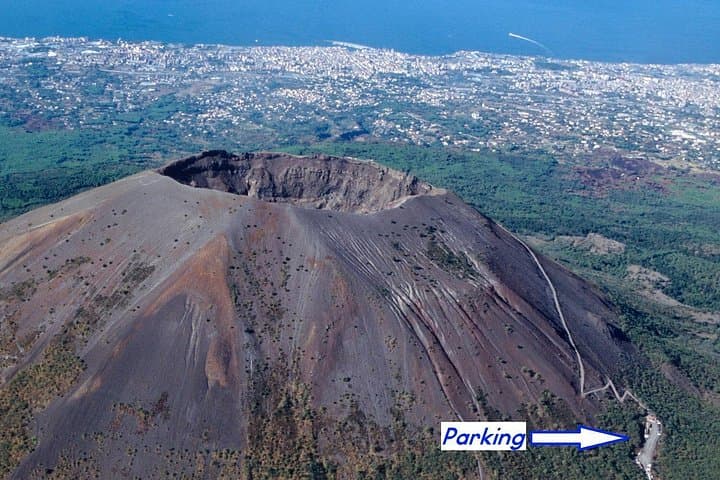
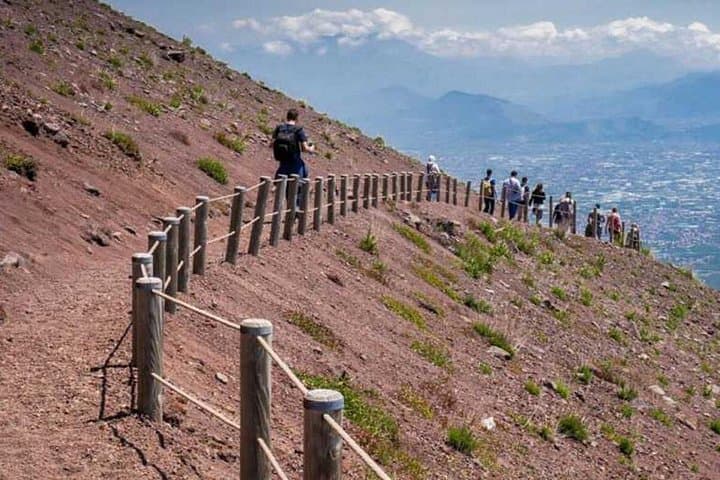
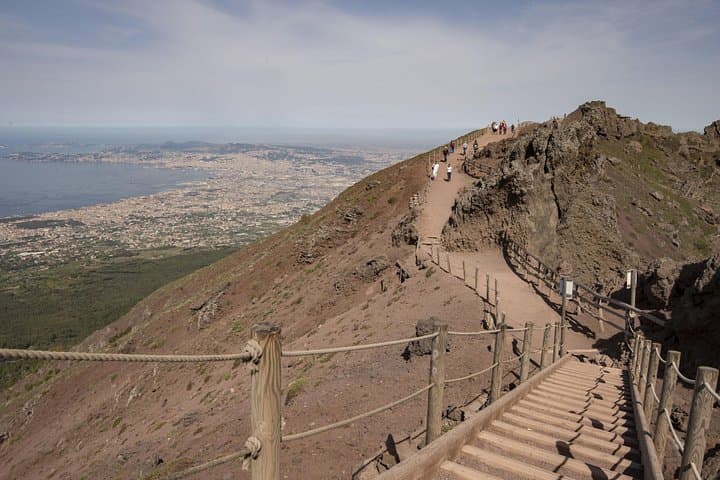
On arrival at the vulcan’s parking area, a short trail climbs to the crater rim—the volcanic breath pushes at your jacket, and the pomice underfoot crunches like old snow. From the top, the Gulf of Naples stretches, and the ash-scarred slopes recall the event that shaped them: in AD 79 Vesuvius buried Pompeii and Herculaneum under pumice and pyroclastic flows, preserving streets, frescoes and wooden beams in an almost forensic silence.
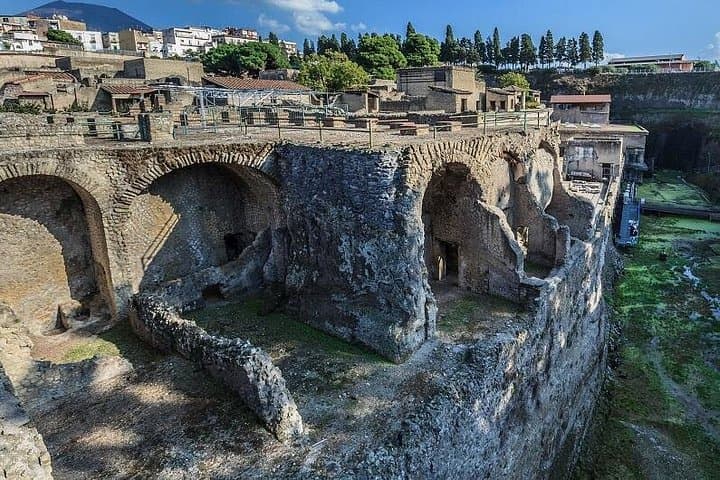
Pompeii’s grid of streets and public baths tells the Roman town story; Herculaneum’s deeper burial kept organic materials and upper-floor woodwork unusually intact. Geologically, Vesuvius is a stratovolcano—steep, episodic, and capable of explosive eruptions—its slopes a mosaic of lava flows, fumaroles and hardy Mediterranean scrub.
Practically, this private 8-hour loop is logistics-driven: expect roughly 90 minutes at Vesuvius, two hours each at Pompeii and Herculaneum, plus driving time. Comfortable walking shoes and sun protection are non-negotiable; the crater trail is exposed and loose underfoot. Buy or have assistance purchasing site tickets early to avoid delays. The driver can recommend lunch stops and will adapt the schedule for traffic, but the order may change for safety or closures. Bring water, a light layer, and patience—archaeology moves slower than itineraries, and the sites reward a steady pace.
No—admission is not included; the driver can assist with purchasing tickets on the day but plan for separate entry fees.
The vehicle and some transport options are wheelchair accessible, but the archaeological sites have uneven surfaces and restricted areas—full accessibility is limited.
Yes, the driver will discuss lunch options at the start and can recommend or make reservations, but the schedule is time-sensitive.
Expect up to 90 minutes on the Vesuvius crater trail and roughly two hours of mixed walking at each archaeological site, with standing and uneven floors.
SeeAmalfiCoast Official (R) /Via SeeAmalfiCoast operates guided outdoor trips and adventures with an emphasis on safety, stewardship, and memorable experiences.
The van eases out of Naples with a driver-guide holding your name on a sign; the city’s hum falls away and the profile of Vesuvius grows, a dark ridge above the bay that seems to breathe smoke even on calm days.
The van eases out of Naples with a driver-guide holding your name on a sign; the city’s hum falls away and the profile of Vesuvius grows, a dark ridge above the bay that seems to breathe smoke even on calm days.
On arrival at the vulcan’s parking area, a short trail climbs to the crater rim—the volcanic breath pushes at your jacket, and the pomice underfoot crunches like old snow. From the top, the Gulf of Naples stretches, and the ash-scarred slopes recall the event that shaped them: in AD 79 Vesuvius buried Pompeii and Herculaneum under pumice and pyroclastic flows, preserving streets, frescoes and wooden beams in an almost forensic silence.
Pompeii’s grid of streets and public baths tells the Roman town story; Herculaneum’s deeper burial kept organic materials and upper-floor woodwork unusually intact. Geologically, Vesuvius is a stratovolcano—steep, episodic, and capable of explosive eruptions—its slopes a mosaic of lava flows, fumaroles and hardy Mediterranean scrub.
Practically, this private 8-hour loop is logistics-driven: expect roughly 90 minutes at Vesuvius, two hours each at Pompeii and Herculaneum, plus driving time. Comfortable walking shoes and sun protection are non-negotiable; the crater trail is exposed and loose underfoot. Buy or have assistance purchasing site tickets early to avoid delays. The driver can recommend lunch stops and will adapt the schedule for traffic, but the order may change for safety or closures. Bring water, a light layer, and patience—archaeology moves slower than itineraries, and the sites reward a steady pace.