THE ADVENTURE COLLECTIVE® · Independent discovery and booking for outdoor travel

Walk Muong Hoa Valley from Y Linh Ho to Lao Chai and Ta Van on a full-day guided trek—rice terraces, river crossings, and close encounters with Black H’mong village life. Practical guidance and cultural insights help you plan a steady, rewarding day on this classic Sapa route.
Walk Muong Hoa Valley from Y Linh Ho to Lao Chai and Ta Van on a full-day guided trek—rice terraces, river crossings, and close encounters with Black H’mong village life. Practical guidance and cultural insights help you plan a steady, rewarding day on this classic Sapa route.
A damp morning light peels back the low clouds over Muong Hoa Valley as you step off the lane and into terraces that stair-step down the mountain.
Verified experiences and guided adventures in the surrounding area.
Operated by Charming Vietnam Travel · Sapa, Lào Cai
A damp morning light peels back the low clouds over Muong Hoa Valley as you step off the lane and into terraces that stair-step down the mountain.
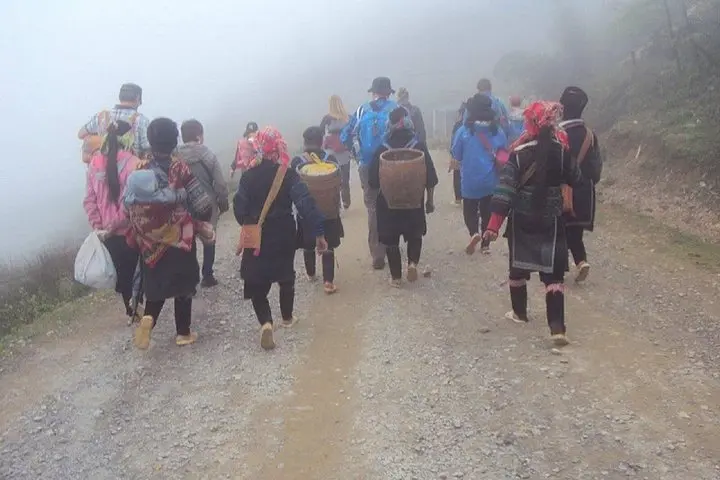
The trail threads through rice paddies, crosses a lively stream that seems to dare you with its current, and slips into small hamlets where children run to watch newcomers. Lao Chai and Ta Van sit along the valley’s spine; their timber homes and indigo-clad Black H’mong residents give the landscape its human scale.
Geologically the Hoang Lien Son range here is young and steep—granite ridges cut by monsoon runoff—so trails rise and fall on hard-packed switchbacks and muddy paths after rain. Historically this corridor has been a trade and cultural link between upland ethnic groups and lowland markets; you’ll see traditional weaving, simple stilt houses, and terraced agriculture that’s been shaped over generations.
Expect a relaxed but steady day: about 5–6 hours of walking on mixed terrain, with several short uphill pushes and river crossings that can be slick. A local English-speaking guide interprets customs and points out agricultural techniques; lunch and bottled water are typically included.
Practical notes: start early to avoid midday heat and afternoon showers; bring waterproof shoes and a light rain layer. Respect private yards—ask before photographing people—and carry cash for small purchases or tips. The path rewards steady pacing: pause on a ridge to watch clouds unroll across the valley and you’ll see why this route remains one of Sapa’s most accessible, culturally rich treks.
The full-day route typically takes about 5–6 hours on mixed terrain; it’s moderate—suitable for most walkers who can handle uneven trails and several short climbs.
Yes; tours include an English-speaking guide who explains local culture and trail details.
Lunch and bottled water are normally included; let the operator know dietary requirements when booking for vegetarian options.
Children can join but must be accompanied by an adult; the operator notes it’s not recommended for infants or travelers with certain health conditions.
Charming Vietnam Travel operates guided outdoor trips and adventures with an emphasis on safety, stewardship, and memorable experiences.
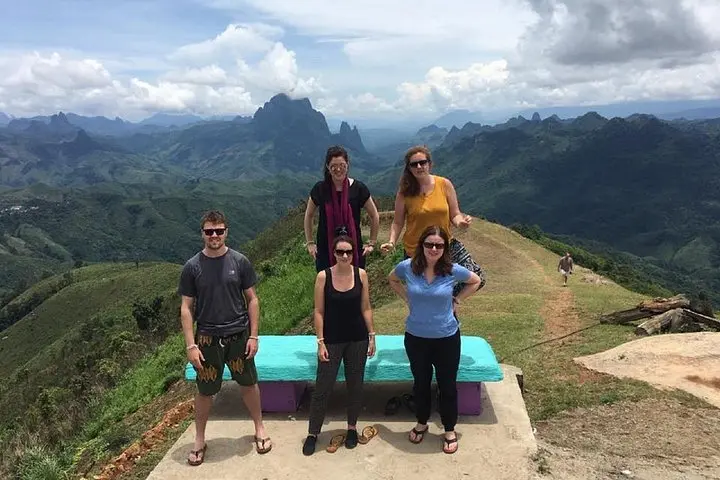
A damp morning light peels back the low clouds over Muong Hoa Valley as you step off the lane and into terraces that stair-step down the mountain.
A damp morning light peels back the low clouds over Muong Hoa Valley as you step off the lane and into terraces that stair-step down the mountain.
The trail threads through rice paddies, crosses a lively stream that seems to dare you with its current, and slips into small hamlets where children run to watch newcomers. Lao Chai and Ta Van sit along the valley’s spine; their timber homes and indigo-clad Black H’mong residents give the landscape its human scale.
Geologically the Hoang Lien Son range here is young and steep—granite ridges cut by monsoon runoff—so trails rise and fall on hard-packed switchbacks and muddy paths after rain. Historically this corridor has been a trade and cultural link between upland ethnic groups and lowland markets; you’ll see traditional weaving, simple stilt houses, and terraced agriculture that’s been shaped over generations.
Expect a relaxed but steady day: about 5–6 hours of walking on mixed terrain, with several short uphill pushes and river crossings that can be slick. A local English-speaking guide interprets customs and points out agricultural techniques; lunch and bottled water are typically included.
Practical notes: start early to avoid midday heat and afternoon showers; bring waterproof shoes and a light rain layer. Respect private yards—ask before photographing people—and carry cash for small purchases or tips. The path rewards steady pacing: pause on a ridge to watch clouds unroll across the valley and you’ll see why this route remains one of Sapa’s most accessible, culturally rich treks.