THE ADVENTURE COLLECTIVE® · Independent discovery and booking for outdoor travel

Spend a private day in Nagano: follow a forest trail to see bathing snow monkeys, visit the ancient Zenko-ji temple, explore Obuse’s art and sake, and relax in an onsen. This full-day route pairs wildlife viewing with cultural stops and practical tips for a smooth visit.
Spend a private day in Nagano: follow a forest trail to see bathing snow monkeys, visit the ancient Zenko-ji temple, explore Obuse’s art and sake, and relax in an onsen. This full-day route pairs wildlife viewing with cultural stops and practical tips for a smooth visit.
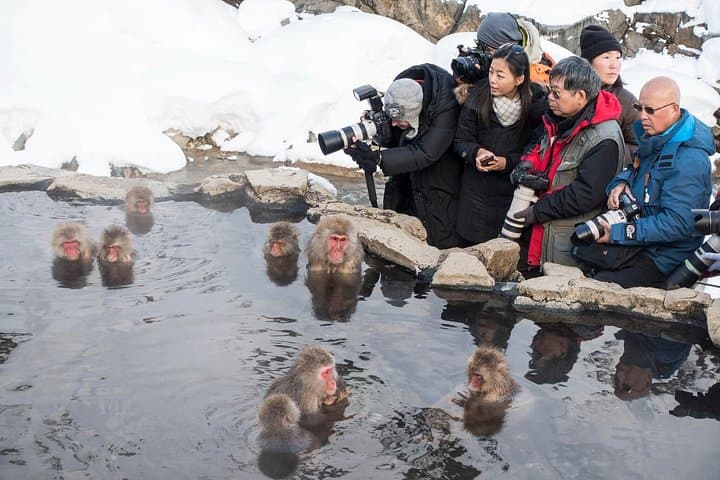
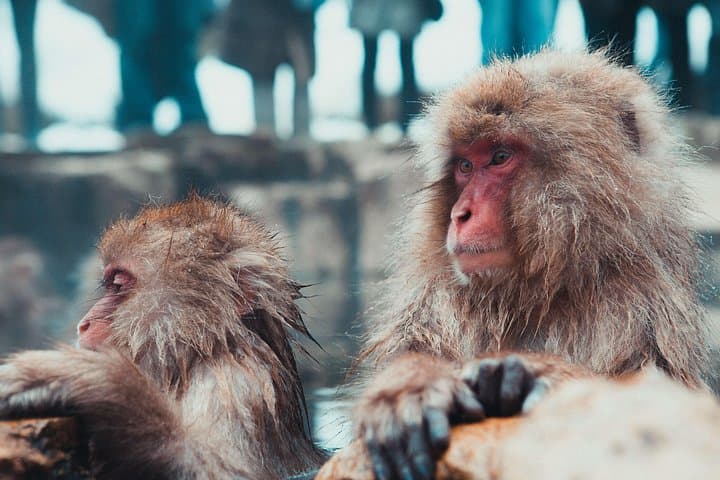
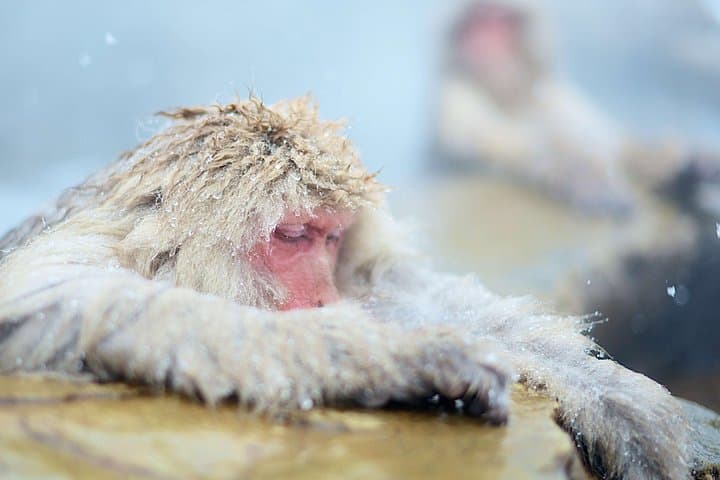
A mist-thin morning hangs over Nagano as you step into a private vehicle or onto the local train, the mountains sharpening as the city slips behind you. The forest trail to Jigokudani leads you under firs and beech; steam from the valley’s hot springs rises like a living thing, coaxing wild macaques into the warm water. You watch them from a respectful distance as they groom and bathe, their movements at once casual and oddly purposeful.
Verified experiences and guided adventures in the surrounding area.
Operated by Japan Awaits · Nagano, Nagano Prefecture
A mist-thin morning hangs over Nagano as you step into a private vehicle or onto the local train, the mountains sharpening as the city slips behind you. The forest trail to Jigokudani leads you under firs and beech; steam from the valley’s hot springs rises like a living thing, coaxing wild macaques into the warm water. You watch them from a respectful distance as they groom and bathe, their movements at once casual and oddly purposeful.
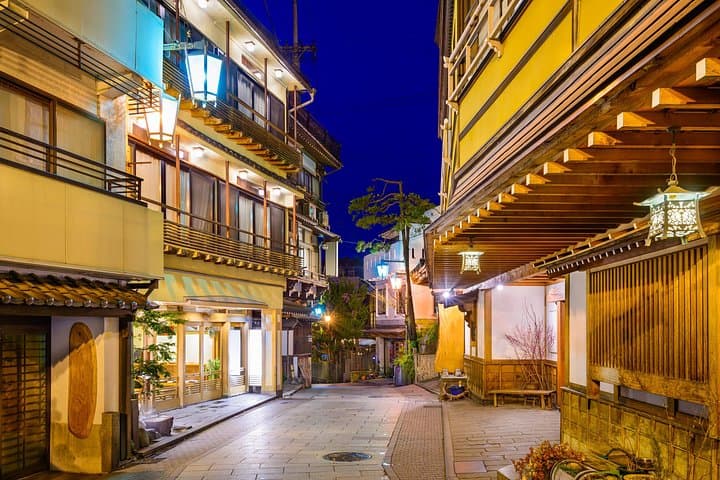
Nagano grew around Zenko-ji, a 7th-century Buddhist temple that shaped the city’s layout and devotional life. The surrounding valley geology — volcanic heat rising through fractured rock — creates the onsens that have drawn people for centuries. Obuse, a short drive away, preserves Edo-period streets and the Hokusai exhibits that celebrate a Japan of ink and precise observation. Local sake brewers and onsen operators carry techniques passed through generations.
Practically, expect a full eight-hour day: a forest approach of roughly 1.6 km to the monkey viewing area (one-way) over a well-maintained but sometimes snowy trail in winter, a 30–45 minute visit at Zenko-ji, and time in Obuse for museum stops and tasting. Bring layered clothing, comfortable waterproof footwear, and cash or an IC card for small purchases. If you opt for an onsen, follow Japanese bathing etiquette: wash first and towel usage rules apply. Start early to avoid peak crowds at the monkey park and allow the guide flexibility—wildlife is, by nature, unpredictable.
No guarantee: macaques are wild and their behavior depends on conditions; winter gives the highest chance of seeing bathing in hot springs.
Yes—hotel pickup and drop-off are available for selected hotels within central Nagano or pickup at Nagano Station for public transport option.
Some options include train tickets or private vehicle; check your booking details—admission fees to attractions are usually not included unless specified.
Many stops are wheelchair accessible, but the forest approach to Jigokudani includes uneven trail sections and is not fully accessible.
Japan Awaits operates guided outdoor trips and adventures with an emphasis on safety, stewardship, and memorable experiences.
A mist-thin morning hangs over Nagano as you step into a private vehicle or onto the local train, the mountains sharpening as the city slips behind you. The forest trail to Jigokudani leads you under firs and beech; steam from the valley’s hot springs rises like a living thing, coaxing wild macaques into the warm water. You watch them from a respectful distance as they groom and bathe, their movements at once casual and oddly purposeful.
A mist-thin morning hangs over Nagano as you step into a private vehicle or onto the local train, the mountains sharpening as the city slips behind you. The forest trail to Jigokudani leads you under firs and beech; steam from the valley’s hot springs rises like a living thing, coaxing wild macaques into the warm water. You watch them from a respectful distance as they groom and bathe, their movements at once casual and oddly purposeful.
Nagano grew around Zenko-ji, a 7th-century Buddhist temple that shaped the city’s layout and devotional life. The surrounding valley geology — volcanic heat rising through fractured rock — creates the onsens that have drawn people for centuries. Obuse, a short drive away, preserves Edo-period streets and the Hokusai exhibits that celebrate a Japan of ink and precise observation. Local sake brewers and onsen operators carry techniques passed through generations.
Practically, expect a full eight-hour day: a forest approach of roughly 1.6 km to the monkey viewing area (one-way) over a well-maintained but sometimes snowy trail in winter, a 30–45 minute visit at Zenko-ji, and time in Obuse for museum stops and tasting. Bring layered clothing, comfortable waterproof footwear, and cash or an IC card for small purchases. If you opt for an onsen, follow Japanese bathing etiquette: wash first and towel usage rules apply. Start early to avoid peak crowds at the monkey park and allow the guide flexibility—wildlife is, by nature, unpredictable.